Modern homebuyers value thoughtful design as much as location. Discover seven home design trends that are influencing property values, buyer demand, and resale prices in today's competitive housing market.
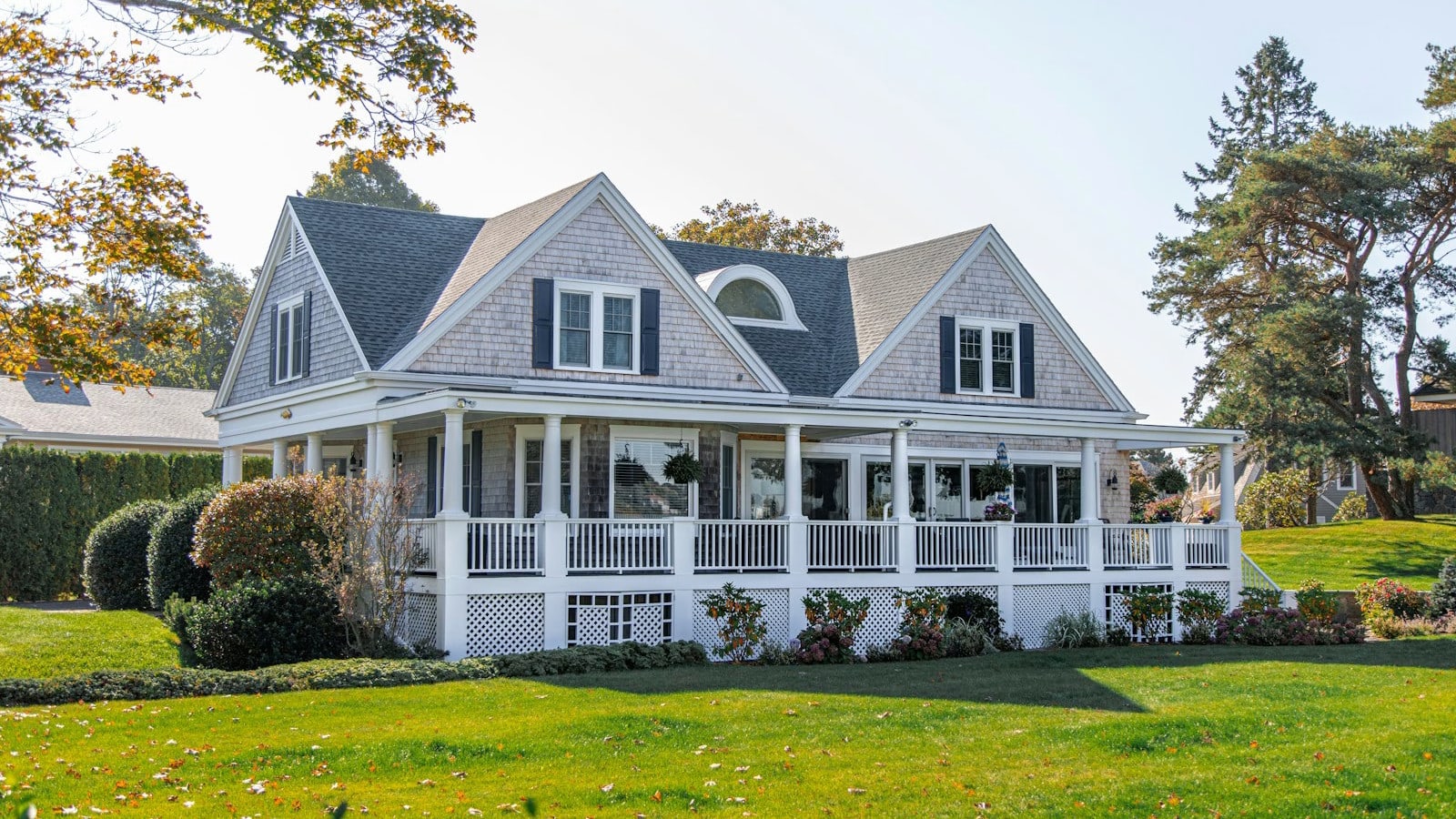
Design has become one of the strongest forces behind property values in modern neighborhoods. Buyers today walk through hundreds of homes online before they ever attend a showing, and that habit has trained them to recognize exactly what a current, well-designed home looks like. When your property matches that picture, it attracts stronger offers. When it falls short, buyers notice within minutes and adjust their price accordingly.
This means design trends are no longer a decorating topic. They directly affect how fast a home sells and how much it sells for. So here are seven trends shaping property values right now, and what each one means for you as an owner, buyer, or seller.
The completely open floor plan dominated home design for two decades, but buyers have grown tired of its problems. Noise travels everywhere, privacy disappears, and the kitchen mess stays visible from every corner of the main floor.
The layout winning today keeps the openness while adding better separation between spaces. Buyers want a kitchen that connects to the living area, but they don't want every pot, pan, and dirty dish on display.
JR Girskis, President at Suburban Construction Inc, adds, “Homeowners still want open spaces, but they no longer want every room to feel like one large box. Partial walls, wider openings, and flexible layouts give families more privacy while keeping the home bright and connected. Those smaller design changes often deliver a better result than removing every wall.”
Homes designed this way feel modern, and that feeling translates into real offers. The good news for owners of older homes is that this trend costs less to follow than the last one did.
You don't need to demolish every wall on the main floor. Widening a doorway or opening half of a kitchen wall often creates the modern feel buyers want at a fraction of the structural cost. The home shows better, sells faster, and holds its value against newer construction nearby.
The way people work has changed, and homes have had to keep up. Many people now spend at least part of their week working from home. In one survey, 46.5% of women and 39% of men said they prefer fully remote work, while another 34.3% of women and 37% of men preferred a hybrid schedule.
That means most people want the flexibility to work from home at least some of the time.
Because of that, buyers expect a home to have a space where they can work comfortably. A separate room with a door, natural light, and enough space for a desk is often seen as a necessity.
If you're investing in real estate, this is something worth thinking about. The value isn't always in adding more square footage. It's often about making the space you already have more useful. A spare bedroom set up as a home office often attracts more buyers than the same room used for storage because people can immediately picture themselves living and working there.
According to Desmond Dorsey, Chief Marketing Officer at Bayside Home Improvement, “The projects that add the most value aren't always the biggest ones. Homeowners are getting better results by giving existing rooms a clear purpose instead of expanding the house. A well-designed home office is one of those upgrades because buyers see it as usable space from the moment they walk in.”
Buyers don't see a backyard as just extra land anymore. They see it as part of the home. A covered patio becomes another place to relax, an outdoor kitchen gives people space to cook and entertain, and even a simple seating area with a fire pit makes the home feel larger and more inviting.
The best outdoor spaces feel connected to the inside of the house. Large doors that open onto the patio, comfortable seating, good lighting, and enough shade make it easier to enjoy the space throughout the year instead of only during the summer.
That extra living space works best when it's built to handle the weather just as well as the rest of the home. Moisture, poor drainage, and water getting where it shouldn't can shorten the life of even the nicest outdoor upgrades if they're overlooked during planning.
In an interview, Savas Bozkurt, Owner of Royal Restoration DMV, said, “Outdoor living spaces add value when they're built to last, not just to look good. Proper drainage, water-resistant materials, and keeping moisture away from the home's structure all help prevent the kind of damage that often stays hidden until repairs become expensive. Buyers notice when an outdoor space feels solid and well cared for because it gives them more confidence in the condition of the entire property.”
For homeowners and investors, this is a smart upgrade. Creating a better outdoor living area usually costs much less than building an extension, but it often makes the home feel much larger to buyers. In neighborhoods where adding more indoor space isn't possible, making better use of the backyard remains one of the simplest ways to increase a property's appeal and value.
The kitchen remains the room that sells the house, but the winning look has changed. The all-white, gray-heavy showroom kitchen that defined the 2010s now feels dated to many buyers. Warmer finishes have taken their place, including natural wood tones, textured stone, a colored island, and hardware with more character.
Function has changed too. Buyers often value a walk-in pantry more than extra cabinets and prefer a large working island over a formal dining area. During showings, many people open drawers and cabinets because they want to see storage that has been planned with everyday use in mind.
Material choices play a bigger role than many homeowners realize. Tom Rockwell, CEO of Concrete Tools Direct, mentions, “A kitchen gets used every single day, so buyers pay attention to more than the color of the cabinets. Countertops, flooring, and other surfaces need to handle years of daily use without showing excessive wear. Lasting materials usually leave a stronger impression than expensive finishes that don't hold up over time.”
Getting the kitchen wrong has become expensive in both directions. A dated kitchen starts renovation math in every buyer's head. At the same time, overspending creates its own problem because a $150,000 kitchen rarely returns its full cost in a $400,000 neighborhood. The smarter approach is to match your neighborhood, choose durable materials, follow the warmer style buyers prefer today, and stop there.
Agents often describe listings as "light-filled" because buyers notice natural light right away. It's one of the first things people see in listing photos and one of the first details they mention during a showing. Homes that feel bright usually have an advantage over similar homes that feel darker.
Design trends have followed that preference. New homes often include larger windows, glass doors, and skylights to bring in more daylight. Renovations lean toward lighter paint colors that reflect natural light deeper into each room. Even the move toward fewer upper kitchen cabinets helps open up the space and lets more light travel through the home.
Natural light does most of the work during the day, but the feeling of a bright home shouldn't disappear after sunset. Jonathan Matha, CEO of Modern Chandelier, shares, “The best lighting doesn't compete with daylight, it picks up where daylight leaves off. Layered lighting, warm color temperatures, and fixtures placed in the right locations help a home feel open and comfortable at night instead of creating dark corners or harsh shadows. Buyers notice that feeling even if they can't immediately explain what's creating it.”
Plus, homeowners are investing more than ever in making their homes feel comfortable and inviting. The global home décor market is reached $1.15 trillion in 2026, and expected to reach #1.6 trillion in 2030.
Image Source: SwiftBeacon
And simple improvements like better natural light are among the easiest ways to make a home feel brighter, larger, and more welcoming
Buyers aren't just looking for a beautiful home anymore. They also want a home that's cheaper to run every month. Lower energy bills, lower maintenance costs, and better protection during power outages have become real selling points.
That helps explain why energy-efficient features are getting more attention. Good insulation, quality windows, modern heating and cooling systems, solar panels, and home battery systems are becoming more common. The demand is growing quickly too. U.S. home battery installations reached a new record in early 2026, continuing a strong upward trend from previous years.
Homes with these features can lower energy costs and provide backup power when the grid goes down.
Those long-term savings are becoming part of the buying decision. “More buyers are asking what a home will cost to own every month. Energy-efficient upgrades, lower utility bills, and dependable backup power make a property easier to live in over the long run. Buyers often place more value on those practical savings because they continue long after closing,” says Jared Vidales, CEO of WeBuyMobileHomesArizona.com.
These upgrades may not stand out as much as a new kitchen or luxury flooring, but they save homeowners money month after month. Buyers understand that, which is why many are willing to pay more for a home that's already energy efficient. Unlike many design trends, these improvements keep adding value because the savings continue year after year.
Smart home features have become part of everyday life, so many buyers expect to see them. Things like a smart doorbell, a thermostat you can control from your phone, and keyless entry make a home feel more modern and easier to live in. What buyers don't want is a house full of different gadgets that don't work well together.
These features can also increase a home's value. Real estate agents say homes with smart technology can sell for $5,000 to $10,000 more, and they often sell about 8.5 days faster than similar homes without those features.
Smart technology has expanded beyond the front door and into outdoor spaces as well. Frank Gorman, Owner & Founder of Safari Pool Service, mentions, “Homeowners are starting to expect the same convenience from outdoor features that they get inside the house. Pool equipment that can be monitored from a phone, automated cleaning schedules, and alerts for problems before they become expensive repairs all make ownership easier. Buyers appreciate technology that saves time and helps protect the home's larger investments.”
Buyers are looking at homes differently today. They want spaces that fit the way they live, whether that's working from home, spending time with family, lowering monthly bills, or using every room in a practical way. Homes that meet those needs are more likely to attract buyers and hold their value over time.
The good news is that you don't have to renovate the whole house. Small changes can make a big difference. Turning a spare room into a home office, bringing in more natural light, improving your outdoor space, or adding a few useful smart features can make a home much more appealing. The important thing is to understand what buyers value today and make improvements that match those expectations.
https://www.urbansplatter.com/2026/07/how-residential-design-trends-are-influencing-property-values-across-modern-neighborhoods/
Share This Post
Share it on Facebook or X, or send it through your device share sheet for Instagram.
More Door Guides
From the Doors Learning Center — Styles & Colors