Rot-resistant door sills and composite jambs help protect your entry door from moisture, rot, and long-term structural damage. Learn why these hidden components are an excellent investment for homeowners in the Quad Cities and throughout the Midwest.
Are Rot-Resistant Sills Worth It?
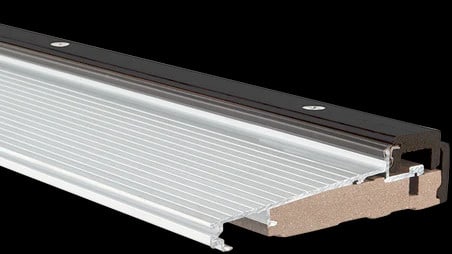
Absolutely. While homeowners often focus on the style, color, or decorative glass of a new front door, some of the most important components are hidden from view. One of those is the door sill—the structural base of your entry door system that helps support the threshold, directs water away from your home, and protects the bottom of the frame from moisture.
In the Quad Cities, where homes experience rain, snow, ice, humidity, and repeated freeze-thaw cycles, a rot-resistant sill can significantly improve the lifespan of an entry door system while reducing maintenance and future repair costs.
What Is an Entry Door Sill?
The sill is the structural component located beneath the threshold at the bottom of the door opening. It supports the entry system, helps shed water away from the home, and provides a stable foundation for the threshold and weather seal.
Because it sits closest to the ground, the sill is exposed to some of the harshest conditions your home experiences. Rain, melting snow, ice, standing water, and road salt all take a toll over time.
Why Traditional Wood Sills Can Fail
Wood has been used in entry door construction for generations, but when repeatedly exposed to moisture it can absorb water, swell, soften, and eventually begin to rot. Once decay starts, it often spreads into the surrounding jambs and framing if left untreated.
Rot beneath an entry door may not be immediately visible. Many homeowners first notice problems such as soft flooring near the entry, sticking doors, drafts, or water leaking inside during heavy storms.
The most expensive part of door rot usually isn't replacing the sill—it's repairing the hidden structural damage that moisture can cause over time.
The Benefits of Rot-Resistant Sills
Modern entry door systems often incorporate composite or engineered materials that resist moisture far better than traditional wood. These materials won't absorb water the same way wood does, helping maintain structural stability even after years of exposure to Midwest weather.
- Excellent resistance to moisture and decay.
- Longer service life.
- Reduced maintenance.
- Improved structural stability.
- Better support for the threshold and door frame.
- Greater protection against hidden water damage.
Composite Jambs Offer Added Protection
Many premium entry door systems pair rot-resistant sills with composite or rot-resistant jambs. Since the jambs are also exposed to rain, snow, lawn sprinklers, and moisture near the ground, upgrading both components provides even greater long-term durability.
Together, these materials help create a stronger entry system that is better equipped to withstand the demanding climate found throughout Iowa and Illinois.
Durability Goes Beyond the Door Slab
When shopping for a replacement entry door, it's easy to compare decorative glass, paint colors, or panel designs. However, the long-term durability of your investment depends on far more than the visible door itself.
Security, weather resistance, and years of reliable operation are largely determined by the quality of the frame, sill, jambs, threshold, hinges, and hardware working together as one complete system.
Questions Every Homeowner Should Ask
When comparing entry door systems, don't hesitate to ask what's behind the finished surface. Some of the most valuable upgrades are hidden inside the frame.
- Are composite or rot-resistant jambs included?
- Is the sill designed to resist long-term moisture damage?
- Are the deadbolt and latch reinforced?
- Are long structural screws used at the strike plate and hinges?
- Is the hardware designed specifically for this door system?
- Does the threshold include adjustable weather sealing?
- Is there a written workmanship warranty covering installation?
Professional Installation Protects Every Component
Even the most durable sill cannot compensate for poor installation. Professional installers carefully flash the opening, seal vulnerable areas, and ensure water is directed away from the home rather than trapped beneath the door.
Correct installation also keeps the frame square and level, helping the door seal properly while reducing unnecessary stress on the hinges, locks, and threshold.
Signs Your Existing Sill May Need Replacement
- Soft or spongy wood beneath the door.
- Visible rot or peeling paint near the threshold.
- Water entering during heavy rain.
- The door no longer closes evenly.
- Drafts around the bottom corners.
- Visible gaps between the threshold and the door.
- Moisture damage to nearby flooring or trim.
A Small Upgrade That Delivers Long-Term Value
Rot-resistant sills may not be the first feature homeowners notice, but they are one of the smartest investments in a replacement entry door. By protecting one of the most vulnerable areas of the opening, they help preserve the structural integrity of the entire entry system while reducing future maintenance and repair costs.
Combined with composite jambs, reinforced hardware, adjustable thresholds, premium weatherstripping, and professional installation, a rot-resistant sill contributes to an entry door that performs reliably for decades.
Premium Entry Door Installation in the Quad Cities
Since 1985, Suburban Construction has installed premium entry door systems for homeowners throughout Davenport, Bettendorf, Moline, Rock Island, and the surrounding Quad Cities. We believe lasting performance comes from the complete door system—not just the door panel itself.
When selecting a new front door, look beyond the showroom display. Ask about the sill, jamb construction, reinforced hardware, installation methods, and workmanship warranty. Those hidden details often determine how well your entry door protects your home for many years to come.
Share This Post
Share it on Facebook or X, or send it through your device share sheet for Instagram.
More Door Guides
From the Doors Learning Center — Cost & Pricing