Explore the best entry door glass styles for homes close to the street, including textured privacy glass, frosted glass, decorative designs, sidelights, and smaller upper glass panels.
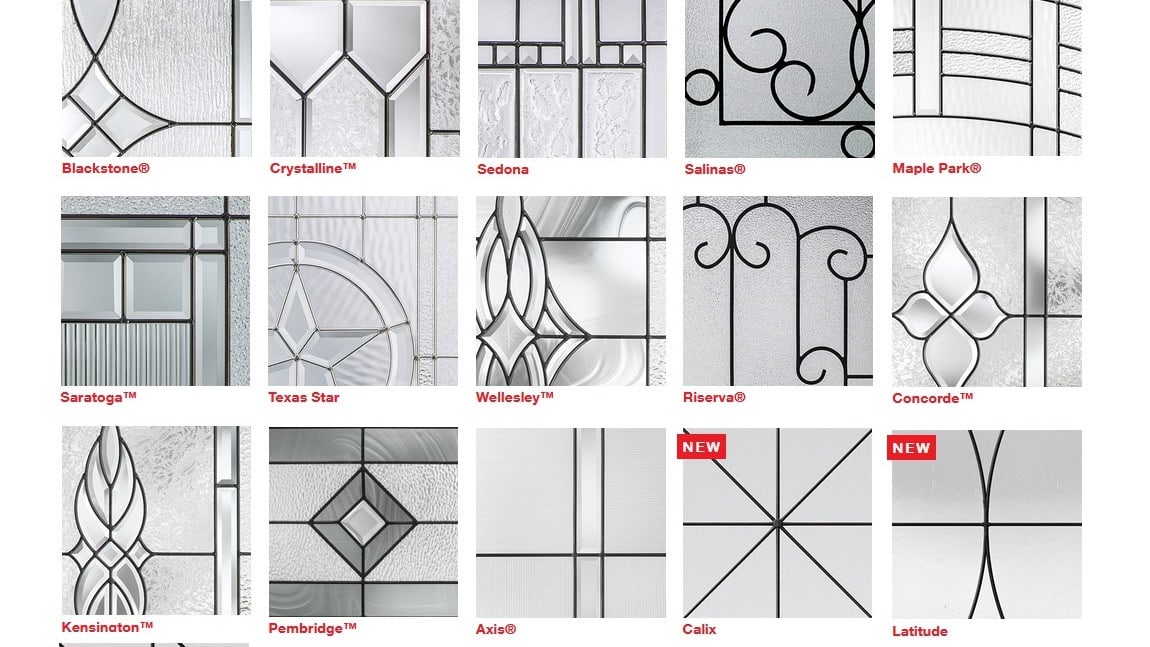
Entry Door Glass Design Guide
What Are the Best Glass Styles for Homes Close to the Street?
Homes located close to a sidewalk, street, or neighboring property need entry door glass that brings in natural light without making the front of the home feel exposed. The best choice usually balances privacy, daylight, security, architectural style, and long-term curb appeal rather than focusing on just one feature.
Why Door Glass Selection Matters Near the Street
Entry door glass has a major effect on how a home looks and feels. A large clear glass panel may brighten a dark foyer, but it can also allow pedestrians, delivery drivers, and passing traffic to see directly into the home.
For homes close to the street, the goal is usually to create a welcoming entrance while maintaining a comfortable level of privacy. Textured glass, decorative glass, smaller glass panels, and thoughtfully designed sidelights can provide natural light without creating the feeling that the front hallway is constantly on display.
A good entry door glass design should consider:
- How much natural light the entry needs
- How close the home is to the street or sidewalk
- What can be seen through the glass from outside
- The home's architectural style and age
- The size and proportion of the front elevation
- The desired level of security and visibility
- How the door coordinates with windows, siding, roofing, and trim
Textured Privacy Glass
Textured privacy glass is one of the most practical choices for a home located close to the street. The surface of the glass distorts the view while still allowing daylight to enter the home.
Depending on the pattern, textured glass can create anything from a lightly blurred view to a much stronger level of privacy. This makes it easier for homeowners to choose a style that fits both the appearance of the house and the amount of privacy they want.
Popular textured glass appearances include:
- Rain or water-pattern glass
- Chinchilla or softly rippled glass
- Granite-style textured glass
- Frosted or satin glass
- Reeded or linear-pattern glass
- Hammered or irregular decorative glass
Textured glass is especially useful when a front door faces a busy sidewalk, a shared driveway, or another house across a narrow street.
Decorative Privacy Glass
Decorative glass combines privacy with visual detail. These designs may include multiple textures, beveled pieces, geometric patterns, caming, or layered glass arrangements.
A decorative glass panel can help the door become a stronger architectural feature, particularly on traditional, Craftsman, Tudor, Colonial, or transitional-style homes. The pattern should complement the house rather than compete with it.
Homeowners should also consider how the glass will look from both outside and inside. A highly detailed design may look attractive from the street but could feel busy from the foyer if the entry already includes patterned flooring, wallpaper, or decorative trim.
Design principle:
The door should act as the visual anchor of the front elevation. The glass pattern should support the home's overall style instead of becoming the only feature people notice.
Frosted Glass for Stronger Privacy
Frosted glass is a good option for homeowners who want a clean, simple appearance with a higher degree of privacy. It allows light to pass through while significantly reducing direct visibility.
This style works especially well with modern, contemporary, and transitional homes. Frosted glass can also be a practical choice when the door faces a bus stop, school route, apartment entrance, or heavily traveled sidewalk.
Because frosted glass has a quieter appearance than ornate decorative glass, it can pair well with bold door colors, modern hardware, and simple exterior trim.
Carefully Sized Sidelights
Sidelights can brighten an entry and make the doorway feel wider, but full-height clear sidelights may reduce privacy when a home sits close to the street.
Homeowners may be more comfortable with textured sidelights, decorative privacy glass, or smaller sidelight sections. The glass can also be positioned so it brings in light without creating a direct sightline into the main living area.
Sidelight options to consider include:
- One sidelight instead of two
- Half-length or three-quarter-length sidelights
- Textured privacy glass
- Decorative glass that matches the door panel
- Narrow sidelights that feel proportional to the entrance
- Internal blinds or shades when available
Wider is not always better. The best sidelight arrangement is one that fits the scale of the house and does not overwhelm the front elevation.
Smaller Doorlites and Upper Glass Panels
A smaller glass panel placed in the upper portion of the door can provide daylight while limiting direct views into the home. This is often a smart choice for compact homes, ranch homes, bungalows, and traditional houses near the sidewalk.
Quarter-lite, half-lite, and craftsman-style glass panels can offer a more controlled balance of light and privacy than a full-view entry door.
The shape and location of the glass also affect the home's appearance. A square or rectangular upper panel can feel clean and architectural, while an arched or oval panel may create a more traditional look.
Is Clear Glass a Good Choice?
Clear glass can work well when the front yard is deep, landscaping creates privacy, or the entry does not face the main living area. It may also be appropriate when the homeowner wants a strong visual connection between the interior and exterior.
For a house located only a short distance from the street, however, a large clear panel can make the entry feel exposed. Curtains, shades, internal blinds, or landscaping may help, but those additions should be considered before the door is ordered.
Homeowners should view a full-size glass sample whenever possible. A small showroom sample may not fully demonstrate how transparent the glass will appear in a complete door.
Balancing Privacy and Natural Light
Privacy ratings can help homeowners compare door glass, but the rating should not be the only deciding factor. The direction the door faces, nearby streetlights, interior lighting, and the distance from the sidewalk can all affect how private the glass feels.
Glass that appears private during the daytime may become more revealing at night when the lights are on inside. Homeowners should think about both daytime and nighttime conditions when making a selection.
Before choosing glass, ask:
- Can someone standing on the sidewalk see into the foyer?
- Will interior lights make the glass more transparent at night?
- Does the glass provide enough daylight for the entry?
- Does the pattern match the scale and style of the house?
- Will the design still look appropriate several years from now?
Security Considerations for Entry Door Glass
Homeowners often worry that adding glass near an entry lock may reduce security. The complete door system, frame strength, lock placement, glass construction, and installation method all matter.
When privacy and security are priorities, homeowners may prefer smaller glass panels, glass positioned farther from the lock, or decorative units constructed with multiple layers.
A professional contractor should also inspect the framing, hinges, strike plate, threshold, and lock alignment. Strong glass cannot compensate for a poorly installed frame or weak locking system.
Matching the Door Glass to the Home's Architecture
The best entry door glass should look like it belongs on the house. A design that is too ornate, too modern, or too large can make the entrance feel disconnected from the rest of the exterior.
Traditional and Colonial homes
Symmetrical glass patterns, divided-lite appearances, beveled details, and classic sidelights often work well.
Craftsman and bungalow homes
Upper glass panels, geometric patterns, and warmer hardware finishes can reinforce the home's character.
Ranch homes
Simple half-lite, three-quarter-lite, or lightly textured designs can add interest without overpowering the low-profile elevation.
Modern and contemporary homes
Frosted, reeded, horizontal, or clean geometric glass designs often pair well with streamlined hardware and simple trim.
Coordinating Glass, Door Color, and Hardware
The glass pattern is only one part of the entry design. The door color, hardware finish, trim, siding, roofing, and nearby windows should feel coordinated.
For local resale appeal, homeowners often do best with colors that are distinctive without being overly trendy. Deep blue, black, charcoal, warm red, rich green, and natural wood-look finishes can create strong curb appeal when they complement the rest of the home.
Hardware finishes such as matte black, satin nickel, aged bronze, and polished brass should support the home's architectural character. The handle and lockset should not look undersized or oversized compared with the glass and door panel.
A useful rule:
Choose one strong focal point. When the glass is highly decorative, keep the door color and hardware simpler. When the door color is bold, a quieter glass pattern often creates better balance.
Avoiding Designs That May Date the Home
Entry doors are long-term improvements, so homeowners should be cautious about choosing a glass pattern based only on a short-lived trend.
Highly unusual shapes, overly busy patterns, or extreme color combinations may feel exciting today but could limit resale appeal later. A strong design should have personality while still feeling connected to the age and character of the home.
This does not mean every homeowner should choose a plain door. It means the design should feel intentional, proportional, and durable rather than trendy for the sake of being different.
Questions to Ask Before Ordering Entry Door Glass
- What privacy rating does the glass have?
- Can I view a full-size sample before ordering?
- How will the glass look at night with interior lights on?
- Is the glass available in the door size and style I want?
- Does the glass package include energy-efficient coatings?
- How far is the glass located from the lockset?
- Will the design coordinate with my existing windows?
- Is matching glass available for sidelights or a transom?
- How will the glass affect the total cost of the door system?
- What warranty applies to the glass unit and seal?
Entry Door Glass Options for Quad Cities Homes
Homes throughout Davenport, Bettendorf, Moline, Rock Island, Eldridge, Le Claire, and surrounding Quad Cities communities vary widely in age, style, lot size, and distance from the street.
A glass style that works well on a larger suburban lot may not provide enough privacy for a home near a downtown sidewalk or a narrow neighborhood street. Local weather should also be considered, including winter temperatures, summer humidity, strong winds, and wind-driven rain.
Suburban Construction helps homeowners compare entry door glass, privacy levels, colors, hardware, sidelights, and complete door systems. Seeing full-size samples and discussing the home's architecture can make it easier to choose a design that looks right and feels comfortable.
Find the Right Entry Door Glass for Your Home
The best glass style is not necessarily the most decorative or the most private. It is the option that provides the right balance of natural light, comfort, security, architecture, and curb appeal for your particular home.
Contact Suburban Construction to compare entry door glass styles and request a free, no-pressure estimate for your Quad Cities home.
Share This Post
Share it on Facebook or X, or send it through your device share sheet for Instagram.
More Door Guides
From the Doors Learning Center — Materials & Products