Learn how to budget for a home improvement project with discipline. Set realistic limits, avoid overspending, use financing wisely, and choose upgrades that add real value.
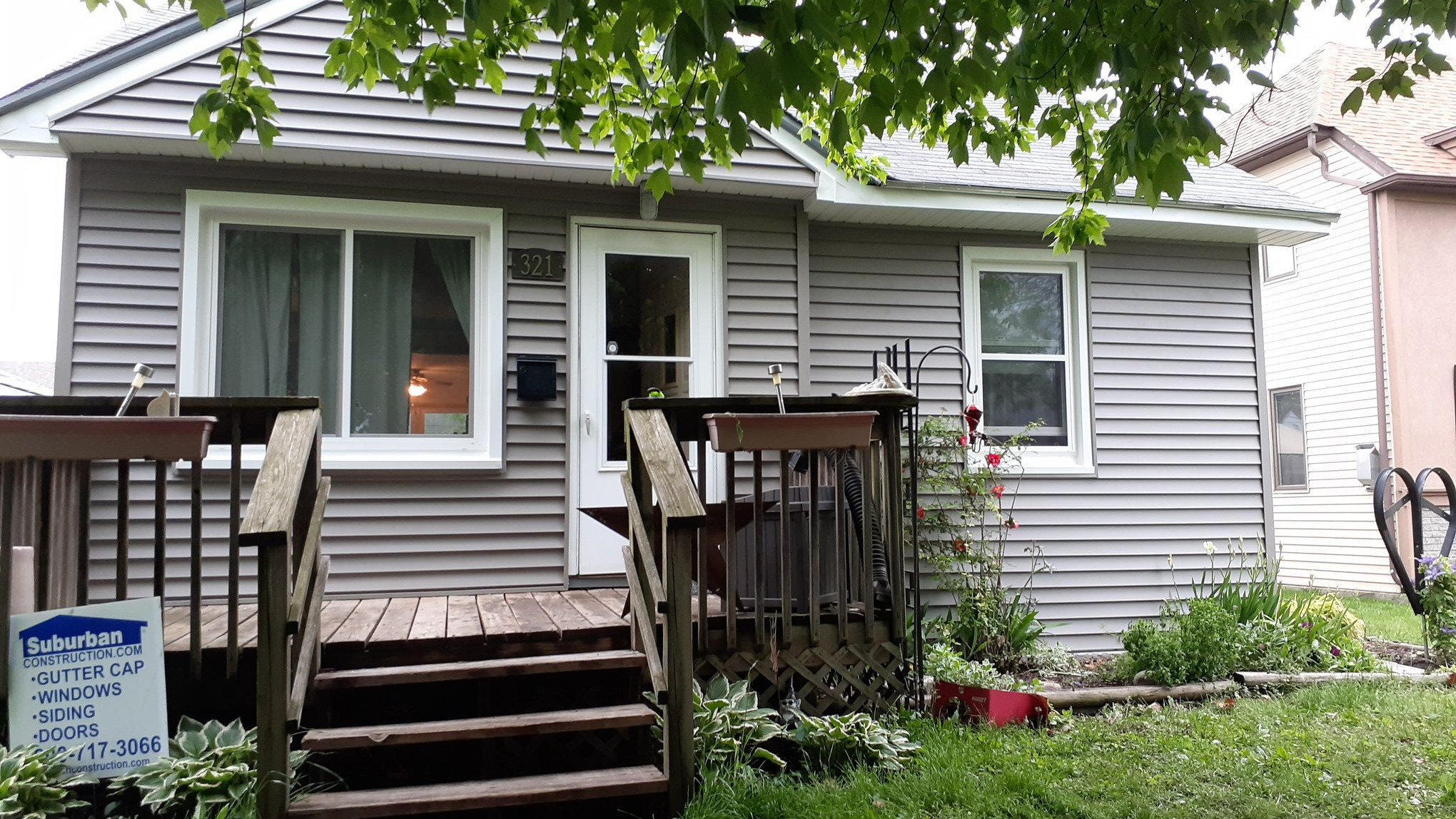
Home Improvement
Budgeting for Your Home Improvement Project
By JR Girskis
Home improvement projects are one of the few expenses that can actually pay you back, both in increased home value and in day-to-day quality of life. Done right, they make your home more functional, more comfortable, and more aligned with how you live.
But most people get into trouble because they focus on the project before they understand the numbers. That is how budgets get stretched, stress builds, and what should be a smart investment becomes a financial burden.
If you want to approach your next project intelligently, start with discipline, not inspiration.
Start With Reality: What Can You Actually Afford?
Before you think about materials, designs, or timelines, you need a clear picture of your financial limits.
Start by calculating:
- Your monthly net income
- Your fixed expenses
- Your non-negotiable costs
- Your true available cash flow
That number determines your ceiling. Not what you wish you could spend, but what you can sustain without creating pressure elsewhere.
You can use savings, but that decision should be intentional. If those funds are meant for emergencies or future investments, using them casually for a project is a mistake.
Let the Budget Drive the Project, Not the Other Way Around
This is where most people get it backwards. They decide what they want first, then try to force the numbers to work.
That is how projects spiral. Instead, define your budget and let that dictate the scope.
If the numbers do not support the project, your options are:
- Wait
- Scale back
- Phase the project
There is no upside to completing a project that leaves you financially strained. The stress will outlast the excitement.
Financing: A Tool, Not a Shortcut
Loans can bridge the gap, but they come with trade-offs. Lenders often look at your debt-to-income ratio and may allow up to around 45%. Just because you qualify does not mean you should take the maximum.
Financing should support a well-thought-out plan, not enable an impulsive one.
Before borrowing, ask:
- What is the total cost with interest?
- How does the payment affect monthly flexibility?
- Are you solving a real need or accelerating a want?
Used correctly, financing can help. Used casually, it compounds mistakes.
Focus on Improvements That Actually Add Value
Not all upgrades are equal. Some improvements tend to increase resale value significantly. Others may have little impact or even hurt value if they do not match buyer preferences.
Flooring
Practical, visible, and often value-adding.
Kitchens
High-impact when planned carefully.
Bathrooms
Functional upgrades buyers notice.
If your goal includes increasing home value, prioritize projects with proven returns. If your goal is personal enjoyment, that is fine, but be honest about it.
Do not justify a low-return upgrade as an investment. Clarity prevents rationalizing poor decisions.
DIY: Where You Save—and Where You Should Not
Doing the work yourself can dramatically reduce costs. With basic tools, free classes, and inexpensive guides, many projects are within reach if you are willing to invest time and effort.
A simple rule:
- Simple upgrades? DIY can make sense.
- Structural, electrical, or complex work? Hire expertise.
The goal is not to avoid contractors entirely. It is to use them strategically. Save money where skill is not critical, and pay for expertise where failure has consequences.
Saving: The Most Underrated Strategy
The simplest approach is often the most effective: save first, then build.
$5,000 project ÷ 12 months
That is about $416 per month: clear, predictable, and controlled.
There is another advantage most people overlook: time creates perspective.
Twelve months from now, you may:
- Refine the project
- Scale it down
- Upgrade your plan
- Decide you do not need it at all
Saving does not just fund the project. It filters bad decisions.
The Bottom Line
Home improvement is not just about building something new. It is about making a smart financial decision that holds up over time.
If you:
- Start with a realistic budget
- Let numbers guide scope
- Use financing carefully
- Focus on meaningful improvements
- Know when to DIY and when not to
- Give yourself time to save
You turn a risky expense into a controlled investment.
The biggest mistake is not overspending. It is skipping the discipline that prevents it.
Share This Post
Share it on Facebook or X, or send it through your device share sheet for Instagram.