Can damaged vinyl siding be repaired? Learn when repairs make sense, when replacement is better, and how to avoid mismatched or short-term fixes.
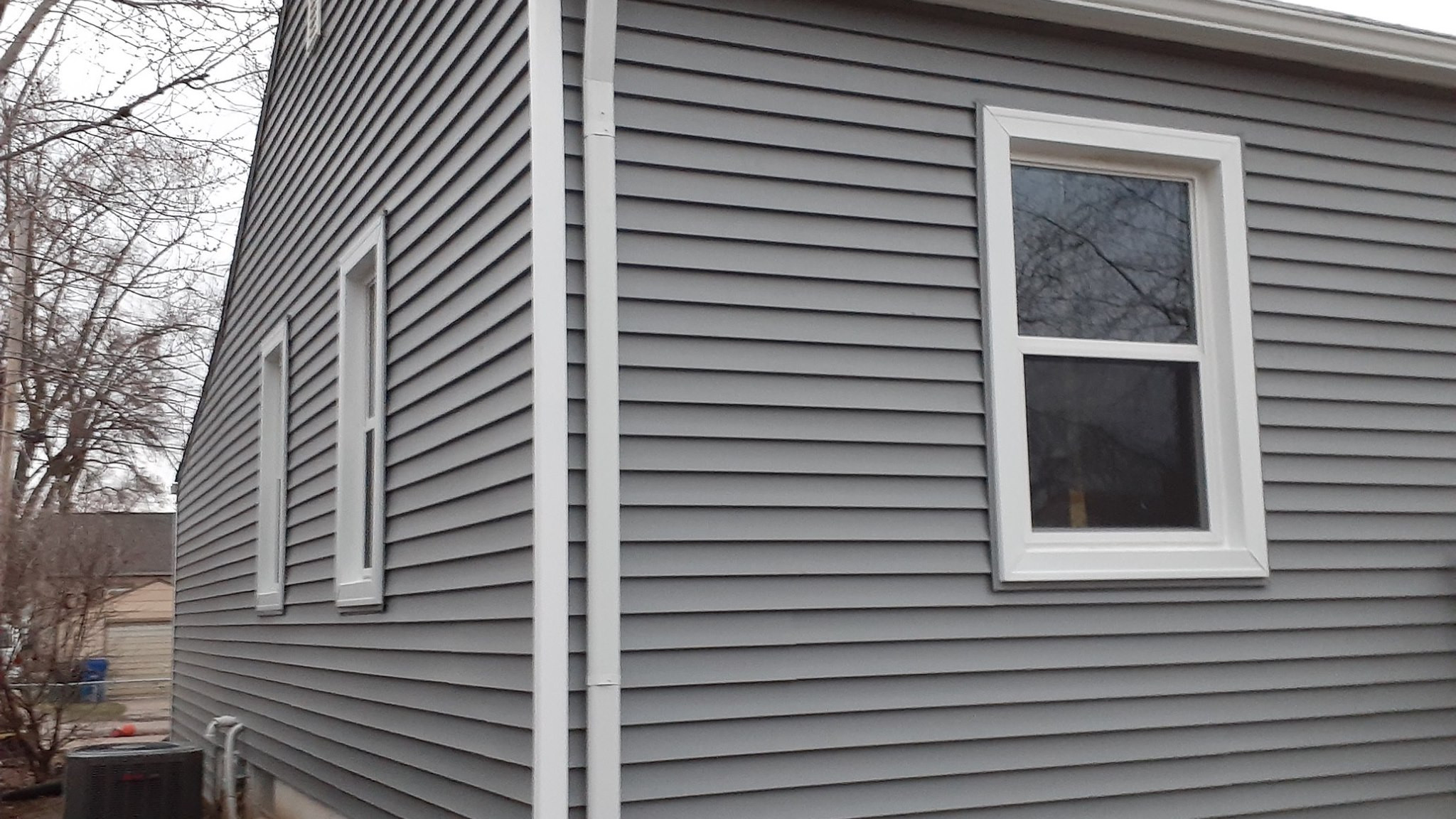
Siding Repair
Can Damaged Vinyl Siding Be Repaired Instead of Replaced?
By JR Girskis, Suburban Construction
Short answer: sometimes—but not always, and not always cleanly.
Vinyl siding is built in panels, which makes targeted repairs possible. But whether you should repair instead of replace depends on more than just what you can see on the surface.
The real question isn’t “can it be fixed?” It’s whether the fix actually holds up.
When Repair Makes Sense
Repairs work best when the issue is small, isolated, and recent.
Good repair scenarios:
- Damage limited to one or two panels
- Relatively new siding
- Matching material still available
- No moisture or structural damage underneath
In these cases, a clean repair can restore both function and appearance without tearing into the full system.
Where Repairs Start to Fall Apart
This is where most homeowners run into problems: matching and aging.
Why repairs stand out:
- Color fades unevenly over time
- Texture and sheen change with exposure
- Manufacturers update or discontinue products
Even a “perfect match” on paper often looks different once installed.
Midwest Weather Changes the Equation
In Iowa and Illinois, damage is often a symptom—not the root issue.
Common scenarios:
- Hail or wind affecting multiple areas
- Cracks allowing water behind siding
- Freeze/thaw cycles expanding small problems
What looks like a simple panel issue can turn into a larger system problem.
The Hidden Factor: What’s Behind the Siding
Surface damage is only part of the story.
You also need to consider:
- Condition of sheathing or framing
- Integrity of house wrap and moisture barriers
- Proper flashing around openings
Replacing a panel doesn’t fix underlying issues—it hides them.
When Replacement Becomes the Better Move
At some point, continuing to repair stops making sense.
Replacement is likely when:
- Damage is widespread or recurring
- Siding is older and noticeably faded
- Matching panels isn’t realistic
- Multiple problem areas are developing
At that stage, patching becomes more expensive—and more visible—over time.
Cost, Appearance, and Resale Impact
Repairs can save money short-term—but they can also create long-term drawbacks.
- Visible patchwork across the exterior
- Inconsistent color and finish
- A perception of deferred maintenance
Buyers notice inconsistency—even if the repair was technically correct.
The Bottom Line
Yes, vinyl siding can be repaired—but only when the conditions are right.
Small, isolated damage with matching material? Repair makes sense.
Older siding, widespread damage, or deeper issues? Replacement usually delivers a better long-term result.
The mistake is treating siding damage as cosmetic. The smarter question is whether you’re fixing a panel—or fixing the system.
Share This Post
Share it on Facebook or X, or send it through your device share sheet for Instagram.