Can you mix lap siding with shakes or vertical panels? Learn how to combine siding styles the right way without making your home look mismatched.
Design & Curb Appeal
Can I Mix Lap Siding with Shakes or Vertical Accents? (Quad Cities Guide)
By JR Girskis
Yes—you can mix siding styles. But whether it looks right long-term comes down to discipline, not creativity.
In the Quad Cities, many homes were built with simple, consistent exteriors. That simplicity is what gives them their character. When homeowners try to layer in multiple modern siding styles without a clear plan, the result often feels busy, mismatched, or temporary.
The goal isn’t to showcase options. It’s to create a cohesive exterior that still looks right 10–20 years from now.
Start With One Primary Siding Profile
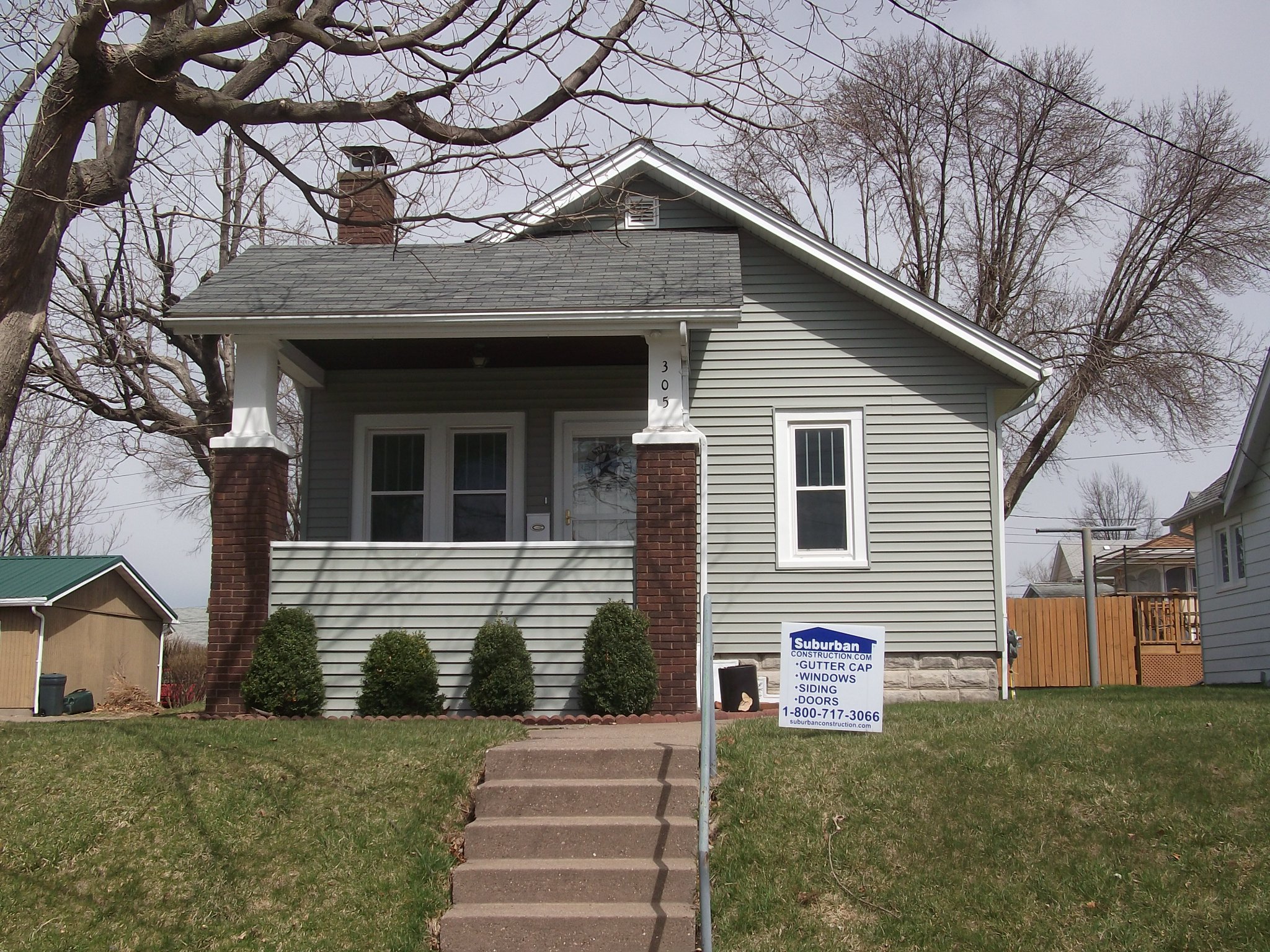
Every strong exterior starts with a consistent base. In most cases, that’s a traditional lap siding profile.
This primary siding should cover the majority of the home. It sets the tone, aligns with the original structure, and creates something you won’t get tired of over time.
- Creates visual consistency across the home
- Respects original architecture
- Provides a long-term, stable design foundation
If the base doesn’t work, no amount of accents will fix it.
Use Accents Intentionally—Not Everywhere
This is where most homeowners lose control of the design. Mixing styles works best when accents are limited and purposeful.
Where It Works
- Shakes in gables or upper sections
- Vertical siding on dormers or entry features
- Defined accent walls that break naturally from the structure
Where It Fails
- Mixing styles across large wall areas
- Layering multiple textures without structure
- Using accents just to “add interest”
Accents should highlight the home’s structure—not compete with it.
Balance Always Beats Complexity
The best-looking homes aren’t the most complex—they’re the most balanced.
In many cases, homeowners overestimate how much siding variation they need. Simpler designs often feel more refined and hold their value better over time.
Strong alternatives to over-mixing:
- Well-scaled shutters
- Clean, defined trim lines
- Consistent window and door framing
- Subtle architectural accents
These details often add more value than another siding type.
Think About How It Will Age
Trends change faster than your house does.
A design that leans too heavily into current styles can feel dated quickly. A design rooted in the home’s original proportions tends to stay relevant much longer.
If you’re unsure, simplify. Complexity rarely ages well.
Installation Matters More When Mixing Styles
Combining siding types adds another layer of complexity to installation.
Transitions between materials need to be clean, aligned, and intentional. Without that precision, the entire exterior can feel pieced together.
Critical details include:
- Proper trim at all transitions
- Consistent spacing and alignment
- Correct flashing and moisture control
- Integration that looks intentional—not forced
In Midwest conditions, these details also affect durability—not just appearance.
The Bottom Line
Mixing siding styles works—but only when it’s controlled.
The strongest approach is simple:
- Choose one primary siding (usually lap)
- Use shakes or vertical panels as accents
- Keep those accents limited and intentional
- Focus on balance, not variety
If everything is trying to stand out, nothing does. The homes that age best are the ones that stay disciplined.
Share This Post
Share it on Facebook or X, or send it through your device share sheet for Instagram.
More Siding Guides
From the Siding Learning Center — Common Questions