Learn how properly installed replacement windows can help reduce ice buildup, drafts, and condensation near window sills during Midwest winters.
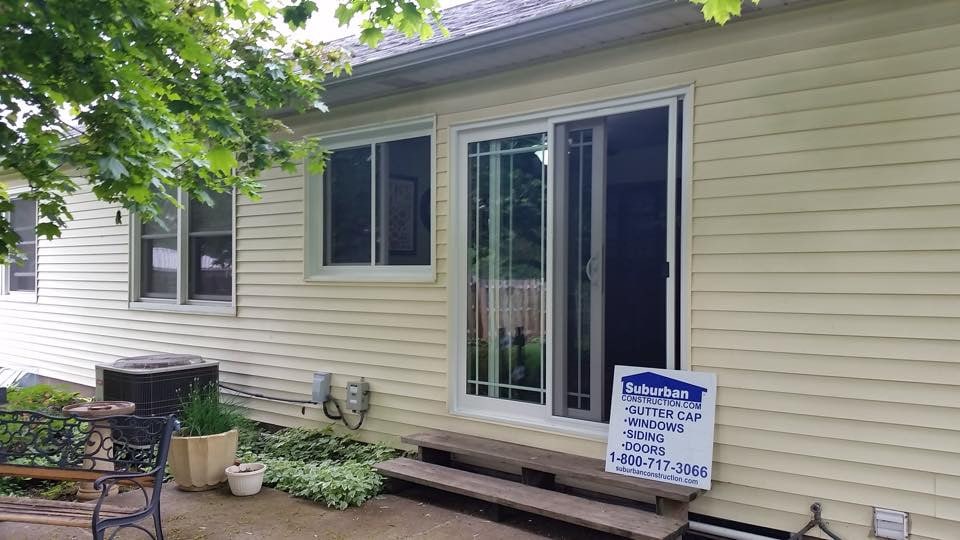
Yes — properly installed replacement windows can often help reduce ice buildup near the window sill by improving insulation, reducing air leakage, and helping maintain warmer interior glass and frame temperatures during winter.
In the Quad Cities region, ice buildup around windows is a common homeowner complaint during freezing Iowa and Illinois winters. Many older windows allow cold air infiltration around the frame or through worn weather seals, creating cold surfaces where moisture can condense and freeze.
Homeowners often notice:
In many cases, the issue is not just the glass itself — it is the entire window system and how it was installed.
Replacement windows are a high-trust purchase because the product and installation work together as one complete system. Even a high-performance window can struggle if the opening is not properly sealed and insulated during installation.
Modern replacement windows are designed with improved:
These upgrades help keep interior glass temperatures warmer during cold weather, which can reduce the likelihood of condensation and ice formation near the sill.
However, installation quality is just as important as the window itself.
On installation day, professional crews should carefully:
If the opening is not sealed correctly, cold outside air can continue entering around the frame even with a new window installed.
Many older homes in Davenport, Bettendorf, Moline, Rock Island, Eldridge, and surrounding communities were built with limited insulation around the original window openings. During replacement projects, installers often uncover hidden air gaps or deteriorated insulation that contributed to long-term draft and moisture problems.
Professional preparation and cleanup also matter more than many homeowners realize.
Experienced installers typically:
That attention to detail helps homeowners feel more comfortable during the remodeling process while ensuring the installation is completed correctly.
Ice buildup can also be influenced by indoor humidity levels. Even efficient windows may still experience some condensation if indoor humidity becomes excessively high during cold weather.
Common indoor moisture sources include:
Modern replacement windows usually reduce condensation problems significantly, but they work best when combined with balanced indoor humidity control and proper home ventilation.
Homeowners throughout eastern Iowa and western Illinois often notice the benefits of replacement windows first during winter cold snaps. Rooms near the glass typically feel:
Many homeowners also experience lower furnace strain and improved energy efficiency after replacing older leaking windows.
For long-term value, replacement windows should be viewed as both an energy-efficiency upgrade and a moisture-management improvement — especially in harsh Midwest climates where winter weather exposes weak points around aging windows.
Share This Post
Share it on Facebook or X, or send it through your device share sheet for Instagram.
More Window Guides
From the Windows Learning Center — Common Questions