Are casement windows more efficient than double-hung? Learn the real differences in performance and comfort.
Window Performance
Are Casement Windows More Energy Efficient Than Double-Hung Windows?
By JR Girskis
6–7 minute read
Short answer: casement windows are usually more energy efficient than double-hung windows—but only slightly, and only when both are installed correctly.
In the Quad Cities—Davenport, Bettendorf, Moline, Rock Island, and nearby areas—window performance matters because homes face cold winters, windy conditions, and humid summers. The difference between these styles comes down to how they seal and how they’re used.
Why Casement Windows Often Perform Better
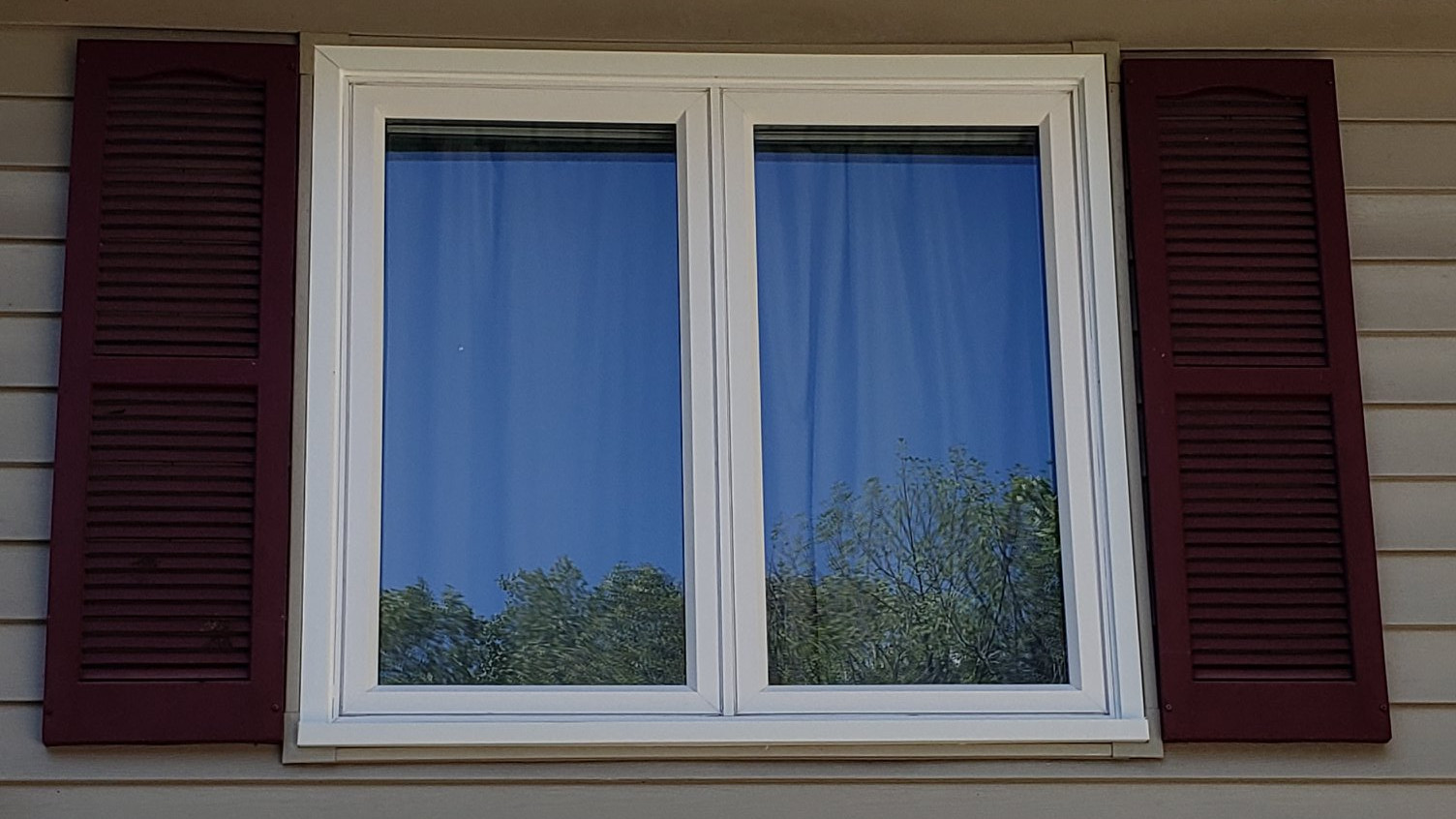
Casement windows open outward and seal tightly when closed.
- Compression seal presses tightly against the frame
- Fewer moving joints where air can leak
- Wind can actually push the sash tighter against the seal
This design naturally reduces air infiltration, especially during windy winter conditions.
How Double-Hung Windows Compare
Double-hung windows operate differently, which affects their sealing ability.
- Two sliding sashes create more potential air paths
- Relies on weatherstripping rather than compression sealing
- Still performs well when manufactured and installed properly
The gap in efficiency exists—but it’s not as large as many homeowners expect.
What Actually Matters More Than Style
Window performance is driven by the full system—not just how it opens.
- Frame design and construction quality
- Glass package (double vs triple pane, Low-E coatings)
- Spacer system between panes
- Installation and air sealing around the opening
A well-installed double-hung window can outperform a poorly installed casement window.
Winter Performance in the Quad Cities
Cold weather is where differences are most noticeable.
- Casement windows tend to reduce drafts more effectively
- Double-hung windows still perform well with modern designs
- Proper sealing around the frame is critical for both
Most homeowners notice comfort near the glass more than they notice the style difference.
Ventilation Differences
Efficiency is only part of the decision—ventilation matters too.
- Casement: excellent airflow, can catch and direct breezes
- Double-hung: allows top-and-bottom ventilation
The better choice depends on how you use the room day to day.
Style, Sightlines, and Resale
Buyers don’t just evaluate performance—they respond to appearance.
- Double-hung windows fit traditional home styles
- Casement windows offer a more modern look
- Clean sightlines and consistent design matter most
In the Quad Cities market, homeowners typically balance efficiency with architectural fit and resale appeal.
When Each Option Makes Sense
Choose Casement If:
- You want maximum air sealing
- You value stronger ventilation
- You prefer a more modern look
Choose Double-Hung If:
- You want a traditional appearance
- You prefer simpler operation and maintenance
- You’re matching existing window styles
Both can be excellent choices when selected and installed properly.
The Bottom Line
Casement windows are generally more energy efficient due to their tighter seal, but the difference is smaller than most homeowners expect.
In the Quad Cities, the biggest gains come from choosing a high-quality window system and making sure it’s installed and sealed correctly.
The smartest decision balances efficiency, ventilation, and architectural fit—because the best window is the one that performs well and looks right for your home.
Share This Post
Share it on Facebook or X, or send it through your device share sheet for Instagram.