Do you need to move landscaping before siding installation? Learn what to trim, why access matters, and how proper prep improves siding quality and results.
Project Preparation
Do I Need to Move Landscaping Before Siding Work Starts?
By JR Girskis, Suburban Construction
Short answer: yes—at least some of it. And if you don’t handle it ahead of time, it becomes a problem during the job.
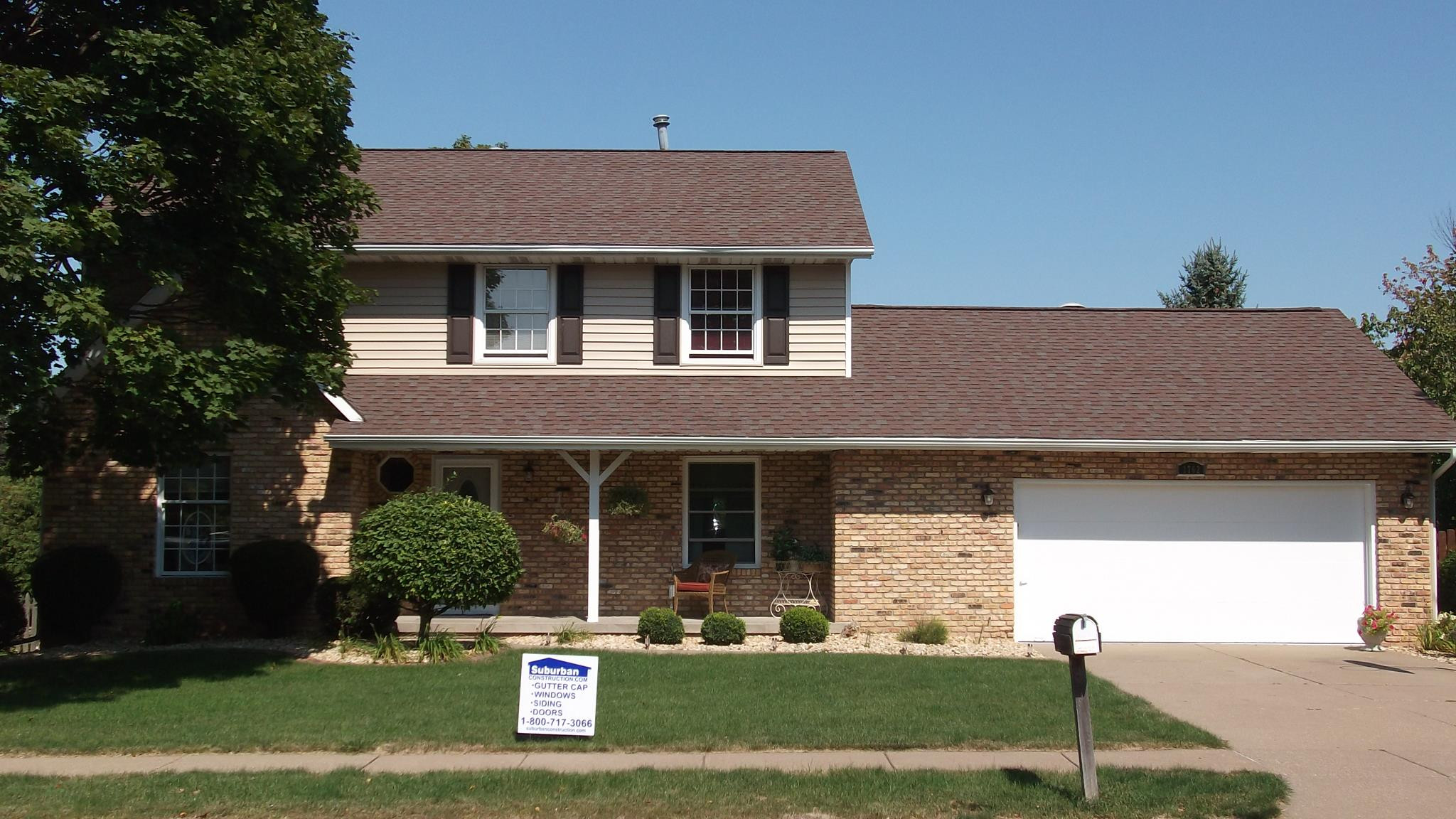
In the Quad Cities, most homes have landscaping tight to the house—bushes, mulch beds, edging, and small trees. The issue is simple: siding work requires full access to your walls.
If access is limited, installation quality is limited.
Why Access Matters More Than You Think
Siding installation is not just hanging panels—it’s a full system process.
Crews need space to:
- Remove old siding
- Inspect and repair underlying structure
- Install house wrap and moisture barriers
- Flash windows, doors, and penetrations
- Set trim, corners, soffit, and fascia
If landscaping blocks access, those steps get rushed, compromised, or delayed.
What Typically Needs to Be Moved or Trimmed
You don’t need to clear your entire yard—but anything tight to the house should be addressed.
Common items:
- Bushes or shrubs touching the walls
- Flower beds directly below siding lines
- Trellises, lattice, or climbing vines
- Potted plants, furniture, and décor
- Landscape lighting or irrigation near the house
Even a few inches of clearance can make a big difference.
What Happens If You Don’t Prepare
If landscaping isn’t handled upfront, one of three things usually happens:
- The crew works around it → slower install, lower quality
- The crew moves it quickly → higher risk of damage
- You’re asked mid-project → delays and frustration
None of those outcomes work in your favor.
Jobsite Protection Still Matters
A good contractor should protect your property—but protection has limits.
Expect:
- Covering plants when possible
- Managing tear-off debris
- Controlling nails and sharp materials
- Keeping work areas organized
Tight or overgrown landscaping limits how effective this protection can be.
Where This Impacts Installation Quality
This is the part most people underestimate: prep directly affects performance.
Proper installation requires:
- Flat, accessible walls for alignment
- Clean installation of wrap and flashing
- Consistent trim at the base of walls
- Full inspection of hidden damage
Limited access leads to compromised results—whether intentional or not.
Cleanup and Final Appearance
The goal is not just new siding—it’s a clean, finished exterior.
- Landscaping reinstalled or adjusted cleanly
- Straight, intentional trim lines
- Debris removed and site restored
When prep is done right, everything looks integrated—not worked around.
The Bottom Line
Yes—you should move or trim landscaping before siding work begins.
This isn’t about convenience—it’s about making sure the job is done correctly.
Proper access leads to:
- Better installation quality
- Cleaner final appearance
- Fewer delays and issues
Handle prep upfront, and the entire project runs smoother. Ignore it, and you’re building limitations into the job before it starts.
Share This Post
Share it on Facebook or X, or send it through your device share sheet for Instagram.
More Siding Guides
From the Siding Learning Center — Common Questions