When considering improvements to your home’s entryway, adding a storm door often comes up as an option. Some homeowners swear by them for comfort and efficiency, while others see them as unnecessary.
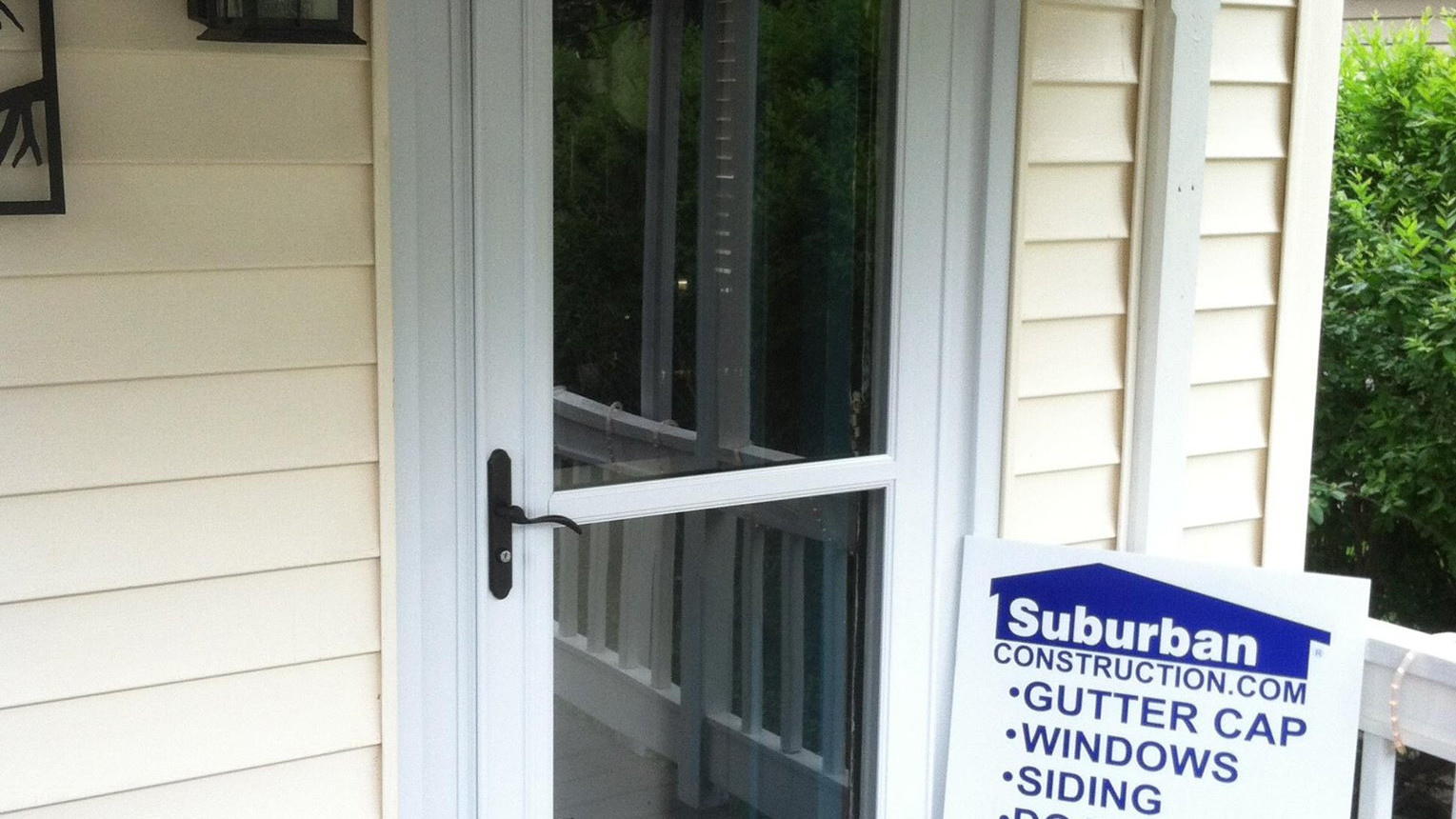
Do You Really Need a Storm Door? A Practical Guide for Homeowners
When considering improvements to your home’s entryway, adding a storm door often comes up as an option. Some homeowners swear by them for comfort and efficiency, while others see them as unnecessary.
The truth is more nuanced: whether a storm door makes sense depends on your specific home, climate, and goals.
Instead of defaulting to a yes or no, it’s better to evaluate a few key factors that determine whether a storm door will actually deliver value.
Climate: Where You Live Matters More Than You Think
Storm doors are most effective in regions that experience temperature extremes. In cold climates, they act as a barrier that reduces drafts and heat loss. In hot, humid areas, they can provide ventilation while still offering protection.
However, if you live in a relatively mild climate, the benefits shrink quickly. In those conditions, a storm door may add little in terms of energy savings or comfort—making it more of a cosmetic upgrade than a functional one.
Your Existing Door: The Weak Link—or Not
The performance of your current entry door is a major variable. Not all doors are created equal:
- Wood doors tend to be less energy efficient and often benefit the most from a storm door.
- Fiberglass doors typically offer strong insulation and may not need the extra layer.
- Steel doors fall somewhere in between—some perform well on their own, others improve with added protection.
- Glass-heavy doors are prime candidates for storm doors, since glass is a poor insulator.
If you don’t know how your current door performs, that uncertainty itself is a problem. Guessing leads to wasted money—either overspending on upgrades you don’t need or ignoring inefficiencies that cost you every month.
Replacement Plans: Don’t Solve the Wrong Problem
If you’re already planning to replace your entry door, adding a storm door might be the wrong move. Modern entry doors—especially fiberglass and steel—are often designed with tight seals, insulated cores, and built-in weather resistance.
In many cases, investing in a higher-quality primary door eliminates the need for a storm door altogether. Adding both can be redundant—an example of stacking solutions instead of solving the root issue properly.
Resale Value: Function vs. Perception
There’s a common assumption that storm doors hurt curb appeal. That might have been true decades ago, but it’s outdated thinking.
Today’s storm doors come in a wide range of styles, finishes, and glass options. When chosen carefully, they can enhance the look of a home rather than detract from it. More importantly, they signal energy efficiency and protection—qualities that can matter to buyers.
That said, this is not automatic. A poorly matched storm door can absolutely make your entry look cluttered or cheap. The value comes from intentional design, not just installation.
The Overlooked Alternative: Weather Stripping
Before committing to a storm door, there’s a simpler question you should ask: is your existing door properly sealed?
Weather stripping is one of the most cost-effective upgrades you can make. It’s inexpensive, easy to install, and can significantly reduce drafts and energy loss.
Ignoring this step and jumping straight to a storm door is a classic example of overcomplicating a fix. Always start with the simplest, highest-return solution first.
The Bottom Line
A storm door is not a universal upgrade—it’s a conditional one.
It makes sense when:
- Your climate is extreme
- Your current door is inefficient, especially wood or glass-heavy
- You’re not planning to replace the main door
- You want added protection and potential resale appeal
It makes less sense when:
- Your climate is mild
- Your entry door is already modern and well-insulated
- A simple fix like weather stripping would address the problem
The mistake most homeowners make isn’t choosing the wrong product—it’s skipping the evaluation process entirely.
If you approach the decision critically instead of automatically, you’ll avoid unnecessary costs and make a choice that actually improves your home.
Share This Post
Share it on Facebook or X, or send it through your device share sheet for Instagram.