Learn how contractors properly handle lights, outlets, and hose bibs during siding replacement—and why these details matter in Quad Cities homes.
Siding Process & Exterior Details
How Do Contractors Handle Electrical Fixtures and Hose Bibs During Siding Replacement?
By JR Girskis
6 minute read
Every exterior penetration—lights, outlets, hose bibs, vents—has to be removed, reset, and reinstalled correctly during a siding project. If it’s not handled properly, it becomes one of the most common failure points for water and air intrusion.
In the Quad Cities, where homes deal with wind-driven rain, humidity, and freeze-thaw cycles, these details aren’t cosmetic. They directly affect how well your siding system performs over time.
What Happens to Fixtures During Siding Replacement
When old siding is removed, anything mounted through it has to come off. That includes:
- Exterior light fixtures
- Electrical outlets and conduit
- Hose bibs (spigots)
- Dryer vents and exhaust outlets
- Cable and utility penetrations
These components aren’t just removed and put back—they’re reset as part of the new siding system.
If they’re simply “reinstalled,” the job is being done halfway.
The Right Way to Reinstall Fixtures
A proper siding installation treats every penetration as a controlled detail—not an afterthought.
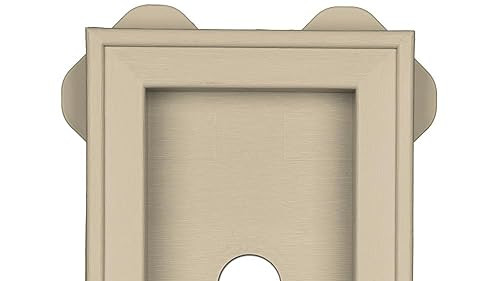
1. Install Mounting Blocks
Fixtures should be mounted to solid, purpose-built blocks—not directly through siding. This creates a flat, secure surface and prevents distortion.
2. Flash and Seal Properly
Every penetration must be flashed and sealed to prevent water from getting behind the siding system.
3. Integrate with House Wrap
The water-resistive barrier (house wrap) should tie into these openings so moisture is directed away—not trapped.
4. Align for Clean Appearance
Fixtures should be straight, centered, and visually consistent with trim lines—not crooked or uneven.
Done right, these elements look built into the home—not stuck on top of it.
Why This Matters for Vinyl Siding Performance
Vinyl siding is designed to move with temperature changes. That means installers must:
- Leave proper clearance around fixtures and penetrations
- Center nails in fastening slots
- Avoid fastening panels too tightly
When these basic rules are ignored, the system starts to show stress.
Common symptoms include:
- Buckling or warping panels
- Oil-canning (wavy appearance)
- Popping or creaking noises
- Distorted trim around fixtures
These aren’t material failures—they’re installation failures, often caused by improper detailing around penetrations.
Hose Bibs: A Common Weak Point
Hose bibs (exterior water spigots) are one of the most overlooked areas in siding projects—and one of the most likely to leak if handled incorrectly.
Proper installation includes:
- Mounting block or recessed box for proper clearance
- Sealed and flashed penetration behind the siding
- Clean trim integration to prevent water entry
If a hose bib is just pushed through siding without these steps, water can easily get behind the wall—especially during heavy rain or winter freeze cycles.
Why This Work Is Best Done During Siding Replacement
Siding replacement is one of the only times your entire exterior system is exposed. That makes it the ideal moment to correct problems that have been hidden for years.
Common upgrades during this phase:
- Replacing outdated or mismatched fixtures
- Fixing poor sealing or mounting issues
- Upgrading trim blocks for a cleaner look
- Improving flashing and moisture control
Trying to fix these later usually means cutting into new siding—costing more and creating unnecessary risk.
The Bottom Line
Electrical fixtures and hose bibs aren’t minor details—they’re critical connection points in your siding system.
In the Quad Cities, proper mounting, flashing, sealing, and spacing determine whether your siding performs correctly or develops problems over time.
Done right, these elements are clean, sealed, and integrated into the home. Done poorly, they become the exact spots where water, air, and long-term damage start.
Share This Post
Share it on Facebook or X, or send it through your device share sheet for Instagram.
More Siding Guides
From the Siding Learning Center — Installation