Learn how to inspect your siding after a storm and spot damage early in Quad Cities homes.
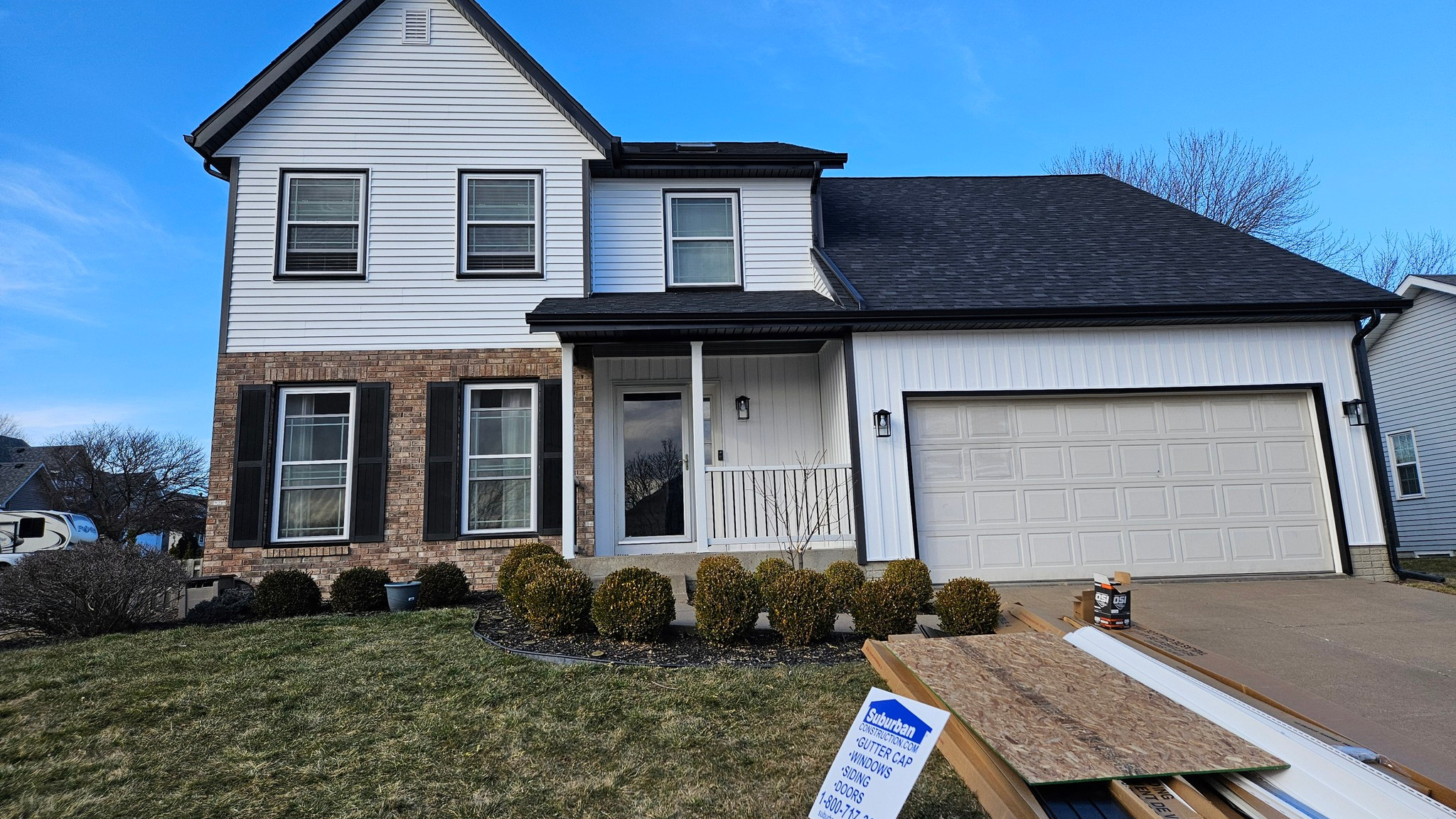
Storm Inspection
How Do I Inspect Siding After a Storm?
By JR Girskis
5 minute read
Short answer: start with visible damage—but don’t stop there.
In the Quad Cities—Davenport, Bettendorf, Moline, Rock Island, and surrounding areas—storms often bring a mix of hail, wind, and pressure changes. That combination can damage siding in ways that aren’t always obvious from a quick glance. A proper inspection helps you catch issues early before they turn into moisture problems or costly repairs.
Start With the Obvious Damage
Walk around your home and look for visible signs first.
Check for:
- Cracked or broken siding panels
- Missing pieces or sections
- Loose or unhooked courses
- Broken corners or trim pieces
- Lifted or flapping edges
These are clear indicators that the siding took direct impact or wind stress.
Focus on Vulnerable Areas
Some parts of the home take more stress during storms than others.
Pay close attention to:
- Around windows and doors
- Gable ends and rooflines
- Corners and J-channel areas
- Any side facing the direction of the storm
These areas are where wind and water are most likely to get behind the siding.
Don’t Ignore Related Exterior Components
Storm damage rarely affects just one part of the exterior.
Also inspect:
- Gutters for dents, separation, or clogging
- Downspouts for disconnection or bending
- Window capping and trim for damage or looseness
- Soffit and fascia for impact or displacement
Damage in these areas often signals how severe the storm impact was.
Look for Subtle or Delayed Damage
Not all storm damage is immediate.
- Hairline cracks that spread over time
- Panels that feel loose or soft
- Small gaps that weren’t there before
These issues can allow water behind the siding, even if the surface looks mostly intact.
Why This Matters in the Quad Cities
Midwest storms don’t just hit once—they repeat. That means small damage can compound quickly.
- Hail weakens panels
- Wind loosens connections
- Temperature swings expand existing cracks
What looks minor today can turn into water intrusion tomorrow.
When to Call for a Professional Inspection
If you’re unsure, it’s better to get a second look.
JR Girskis and Darin Wilson bring over 20 years of exterior design and inspection experience in the Davenport area. That experience helps identify subtle damage patterns, assess whether repairs are enough, and catch issues that aren’t visible from the ground.
A professional inspection isn’t just about confirming damage—it’s about protecting the long-term performance of your home.
The Bottom Line
Inspecting siding after a storm starts with visible damage—but the real value comes from catching what’s easy to miss.
Check panels, trim, and surrounding components like gutters and window capping, especially in areas that took the brunt of the storm.
In the Quad Cities, where storms are frequent and often severe, early inspection is what prevents small issues from turning into major repairs.
Share This Post
Share it on Facebook or X, or send it through your device share sheet for Instagram.
More Siding Guides
From the Siding Learning Center — Common Questions