Local real estate investors help communities restore neglected homes, expand rental options, adapt older properties for modern families, and strengthen neighborhood property values. Learn why local investment plays a critical role in solving housing shortages.
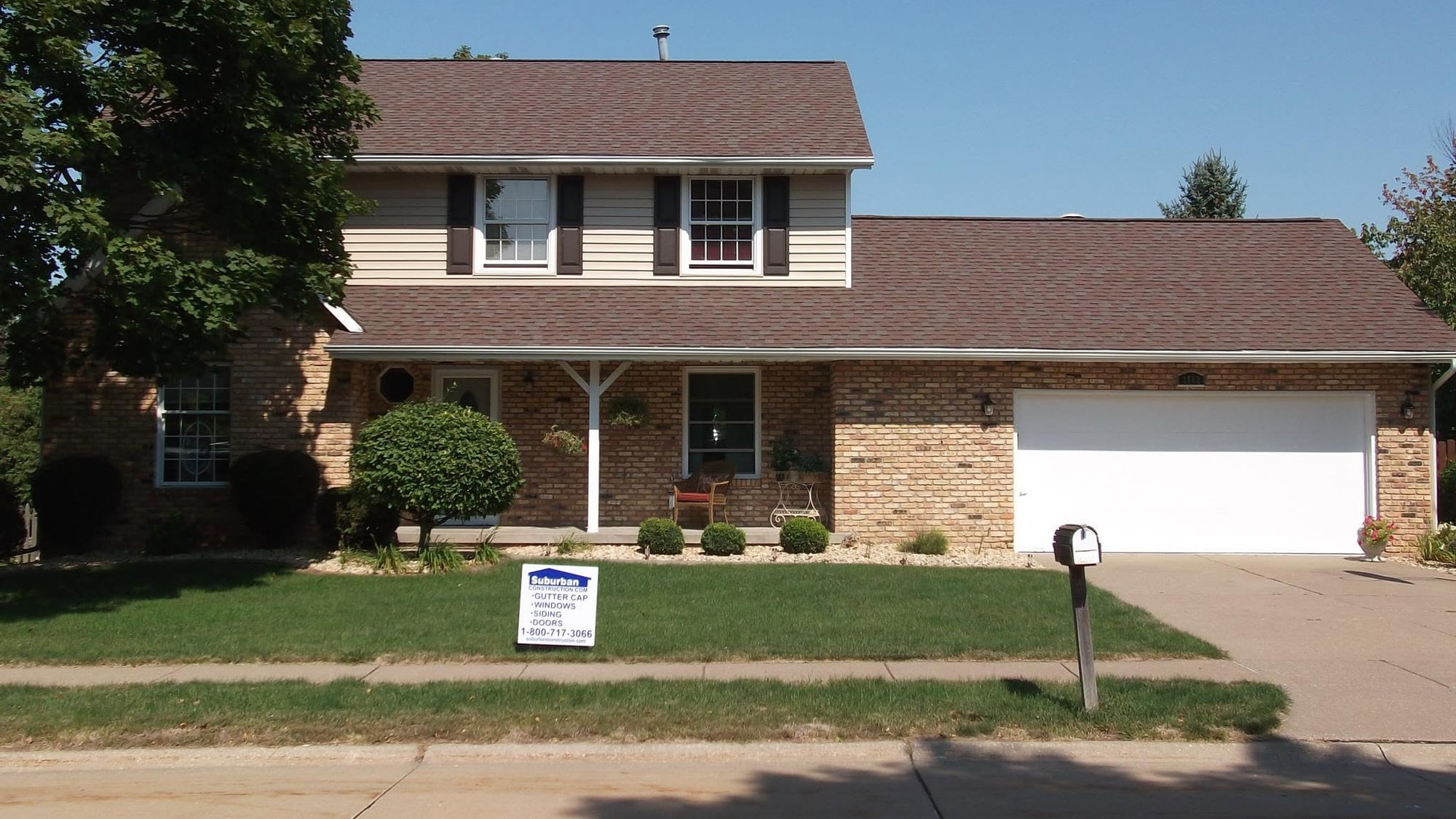
Drive through your own town and count the houses that sit empty or tired while families around you struggle to find a decent place to live. That gap between what exists and what people need has grown wider every year, and no big corporation or government program is closing it at the street level.
The people actually doing that work are local investors — the contractor who buys the rundown house on the corner, the couple who turns their garage into a rental, the small operator who converts a dead storefront into four apartments. What they do, and why nobody else can do it, deserves a closer look.
Every community has homes that ordinary buyers cannot touch. A house with a failing roof, wiring from the 1960s, and twenty years of skipped maintenance might need $80,000 to $100,000 of work before a family can safely live in it. Most buyers don’t have that kind of money available or the experience to manage a renovation that large. As a result, those homes often sit empty, continue to deteriorate, and eventually affect the entire neighborhood.
New construction can’t solve that problem overnight. A new subdivision often takes years to move from land purchase to move-in, and many older neighborhoods simply don’t have room for new homes. The fastest way to add housing is often by restoring the homes that are already there.
That’s where experienced builders see the biggest opportunity. JR Girskis, President at Suburban Construction Inc, says, “The homes that look beyond saving are often the ones with the most potential. Once the roof, electrical system, plumbing, and other major components are properly repaired, many of these properties become solid family homes again. Renovating an existing house is often much faster than building a new one from the ground up, especially in established neighborhoods where the infrastructure is already in place.”
Local investors help make those projects possible. They buy the homes most people avoid, invest in major repairs, and return safe, livable houses to the market within months. Families gain homes they couldn’t have renovated on their own, neighborhoods lose vacant properties, and communities add housing without developing new land.
Most homes in any established neighborhood were built for one specific family — a single earner who drove to an office, two or three kids, and nobody else under the roof. Walk through those same neighborhoods today and the households look completely different, but the houses haven’t changed.
Families now bring aging parents home instead of paying for assisted living. Adult children stay longer or move back because buying a first home has become much harder. Many people work from home several days a week and need a dedicated office instead of using the kitchen table. Older homeowners want to stay in the neighborhoods they know instead of moving somewhere unfamiliar.
A standard three-bedroom home from the 1980s doesn’t fit many of these needs, which is why local investors often focus on practical renovations. They turn garages and basements into separate living spaces, add backyard units, and redesign layouts so homes work better for modern families.
These projects rarely attract large national companies, but they’re often exactly the kind of improvements local investors take on. Jared Vidales, CEO of We Buy Mobile Homes Arizona, sees the same pattern in his own market. He highlights, “The biggest housing needs aren’t always solved by building something new. Many communities already have properties that can be updated to fit the way people live today. The same local knowledge matters when working with mobile homes. Choosing a local company that buys mobile homes for cash often means working with people who understand the neighborhood, the market, and what those properties need to become good homes again.”
And look at the size of these projects. Converting a garage into a small living space might cost between $40,000 and $60,000, while building a backyard unit could cost around $150,000. For large national companies, projects like these are often too small to pursue. Local investors see them differently. One renovation, one conversion, and one new unit at a time, they help communities create the housing people actually need.
Buying a first home now happens later in life than it ever has. Where previous generations bought in their late twenties, today’s first-time buyer is often closer to forty. This leave leaves a stretch of ten to fifteen years when working adults need somewhere decent to rent. Communities that cannot offer that lose their teachers, nurses, and tradespeople to towns that can, and once those workers leave, they rarely come back.
And also, the majority of rental homes in this country are not owned by corporations. They belong to individuals and small local operators who rent out a single house, a duplex, or a small building with four or six units. When rental supply grows in a town, it almost always grows through these hands.
Local investors expand that supply in ways that fit the community around it. They take an oversized five-bedroom house that no modern family wants and convert it into two comfortable units. They buy the tired eight-unit building that big investment funds consider too small to even look at, fix it up, and keep it renting at rates local workers can actually pay. They add a unit above a garage or behind a main house, creating homes in places nobody counted as housing before.
There is a benefit hidden inside that local ownership too. A landlord who lives ten minutes away answers the phone, knows the tenant by name, and fixes the furnace in January, because his reputation lives in the same town he does. That accountability decides whether renting somewhere feels like a dead end or a fair way to live, and no distant owner can copy it.
The deeper reason local investment works comes down to information. Housing needs are intensely local, and money operating from a distance is nearly blind to them.
A national investment fund studies markets through spreadsheets — citywide price trends, average rents, and population growth. That approach works well when buying hundreds of similar properties across different markets. What it often misses are the local changes happening on the ground.
A new employer opening nearby, changing neighborhood demand, or a planned redevelopment project can completely change the outlook for a community long before those shifts appear in market reports.
Seph Fontane Pennock, Founder & CEO of FatFire, notes, “The best opportunities rarely come from the data everyone is already looking at. They come from understanding what’s happening in a community before it becomes obvious to the broader market. Numbers help you measure an investment, but local knowledge often explains why that investment is worth making in the first place.”
Local investors live inside that information. They drive past opportunities on the way to work. They hear about a hospital expansion at a community event, learn which neighborhoods are improving from local residents, and understand how future development could change an area before the rest of the market catches on.
Homes are valued partly by what surrounds them, so when the worst house on a street gets rebuilt, every neighbor gains value without spending a dollar. A house that might have sold for $250,000 next to a boarded-up eyesore can sell for $270,000 or more once that eyesore becomes the nicest home on the block.
The deeper effect works on behavior. Visible investment tells people a street is worth believing in, and belief spreads fast. One restored home prompts the neighbor’s new roof, then a fence two doors down, then a young family choosing that street over the next town. Within a few years, a block that was sliding can be climbing, and the turnaround usually traces back to one or two projects that broke the pattern.
The money circulates locally too. A $90,000 renovation pays local electricians, plumbers, roofers, and painters, and those paychecks get spent at local shops instead of flowing to a headquarters three states away. Restored homes rejoin the tax rolls and fund the schools. Families in once-vacant houses become customers for businesses that were barely holding on.
Fairness requires naming the tension in all this. Investment that lifts a neighborhood also raises its prices, and communities worry about longtime residents being priced out. The useful line separates investment that adds and adapts housing from speculation that simply holds property and contributes nothing. Local investors have every reason to stay on the right side of that line, because their names and reputations live in the same town their projects do.
Housing needs will keep moving whether communities prepare or not. Families will keep restructuring, work will keep spreading into homes, and the population will keep aging. No outside force is coming to ready your town for any of it. That work belongs to local hands — to the people who see a vacant house, an unmet need, and the possibility sitting between them.
If you invest locally, this is the larger meaning behind every sound project you take on. Each restored home, converted garage, and small rental building is one piece of your community adapting to what its people actually need. And if you simply live in a town where the tired properties keep coming back to life, pay attention to who is doing that work.
https://impactwealth.org/how-local-real-estate-investment-is-helping-communities-adapt-to-changing-housing-needs/
Share This Post
Share it on Facebook or X, or send it through your device share sheet for Instagram.