Learn how to identify signs of poor replacement window installation and why sealing, flashing, and cleanup matter for long-term performance.
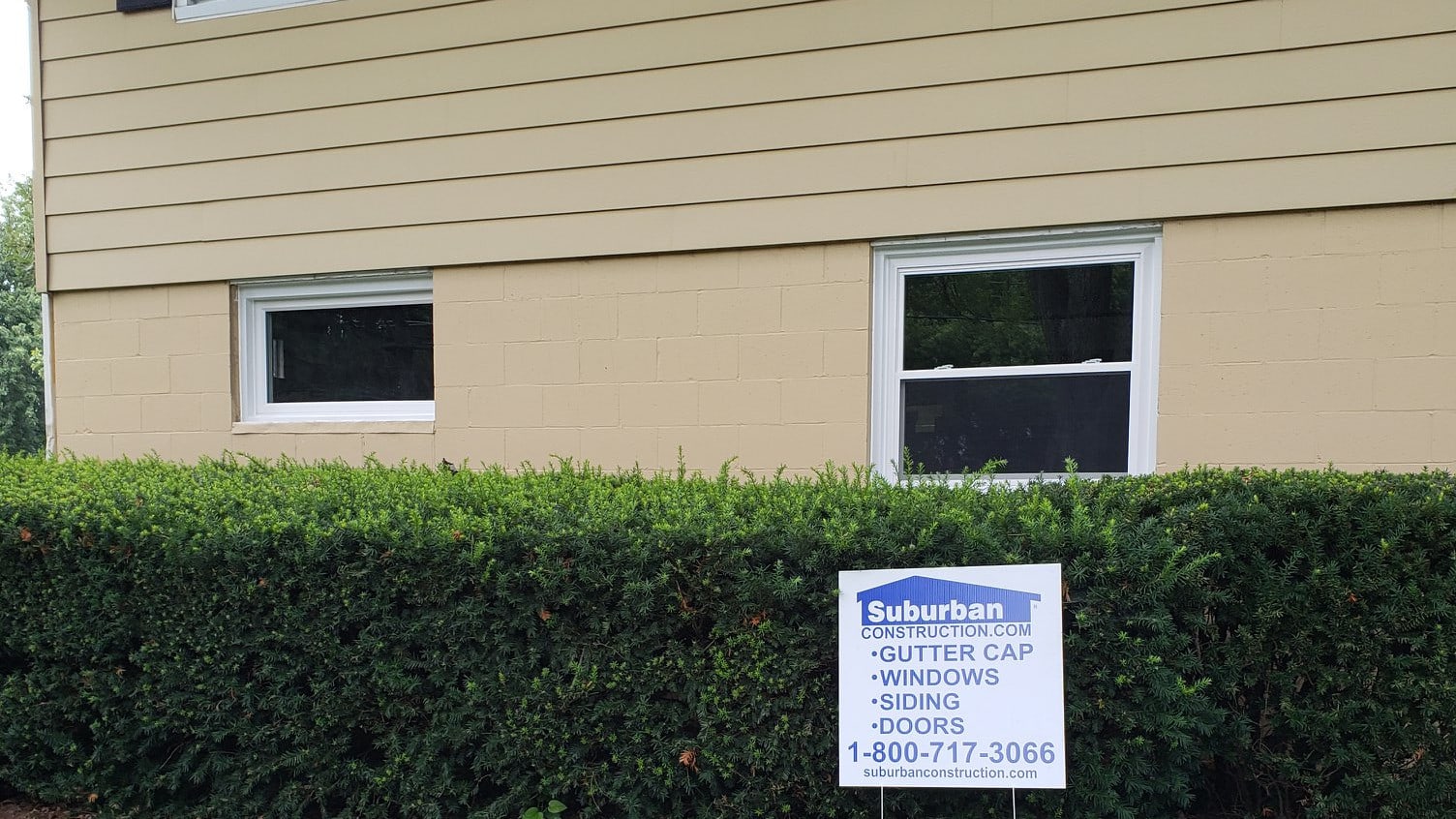
Even a high-quality replacement window can perform poorly if the installation was rushed or completed incorrectly. That is why homeowners throughout Davenport, Bettendorf, Moline, Rock Island, Eldridge, and the surrounding Quad Cities area should pay close attention not only to the window product itself, but also to how the installation was completed.
Replacement windows are a high-trust purchase because the product and installation work together as one complete system. In many cases, long-term window problems are caused less by the window itself and more by air leakage, moisture intrusion, or improper sealing around the opening.
According to guidance commonly supported by the American Architectural Manufacturers Association (AAMA), proper installation is critical to achieving the tested performance ratings of the window system. Even energy-efficient windows can underperform if flashing, insulation, shimming, or sealing procedures are done incorrectly.
Poor installation can eventually lead to:
JR Girskis and Darin Wilson of Suburban Construction have spent decades helping Quad Cities homeowners compare energy-efficient replacement windows while also educating customers about the importance of professional installation practices.
According to Darin Wilson, many installation problems are visible shortly after the project is completed if homeowners know what to look for.
“The product and installation are inseparable,” Wilson explains. “You can buy an excellent window, but if the opening is not sealed and finished properly, the performance suffers.”
One of the biggest warning signs is noticeable cold air movement near the window during winter.
A properly installed replacement window should feel:
Drafts often indicate gaps around the frame, poor insulation, or incomplete air sealing inside the rough opening.
Windows should open, close, lock, and tilt smoothly.
Signs of improper installation include:
Improper shimming or out-of-square installation can place stress on the frame and hardware.
Exterior sealing details matter significantly in Midwest weather conditions.
Homeowners should inspect for:
These areas help protect the opening against wind-driven rain, snow, and moisture intrusion.
Some humidity-related condensation can occur naturally, but persistent moisture around a new window may indicate installation issues.
Watch for:
Improper flashing or sealing can allow moisture intrusion around the window system.
Modern replacement windows should noticeably improve sound reduction compared to older windows.
If outside noise remains nearly unchanged after installation, possible causes may include:
Visual alignment problems may indicate rushed installation work.
Look for:
Professional installation crews pay close attention to finishing details because appearance and performance work together.
Experienced replacement window crews typically follow a detailed process to help ensure long-term performance.
Professional installation often includes:
Preparation and cleanup matter more than many homeowners expect. Clean, organized installation practices usually reflect attention to detail throughout the project.
JR Girskis often explains that homeowners should feel comfortable asking questions during and after installation.
“A reputable contractor should be willing to explain what they’re doing and why they’re doing it,” Girskis says.
In eastern Iowa and western Illinois, replacement windows face:
That means sealing and flashing details become extremely important for long-term durability and energy efficiency.
Poor sealing can allow hidden air and moisture infiltration that may not become obvious until months or years later.
Well-installed energy-efficient windows help homeowners reduce:
They also improve long-term comfort and resale confidence.
For homeowners investing in replacement windows, understanding how to identify quality installation work can help protect both comfort and long-term value for years to come.
Share This Post
Share it on Facebook or X, or send it through your device share sheet for Instagram.
More Window Guides
From the Windows Learning Center — Installation