Vinyl siding can handle storms when properly installed, but hail and wind can still cause damage. Learn what to look for and how to protect your home.
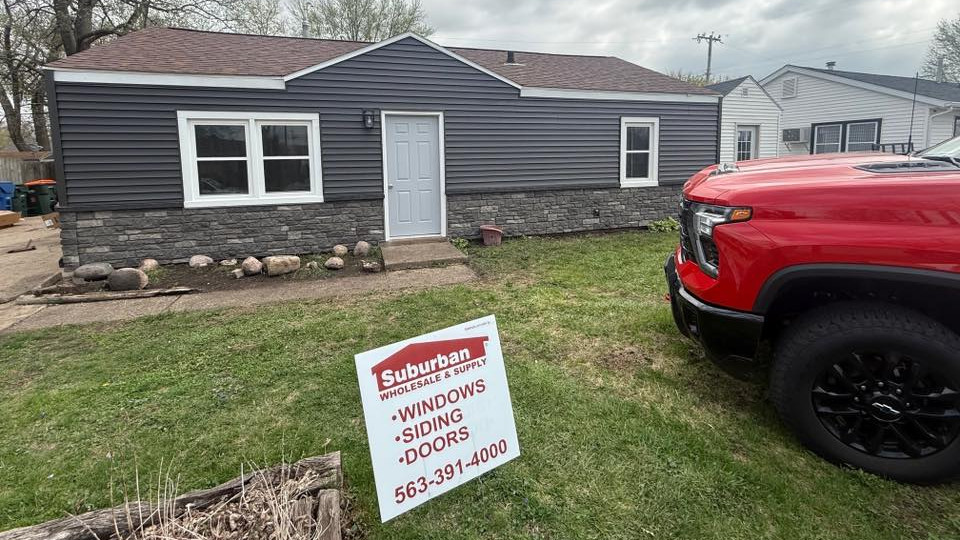
Siding Performance
How Does Vinyl Siding Handle Hail and Storm Damage?
Vinyl siding can perform well in hail and storms when it is properly rated and correctly installed. Modern vinyl siding is designed to flex under pressure, which helps it absorb minor impacts without cracking.
However, no exterior material is completely damage-proof. Severe hail, high winds, and flying debris can still cause cracks, chips, or panel displacement—especially during stronger Midwest storms.
In the Quad Cities region, where storm intensity can vary widely, real-world performance depends just as much on installation quality as it does on the siding itself.
What Helps Vinyl Siding Withstand Storms?
- Impact-resistant siding grades designed for hail-prone areas.
- Proper fastening that allows panels to expand and contract without buckling.
- Secure trim and edge details that prevent wind from getting underneath panels.
- Correct spacing and alignment to maintain flexibility under stress.
Why Installation Details Matter
Vinyl siding is designed to move slightly with temperature changes. If it’s nailed too tightly or installed without proper spacing, it loses that flexibility—making it more vulnerable during hail or high winds.
Likewise, poorly installed trim pieces or loose panels can become failure points during storms, allowing wind to lift sections or drive moisture behind the siding.
A properly installed system works as a whole—shedding water, resisting wind, and maintaining durability across both storm events and seasonal temperature swings.
After the Storm: What to Check
- Visible cracks, chips, or punctures from hail impact.
- Loose or shifted panels caused by high winds.
- Damaged or missing trim pieces.
- Signs of moisture intrusion around seams or edges.
Long-Term Value in the Quad Cities
Vinyl siding remains a popular choice in the Quad Cities because it balances durability, cost, and low maintenance. When installed correctly, it can handle typical Midwest weather while maintaining its appearance over time.
The key is understanding that performance comes from the combination of product quality, installation technique, and ongoing inspection—especially after severe storms.
The Bottom Line
- Vinyl siding can handle typical storms when properly rated and installed.
- Severe hail and wind can still cause damage to any exterior material.
- Fastening patterns and trim details play a major role in durability.
- Post-storm inspections help catch issues early and protect long-term performance.
Share This Post
Share it on Facebook or X, or send it through your device share sheet for Instagram.