Compare insulated vinyl siding vs standard vinyl siding for appearance, comfort, and long-term value.
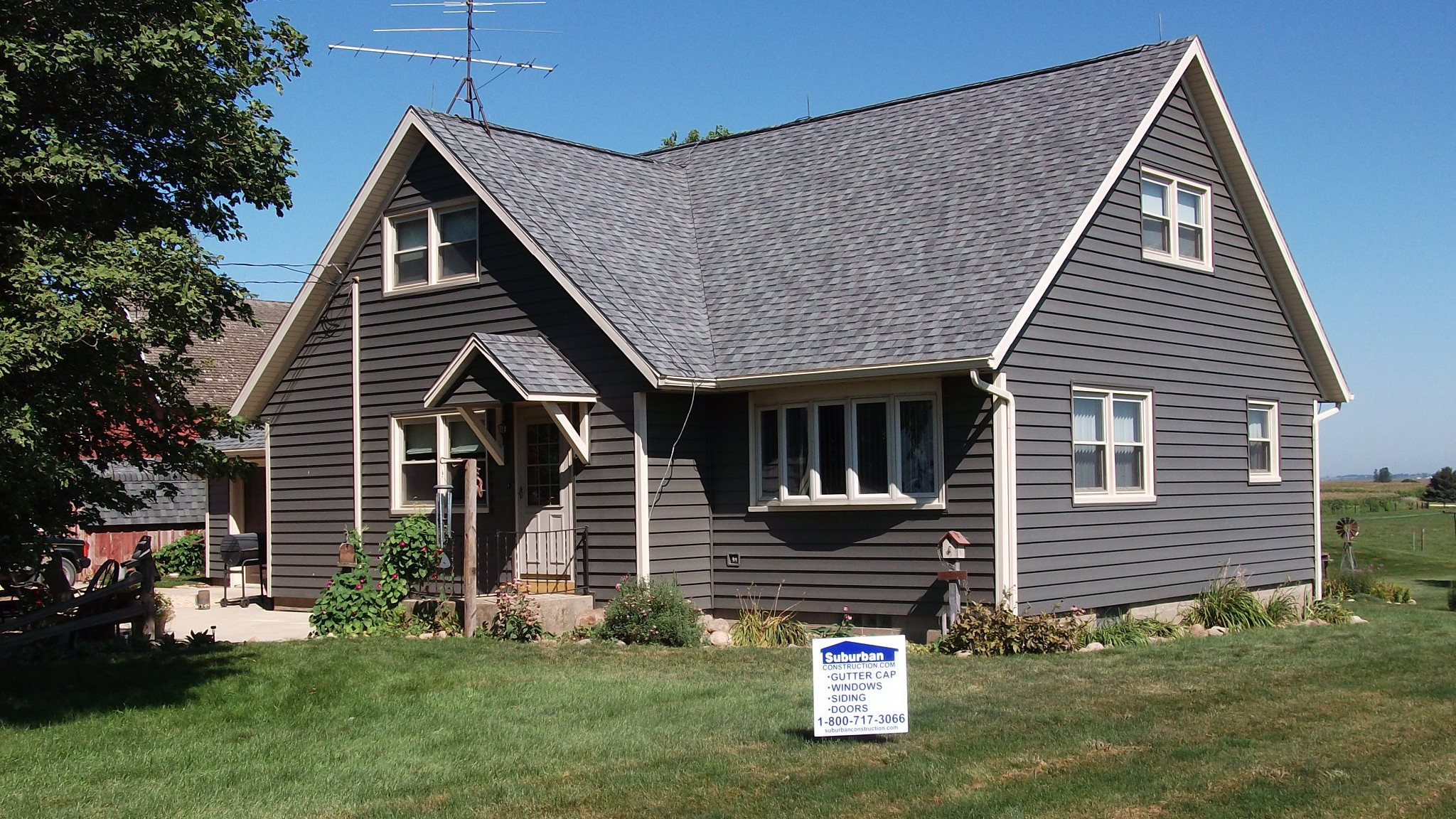
Siding Comparison
How Does Insulated Siding Compare With Standard Vinyl Siding?
By JR Girskis
6–7 minute read
Short answer: insulated siding adds a rigid foam backing that improves appearance and adds some thermal value, while standard vinyl siding focuses on durability and cost efficiency.
In the Quad Cities—Davenport, Bettendorf, Moline, Rock Island, and nearby areas—both options perform well when installed correctly. The difference comes down to how much you value wall appearance, comfort, and overall feel versus upfront cost.
What Is Insulated Vinyl Siding?
Insulated siding is standard vinyl siding bonded to a layer of rigid foam insulation.
- Foam backing fills the hollow space behind the panel
- Panels feel thicker and more rigid
- Helps create a flatter, more uniform wall surface
It changes how the siding looks and feels more than most homeowners expect.
Standard Vinyl Siding Basics
Standard vinyl siding is installed as a hollow panel system designed to move with temperature changes.
- Lightweight and flexible
- Cost-effective and widely available
- Performs well when properly installed over a flat surface
It remains the most common choice because it balances performance and affordability.
Appearance: Where Insulated Siding Stands Out
This is often the biggest visual difference.
- Reduces “waviness” caused by uneven walls
- Creates a more solid, straight appearance
- Helps panels sit flatter against the home
If curb appeal is a priority, this is where insulated siding earns its keep.
Energy and Comfort Impact
Insulated siding does add thermal value—but expectations should be realistic.
- Provides modest insulation improvement
- Helps reduce minor drafts and thermal bridging
- Works best when combined with proper air sealing
In the Quad Cities climate, it can contribute to comfort, but it won’t replace proper insulation inside the walls.
Durability and Feel
The foam backing changes how the siding performs physically.
- More impact resistance than hollow panels
- Less rattling or movement noise in wind
- Feels more solid when touched
That “solid” feel is something homeowners notice immediately.
Cost vs Value
Insulated siding typically costs more upfront.
- Higher material cost than standard vinyl
- Added value through improved appearance
- Incremental comfort benefits—not dramatic energy savings
The decision often comes down to whether you value the upgraded look and feel.
When Insulated Siding Makes the Most Sense
- Homes with uneven or wavy wall surfaces
- Drafty homes needing incremental improvement
- Homeowners wanting a thicker, more solid-looking exterior
It’s often chosen by homeowners who care about finish quality as much as function.
When Standard Vinyl Is the Smarter Choice
- Budget-focused projects
- Homes with flat, properly prepared walls
- Projects where other upgrades (windows, insulation) matter more
In many cases, proper prep work delivers more value than upgrading panel type alone.
Installation Still Matters Most
Neither option performs well if installed poorly.
- Incorrect fastening leads to buckling
- Poor flashing causes moisture issues
- Uneven walls show through any siding type
The system underneath the siding matters just as much as the siding itself.
The Bottom Line
Insulated siding offers a thicker, more solid appearance with modest energy benefits, while standard vinyl siding delivers reliable performance at a lower cost.
For Quad Cities homeowners, insulated siding makes the most sense when appearance and comfort upgrades matter, especially on uneven or drafty homes.
The smartest decision isn’t just choosing between the two—it’s making sure the entire exterior system is designed and installed correctly for long-term performance.
Share This Post
Share it on Facebook or X, or send it through your device share sheet for Instagram.
More Siding Guides
From the Siding Learning Center — Comparisons