Learn the difference between pocket replacement and full-frame window replacement. Discover when each installation method is appropriate, why full-frame replacement may provide better air sealing, and how Quad Cities experts Darin Wilson and JR Girskis help homeowners choose the best solution.
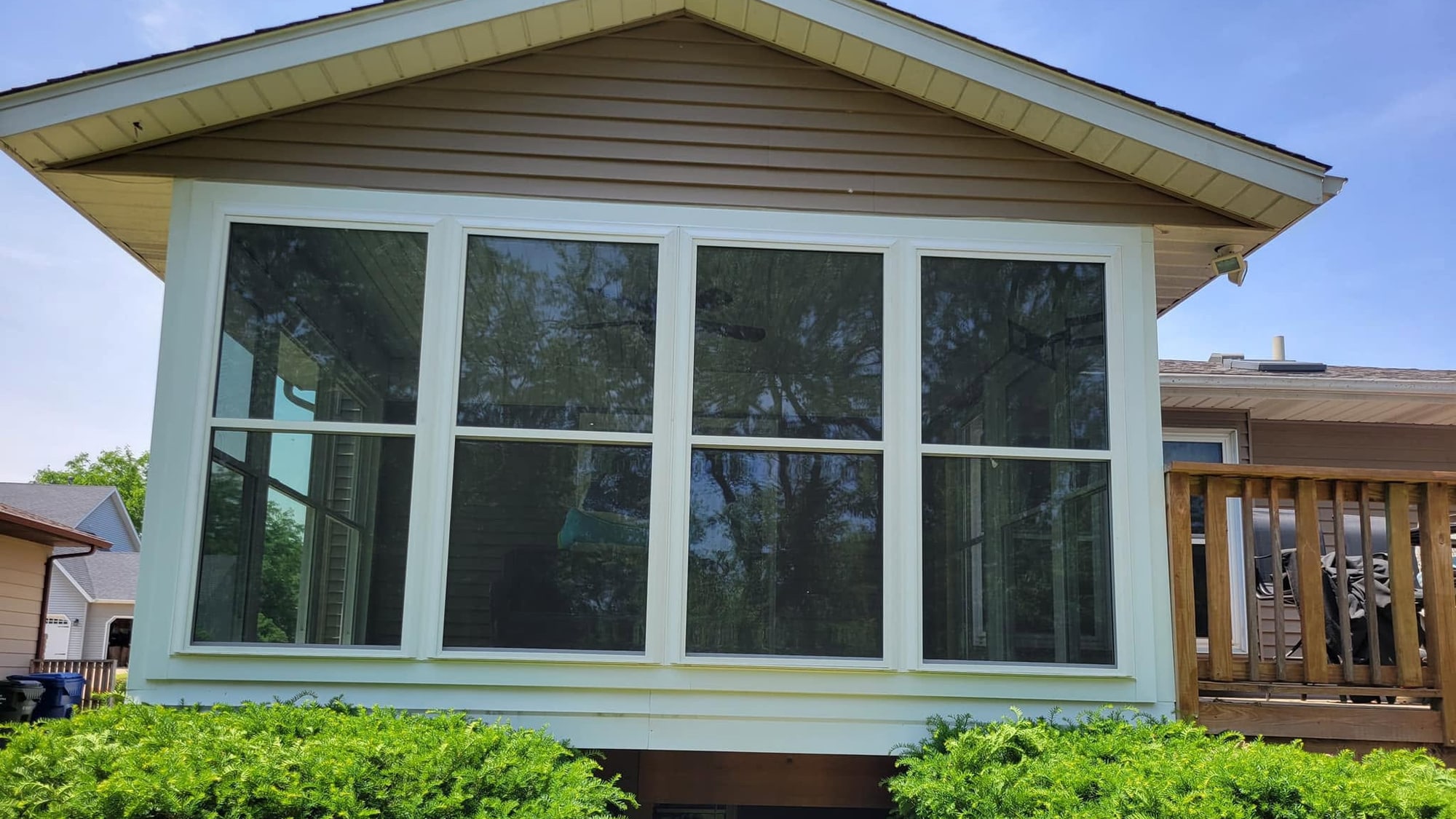
What's the Difference Between Pocket Replacement and Full-Frame Window Replacement?
If you're shopping for replacement windows in the Quad Cities, you'll likely hear two common installation terms: pocket replacement and full-frame replacement. While both methods can improve your home's appearance and energy efficiency, they are designed for different situations. Understanding the difference can help you choose the right solution for your home—and avoid expensive surprises down the road.
What Is a Pocket Replacement Window?
A pocket replacement, sometimes called an insert replacement window, is installed inside the existing window frame after the old operating sash and hardware have been removed. The original frame remains in place, provided it is structurally sound and free from significant deterioration.
Because the existing frame stays intact, installation is generally quicker and minimizes disruption to both the interior and exterior of the home.
Pocket Replacement May Be Appropriate When:
- The existing window frame is solid and square.
- There is no evidence of wood rot or water damage.
- The homeowner wants to preserve existing interior trim.
- The opening has remained structurally stable.
- The goal is an efficient upgrade with minimal disruption.
What Is a Full-Frame Replacement?
A full-frame replacement removes the entire existing window, including the frame, sash and related components, exposing the rough opening of the home. This allows the contractor to thoroughly inspect the structure before installing a completely new window system.
While this method requires more labor, it also provides the opportunity to correct hidden problems that would otherwise remain concealed behind the old frame.
Full-Frame Replacement Is Often Recommended When:
- Wood rot has damaged the existing frame.
- Water intrusion has affected the surrounding structure.
- The opening shows signs of structural movement.
- The homeowner wants maximum air sealing and insulation.
- The existing window was improperly installed.
- The project includes changing window size or style.
Pocket Replacement vs. Full-Frame Replacement
| Feature | Pocket Replacement | Full-Frame Replacement |
|---|---|---|
| Existing Frame | Remains in place | Completely removed |
| Inspect Rough Opening | Limited | Complete inspection possible |
| Repair Hidden Damage | Usually not possible | Yes |
| Installation Time | Generally shorter | Typically longer |
| Air Sealing Opportunity | Good | Excellent |
| Best For | Healthy existing frames | Damaged or aging openings |
Why the Window Opening Matters
The performance of a replacement window depends on much more than the glass itself. The surrounding opening plays a major role in keeping your home comfortable, dry and energy efficient.
A full-frame replacement allows installers to examine framing, insulation, flashing and moisture protection before the new window is installed. If hidden damage exists, repairs can be completed before the new window is sealed into place.
Darin Wilson's Expert Advice
"A pocket replacement is an excellent solution when the existing frame is still in great condition. But if we discover rot, water damage or structural movement, a full-frame replacement gives us the opportunity to repair the opening properly. We'd much rather fix the problem once than install a beautiful new window over hidden damage."
— Darin Wilson, Vice President, Suburban Construction
How Full-Frame Replacement Improves Energy Efficiency
When the entire opening is exposed, installers can add insulation where needed, improve air sealing around the perimeter and correct deficiencies left behind by previous installations.
Better Air Sealing
Seals gaps around the rough opening that may have existed for decades.
Improved Insulation
Helps reduce unwanted heat transfer around the entire window system.
Moisture Protection
Repairs damaged framing before new materials are enclosed.
Long-Term Performance
Creates a stronger foundation for decades of dependable operation.
Trusted Guidance from Darin Wilson and JR Girskis
For decades, Darin Wilson and JR Girskis have helped homeowners throughout Davenport, Bettendorf, Moline, Rock Island, East Moline, Eldridge, Le Claire and surrounding communities determine which replacement method is best for their homes.
Rather than recommending the same installation method for every project, they inspect each opening individually and explain the advantages of pocket replacement versus full-frame replacement based on the home's condition.
They also help homeowners compare ENERGY STAR® certified windows, NFRC performance ratings, Low-E glass packages, insulated glass options and frame construction so every project delivers lasting comfort, durability and energy efficiency.
A High Return on Investment Starts with the Right Installation
Replacement windows are among the best long-term home improvements because they improve comfort, increase curb appeal and can enhance resale value. However, those benefits depend on selecting the proper installation method.
✔ Long-Term Durability
Addressing hidden structural issues today can help prevent larger repairs later.
✔ Maximum Energy Efficiency
Proper insulation and air sealing help windows perform at their highest potential.
✔ Greater Home Value
Professionally installed windows improve both appearance and buyer confidence.
✔ Peace of Mind
Knowing the opening has been fully inspected and repaired provides lasting confidence.
Industry Perspective
"Proper installation and integration with the surrounding wall system are essential for achieving the expected performance of replacement windows."
— Fenestration & Glazing Industry Alliance (FGIA)
Bottom Line
Pocket replacement is an excellent option when the existing frame is solid, square and free of damage. However, when rot, water intrusion, structural movement or installation defects are present, a full-frame replacement is often the better long-term investment. Having the entire opening exposed allows hidden issues to be corrected while creating the best opportunity for superior air sealing, insulation and long-lasting window performance.
Share This Post
Share it on Facebook or X, or send it through your device share sheet for Instagram.
More Window Guides
From the Windows Learning Center — Comparisons