Should you replace siding when replacing windows? Learn when it makes sense to complete both projects together, how proper air sealing and flashing improve energy efficiency, and why expert installation protects your home's building envelope.
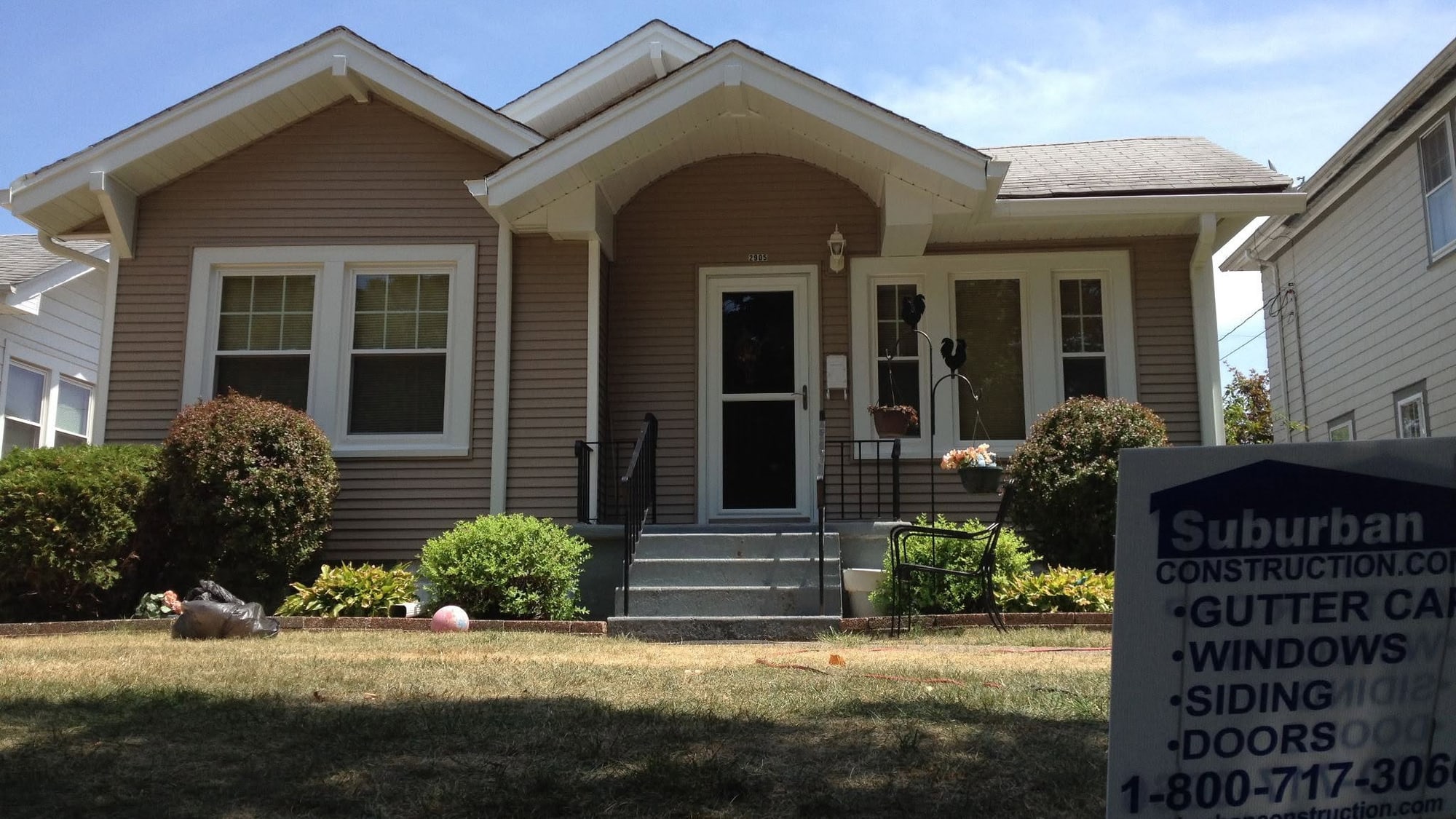
Should I Replace My Siding When I Replace My Windows?
It's one of the most common questions homeowners ask when planning an exterior renovation:
"Should I replace my siding at the same time as my windows?"
The answer depends on the age of your home, the condition of the existing siding and your long-term remodeling goals. While windows and siding can certainly be replaced separately, completing both projects together often provides the best opportunity to improve energy efficiency, weather protection, curb appeal and long-term value.
Why Windows and Siding Work Together
Your home's exterior functions as a complete weather-resistant system. Windows, siding, housewrap, flashing, insulation and sealants all work together to keep water out, reduce air leakage and improve energy efficiency.
If one component has reached the end of its life, it's often worth evaluating the condition of the surrounding materials before deciding whether to complete both projects at once.
Benefits of Replacing Windows and Siding Together
-
Improved Air Sealing
With siding removed, installers have better access to properly seal the rough opening around each window. -
Better Flashing Installation
Window flashing can be integrated more effectively with the home's weather-resistant barrier to help manage water. -
Continuous Insulation
The wall assembly can be upgraded with additional insulation where appropriate before new siding is installed. -
Cleaner Finished Appearance
New trim, siding and windows can be designed to complement one another without trying to match aging materials. -
One Remodeling Project
Homeowners avoid disturbing newly installed siding or trim later if windows are replaced afterward.
When Window Replacement Alone Makes Sense
Replacing only your windows can still be an excellent investment when the existing siding remains in good condition.
Window-Only Replacement May Be Best If:
- Your siding is relatively new.
- No moisture damage is present.
- The siding is structurally sound.
- You plan to replace siding years later.
- Your budget focuses on improving energy efficiency now.
Consider Both Projects Together If:
- Your siding is faded, cracked or damaged.
- You've experienced water intrusion.
- You're remodeling the entire exterior.
- You want maximum energy efficiency.
- You want the highest curb appeal.
What Happens During Window Installation?
Replacement windows are a high-trust purchase because the product and the installation are inseparable. Professional installation has a tremendous impact on long-term comfort, energy efficiency and weather resistance.
On Installation Day You Can Expect:
-
Interior Protection
Floors, furniture and nearby finishes are protected with drop cloths before work begins. -
Careful Window Removal
Existing windows are removed one opening at a time to help minimize disruption and maintain indoor comfort. -
Inspection of the Rough Opening
Installers inspect for moisture damage, wood rot, insulation deficiencies and structural concerns before installing the new window. -
Professional Insulation & Air Sealing
The perimeter of the new window is insulated and sealed to help reduce drafts, prevent moisture intrusion and improve energy efficiency. -
Trim, Testing & Cleanup
Interior and exterior trim are completed, every window is tested for smooth operation and locking performance, and the work area is thoroughly cleaned.
Energy Efficiency Depends on More Than the Window
Homeowners often focus on Low-E glass or ENERGY STAR® certification, but those are only part of the equation.
Long-term energy performance depends on the complete wall system, including:
✔ ENERGY STAR® Certified Windows
Built to meet performance requirements for Northern climate regions.
✔ Professional Air Sealing
Reduces winter heat loss and unwanted summer air infiltration.
✔ Proper Flashing
Helps direct water away from the window opening and wall assembly.
✔ Quality Siding System
Protects the structure while complementing the performance of the new windows.
What Does FGIA (Formerly AAMA) Say?
The American Architectural Manufacturers Association (AAMA), now part of the Fenestration and Glazing Industry Alliance (FGIA), develops performance standards for windows and installation practices that emphasize proper integration with the building envelope.
"Window performance depends not only on the manufactured product, but also on proper installation and integration with adjacent wall components to manage air and water infiltration."
— Adapted from FGIA guidance on fenestration installation and building envelope performance.
Darin Wilson's Expert Advice
"When we're helping a homeowner plan an exterior renovation, we don't automatically recommend replacing everything at once. We evaluate the siding, windows and wall condition together. If the siding still has years of life left, replacing just the windows may be the right decision. But if both products are aging, completing the projects together often provides the best opportunity to improve energy efficiency, weather protection and long-term value."
— Darin Wilson, Vice President, Suburban Construction
Why Quad Cities Homeowners Trust Darin Wilson and JR Girskis
For decades, Darin Wilson and JR Girskis have helped homeowners throughout Davenport, Bettendorf, Moline, Rock Island, East Moline, Eldridge, Le Claire and surrounding communities develop exterior remodeling plans that fit their homes, budgets and long-term goals.
Every consultation includes an evaluation of the home's existing windows, siding, insulation, trim and overall building envelope. Homeowners also receive guidance on ENERGY STAR® certified replacement windows, NFRC performance ratings, Low-E glass packages, insulated vinyl siding, composite cladding options and installation methods that maximize comfort and efficiency.
Rather than simply replacing products, Darin and JR help homeowners understand how each component works together to create a tighter, quieter, more energy-efficient home that performs well through Iowa winters and humid Midwest summers.
Replacing Windows and Siding Can Deliver Outstanding Return on Investment
When completed with quality products and expert installation, replacing windows and siding together can dramatically improve both your home's performance and appearance.
✔ Improved Energy Efficiency
Better insulation, tighter air sealing and modern window technology help reduce heating and cooling costs.
✔ Better Weather Protection
Proper flashing and siding integration help defend your home against moisture intrusion.
✔ Outstanding Curb Appeal
Coordinated windows, trim and siding create a cohesive, updated exterior.
✔ High Return on Investment
New windows and siding remain two of the most valuable exterior improvements, enhancing comfort, resale value and long-term durability.
Bottom Line
You don't always need to replace your siding when you replace your windows, but it's worth evaluating both systems together. If your siding is still in excellent condition, window replacement alone may be the right choice. If both are aging, replacing them together often creates better opportunities for air sealing, moisture management, energy efficiency and curb appeal. An experienced evaluation by professionals like Darin Wilson and JR Girskis can help you determine the approach that delivers the best long-term value for your Quad Cities home.
Share This Post
Share it on Facebook or X, or send it through your device share sheet for Instagram.
More Window Guides
From the Windows Learning Center — Common Questions