Should you replace soffit and fascia with new siding? Learn when it makes sense, the risks of skipping it, and why bundling work improves performance and appearance.
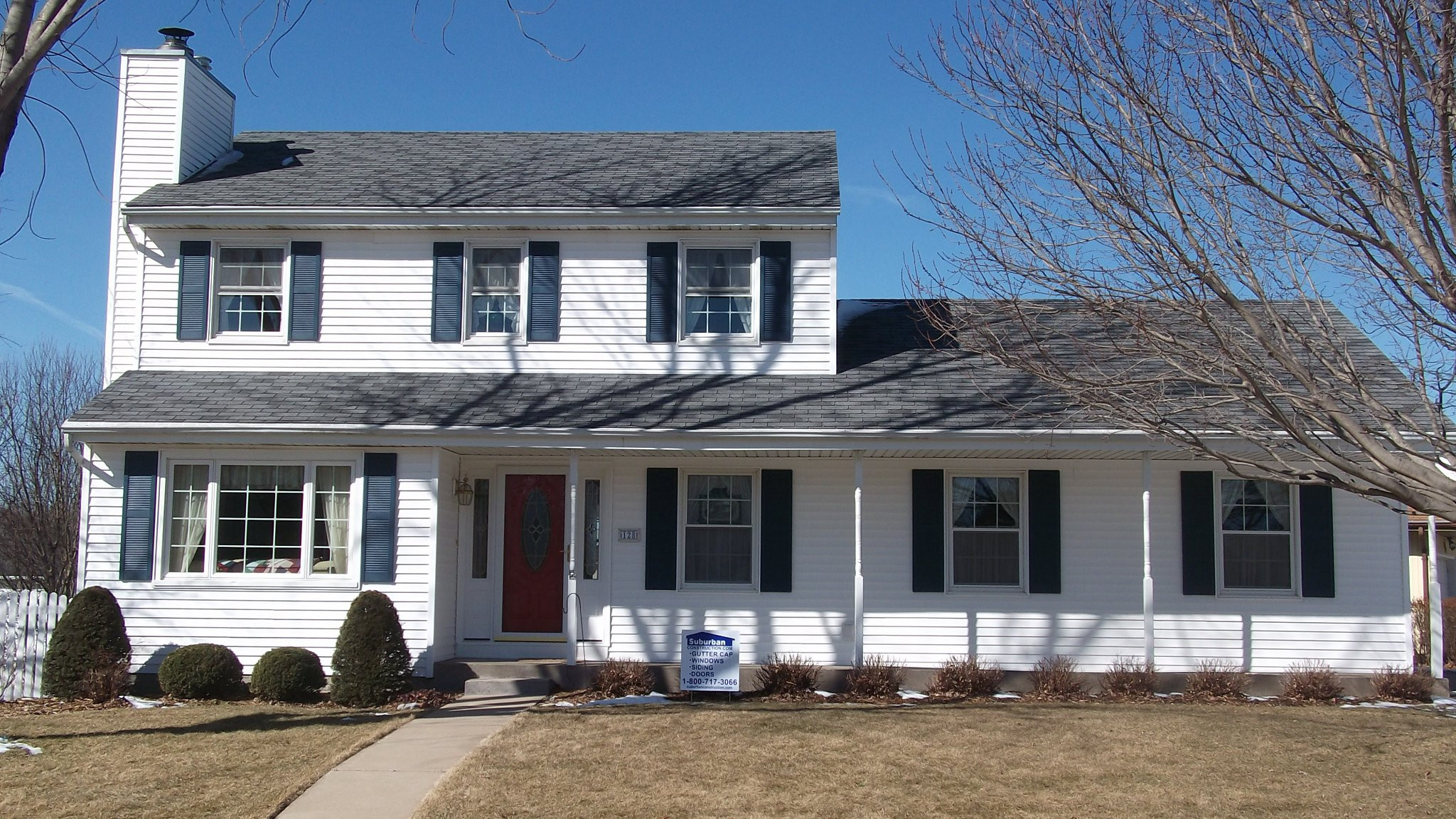
Exterior Systems
Should Soffit and Fascia Be Replaced With Siding?
By JR Girskis, Suburban Construction
Short answer: often yes—and in many cases, it should at least be seriously considered.
In the Quad Cities, siding projects rarely stand alone. Once siding is removed, you’re no longer just looking at walls—you’re exposing the entire edge of your home’s exterior system.
That’s where soffit and fascia move from background detail to critical component.
Why This Comes Up During Siding Projects
Soffit (underside of the roof overhang) and fascia (vertical edge board) are directly tied to how your siding performs.
Once siding is removed, common issues appear:
- Aging or deteriorating wood
- Poor or insufficient ventilation
- Outdated or improper flashing
- Hidden moisture or water damage
These problems are rarely visible beforehand—which is why the decision often surfaces mid-project.
Why Replacing Them Together Makes Sense
This isn’t about upselling—it’s about completing the system correctly.
Performance Benefits
- Continuous sealed exterior
- Improved attic ventilation
- Proper water management at roofline
Visual Benefits
- Clean, consistent roof edge
- Unified materials and finish
- Better integration with gutters
You end up with one cohesive system—not a mix of old and new components.
The Risk of Leaving Old Soffit and Fascia
Keeping existing components may save money upfront—but it creates long-term issues.
Common risks:
- Mismatched appearance with new siding
- Ongoing ventilation or moisture problems
- Future tear-out of new siding to fix old materials
- Weak points at the roofline for water intrusion
The roof edge is one of the most vulnerable areas on your home—this is not where shortcuts pay off.
When Replacement Is the Right Call
In some cases, replacing soffit and fascia isn’t optional—it’s the correct move.
- Visible rot, peeling paint, or soft wood
- Poor attic ventilation or moisture buildup
- Older homes with outdated materials
- Projects already upgrading trim and exterior details
At that point, leaving them in place usually just delays future work.
Why Bundling Work Produces Better Results
Siding should be treated as part of a full exterior system—not a standalone upgrade.
Common Bundled Work
- Soffit and fascia
- Trim updates
- Gutters and downspouts
Structural Improvements
- Flashing upgrades
- Wood repair
- Moisture protection fixes
Handling everything together produces a cleaner, stronger, longer-lasting result.
The Bottom Line
Yes, you can replace siding without touching soffit and fascia—but in many homes, it’s not the best long-term decision.
Siding projects expose the true condition of your exterior. The smartest move is to fix everything at once—not piece it together later.
If your goal is long-term performance and a clean, cohesive look, bundling soffit and fascia with siding is usually the better call.
Share This Post
Share it on Facebook or X, or send it through your device share sheet for Instagram.
More Siding Guides
From the Siding Learning Center — Common Questions