Should you repair or replace damaged vinyl siding? Learn when one or two panels can be repaired, when brittle or discontinued siding should be replaced, and how hidden water damage, color matching, and repeated repairs affect the decision.
Vinyl Siding Repair and Replacement Guide
```Should You Repair or Replace Damaged Vinyl Siding?
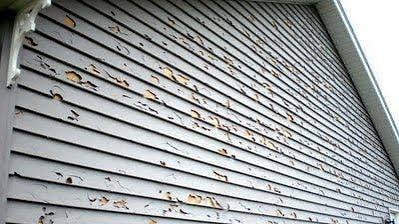
Damaged vinyl siding does not always mean the entire exterior needs to be replaced. Small cracks, isolated storm damage, or one loose panel can often be repaired. Replacement becomes more practical when damage is widespread, the siding is brittle, matching material is unavailable, or moisture has reached the wall behind the panels.
```The right decision depends on the age and condition of the existing siding, the cause of the damage, the number of affected panels, color and profile availability, and whether the underlying wall remains sound.
```A careful inspection should look beyond the visible panel. Housewrap, flashing, sheathing, starter strip, corner posts, J-channel, mounting blocks, and nearby windows or roof intersections may also need attention.
```The Simple Answer
```Repair usually makes sense when the damage is limited and the surrounding siding is still flexible, secure, and easy to match.
Replacement may be the better long-term choice when multiple areas are damaged, the product has been discontinued, repairs are becoming frequent, or the siding can no longer be removed without cracking.
The goal is not simply to make the wall look better. The repair or replacement should restore proper attachment, drainage, movement, and weather protection.
```Repair vs. Replacement at a Glance
```| Condition | Repair May Make Sense | Replacement May Make Sense |
|---|---|---|
| One or two damaged panels | Yes, if matching material is available. | Only if the surrounding siding is brittle or incompatible. |
| Storm damage across several walls | Possible if damage is isolated to a limited number of panels. | Often more practical if multiple elevations are affected. |
| Discontinued siding | Possible with relocated original panels or a close match. | Consider replacing a full wall if matching is unacceptable. |
| Brittle siding | Limited repairs may become difficult. | Replacement is often more reliable. |
| Hidden water damage | Repair only after the wall damage is corrected. | Broader replacement may be needed if moisture damage is extensive. |
When Vinyl Siding Repair Is the Better Choice
```A targeted repair is often the most economical option when the problem is small and the rest of the exterior is performing well.
- One or two panels are cracked or missing.
- A loose panel still has an intact locking edge.
- The siding is relatively new and remains flexible.
- The original product or a compatible profile is available.
- Color differences are minimal or acceptable.
- The housewrap, flashing, and sheathing are undamaged.
- The damage was caused by a known isolated impact.
When Replacement Is the Better Long-Term Choice
```Repeated repairs can eventually become less practical than replacing a larger section or the complete siding system.
- Several walls have wind or hail damage.
- The siding cracks when panels are unlocked.
- Multiple locking edges are broken or stretched.
- The original profile has been discontinued.
- Color fading makes spot repairs highly visible.
- Fastening or installation problems affect large areas.
- Water damage extends into sheathing or framing.
- Repair costs are becoming repetitive.
Color Matching Can Change the Decision
```One of the biggest challenges with vinyl siding repair is finding a replacement that matches the existing wall. Even when the original color is still available, years of sunlight and weather exposure can change the appearance of the installed siding.
If an exact match is unavailable, a contractor may move an original panel from a less visible area of the home and install the closest current replacement in that location.
When several mismatched patches would be visible from the street, replacing one complete elevation may produce a cleaner result.
```Age Matters, But Condition Matters More
```Older siding is not automatically ready for replacement. Many installations remain serviceable for decades when the panels, locks, fasteners, flashing, and wall system are still in good condition.
The concern is when age is combined with brittleness, repeated storm damage, discontinued products, loose fasteners, fading, or hidden moisture problems.
A 25-year-old wall with one cracked panel may be a good repair candidate. A 15-year-old wall with widespread installation errors may require broader correction.
```Storm Damage Often Requires a Broader Inspection
```Wind and hail can damage more than the visible face of the siding. Locking edges, nail hems, corner posts, J-channel, soffit, fascia, mounting blocks, gutters, and flashing may also be affected.
Before deciding whether to repair or replace, inspect all storm-facing elevations and compare the condition of the surrounding panels.
If the loss may be covered by homeowners insurance, document the damage before repairs begin and review the policy, deductible, exclusions, and claim procedures.
```Hidden Water Damage Can Change a Small Repair Into a Larger Project
```A cracked or missing panel may appear to be a simple repair until the siding is removed. If the housewrap is torn, flashing is missing, or the sheathing is wet or deteriorated, the underlying wall should be repaired before the siding is reinstalled.
Covering damaged sheathing or wet insulation may conceal the problem and allow rot or mold-related conditions to continue.
The best repair restores the complete wall system, not only the visible surface.
```Questions to Ask Before Choosing Repair or Replacement
```- How many panels are actually damaged?
- Is the surrounding siding still flexible?
- Can the original profile still be sourced?
- Will the replacement color blend acceptably?
- Is the locking system still intact?
- Is the damage isolated or caused by a larger installation problem?
- Is there moisture damage behind the siding?
- How much have previous repairs already cost?
- Would one complete wall provide a better appearance?
- How long do you expect to remain in the home?
Do Not Replace Good Siding Just Because One Panel Is Damaged
```Vinyl siding is designed so individual panels can be unlocked and replaced. When the surrounding material remains sound, replacing one or several damaged sections can be a reasonable and cost-effective repair.
A contractor should be able to explain why complete replacement is necessary rather than recommending it automatically.
```Do Not Keep Repairing a Failing System Forever
```The opposite is also true. If the siding repeatedly blows loose, cracks during handling, cannot be matched, or hides recurring water damage, continued spot repair may only postpone a larger project.
Replacing an entire elevation can sometimes solve fastening, drainage, color, and accessory problems at the same time.
Full replacement may provide better value when several walls are nearing the same condition.
```Repair May Be Best When
```- Damage is isolated.
- The siding is still flexible.
- A compatible panel can be sourced.
- The color difference is acceptable.
- The wall underneath is dry and sound.
- The original installation is otherwise correct.
- The repair cost is reasonable compared with replacement.
Replacement May Be Best When
```- Damage affects several walls.
- The siding is brittle or heavily faded.
- Replacement panels are discontinued.
- Repeated repairs keep failing.
- Installation problems are widespread.
- Water damage extends behind large sections.
- The homeowner wants a major exterior update.
```“The first question should not be ‘How quickly can we replace all of it?’ It should be ‘How much of the siding is actually damaged, and what condition is the wall underneath?’ Good siding can often be repaired. When the panels are brittle, discontinued, repeatedly failing, or hiding water damage, replacement becomes the better long-term decision.”
```
Get an Inspection Before Making the Decision
```An experienced siding contractor should inspect the complete damaged area, identify the product, evaluate the surrounding panels, and check the concealed wall when necessary.
Ask for both options when possible. A clear repair estimate and a replacement estimate make it easier to compare immediate cost with long-term value.
The best recommendation should be based on the actual condition of the home rather than a one-size-fits-all sales approach.
```Repair or Replace? Start With a Professional Inspection
```If your vinyl siding is cracked, loose, faded, storm-damaged, or repeatedly coming off the wall, an inspection can help determine whether a targeted repair is enough or a larger replacement makes better sense.
Schedule a free siding inspection with Suburban Construction today.
```Technical note: Repair and replacement decisions vary according to product age, profile availability, color matching, installation quality, wall condition, storm exposure, hidden moisture damage, and homeowner expectations. This article provides general educational information and does not replace an on-site inspection or current manufacturer specifications.
Share This Post
Share it on Facebook or X, or send it through your device share sheet for Instagram.