Should you upgrade attic ventilation during siding replacement? Learn why soffit and fascia matter in Quad Cities homes.
Performance & Ventilation
Should I Upgrade Attic Ventilation During a Siding Job?
By JR Girskis
4–5 minute read
Short answer: often yes—and in many Quad Cities homes, it’s one of the smartest upgrades you can make while the exterior is already opened up.
Siding projects expose parts of your home you normally never see. That includes soffit, fascia, and the airflow system feeding your attic. If there’s ever a time to fix ventilation issues, it’s during a siding replacement—not after everything is sealed back up.
Why Attic Ventilation Matters More Than You Think
Your attic isn’t just empty space—it’s part of your home’s performance system.
Proper ventilation helps:
- Control moisture buildup
- Reduce heat accumulation in summer
- Prevent mold and wood rot
- Extend roof and structural lifespan
Without balanced airflow, your attic traps heat and moisture—both of which accelerate damage over time.
Why This Is Critical in the Quad Cities
In Davenport, Bettendorf, Moline, and Rock Island, your home deals with both extremes:
- Humid summers that push moisture into the attic
- Cold winters that create condensation and frost
- Freeze/thaw cycles that stress materials
Poor ventilation doesn’t just reduce efficiency—it creates long-term structural risk.
The Role of Soffit and Fascia
This is where siding projects connect directly to ventilation.
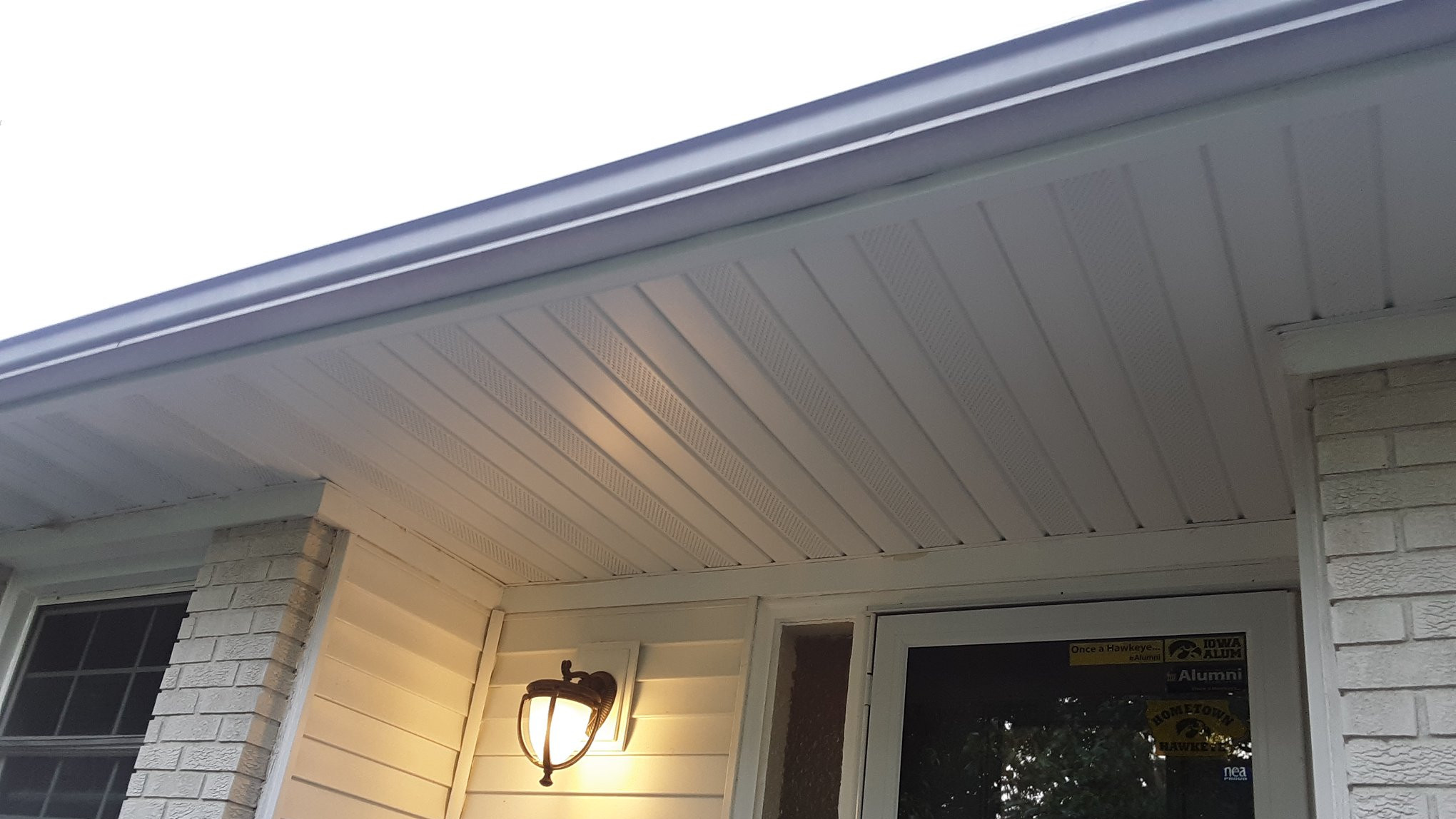
Soffit (the underside of your roof overhang) is where fresh air enters the attic. Fascia (the vertical edge board) ties the system together and supports gutters and trim.
During a siding job, contractors often find:
- Blocked or insufficient soffit vents
- Old wood soffits with poor airflow design
- Moisture damage or rot at the roofline
- Improper or outdated ventilation setup
These issues are hidden until the siding comes off—which is why they’re often missed unless you address them during the project.
Why Bundling This Work Makes Sense
Trying to upgrade ventilation after siding is installed creates more work—and more cost.
Handling it during siding replacement allows for:
- Full access to soffit and fascia areas
- Clean integration with trim and siding
- Proper airflow design from the start
- One timeline instead of multiple projects
It’s not just more efficient—it produces a better-performing system.
When You Should Strongly Consider an Upgrade
Not every home needs major changes—but many do.
Upgrade is recommended if you have:
- Older home with minimal ventilation design
- Signs of moisture or mold in the attic
- Ice dam history or uneven roof wear
- Blocked or damaged soffit vents
If you’re already investing in siding, ignoring these issues is usually short-term thinking.
The Bigger Picture: Exterior Systems, Not Just Siding
This ties into a larger principle: your home doesn’t perform in pieces.
Siding projects are the ideal time to evaluate and bundle related upgrades:
- Soffit and fascia replacement
- Gutter alignment and upgrades
- Flashing improvements
- Repair of any rotten or damaged wood
When these elements are handled together, the result is cleaner, more durable, and built to last.
The Bottom Line
Yes—you should strongly consider upgrading attic ventilation during a siding project, especially in the Quad Cities climate.
Soffit and fascia aren’t just trim—they’re critical to airflow, moisture control, and long-term durability.
If the exterior is already opened up, it’s your best opportunity to fix what’s hidden. Do it now, and you improve how your entire home performs—not just how it looks.
Share This Post
Share it on Facebook or X, or send it through your device share sheet for Instagram.
More Siding Guides
From the Siding Learning Center — Installation