What causes seal failure in insulated glass units? Learn why window seals fail, how it affects energy efficiency, and when replacing the glass or the entire window is the best solution for Quad Cities homeowners.
What Causes Seal Failure in Insulated Glass Units?
One of the biggest concerns homeowners have after noticing foggy windows is whether the insulated glass seal has failed. While insulated glass units (IGUs) are engineered to provide decades of dependable performance, no sealed glass system lasts forever. Understanding why seals fail can help homeowners make informed decisions about repair, replacement and long-term maintenance.
Throughout Davenport, Bettendorf, Moline, Rock Island and the surrounding Quad Cities, replacement windows are exposed to freezing winters, humid summers, driving rain and dramatic temperature swings. Quality manufacturing, professional installation and proper maintenance all play important roles in helping insulated glass units perform for many years.
What Is an Insulated Glass Unit (IGU)?
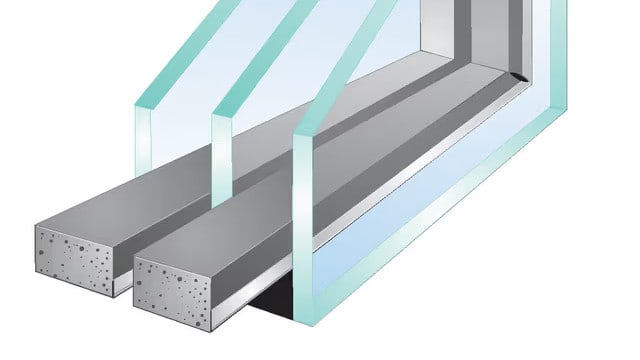
Modern replacement windows typically use an insulated glass unit consisting of two or three panes of glass separated by a spacer system and permanently sealed around the perimeter. The sealed space often contains argon or another insulating gas that improves thermal performance while helping reduce heat transfer through the glass.
When the perimeter seal eventually fails, outside air and moisture can enter the space between the panes. As the insulating gas escapes and humidity enters the unit, condensation or a cloudy appearance may develop between the glass where it cannot be cleaned from either side.
What Causes Seal Failure?
Seal failure usually occurs because several factors gradually work together over many years.
-
Age and Normal Wear
Like roofing shingles or weatherstripping, insulated glass seals naturally age over time. -
Seasonal Expansion and Contraction
Constant heating and cooling cycles cause glass, spacers and frame materials to expand and contract. Over many years, this movement places stress on the perimeter seal. -
Extreme Midwest Weather
Quad Cities homes experience freezing winters, hot summers, strong winds and heavy rain, all of which contribute to long-term stress on insulated glass systems. -
Ultraviolet (UV) Exposure
Long-term exposure to sunlight can gradually affect seal materials over decades of service. -
Manufacturing Quality
Premium manufacturers invest in advanced spacer systems, sealants and quality-control testing that help maximize the lifespan of insulated glass units. -
Improper Installation
Windows installed out of square or under excessive structural stress may place unnecessary strain on the insulated glass unit and surrounding frame.
How Does Seal Failure Affect Energy Efficiency?
Once the perimeter seal has failed, the insulated glass unit no longer performs exactly as it was designed. Although the window may still protect against rain and wind, the insulating gas may be reduced over time and moisture can interfere with visibility and thermal performance.
During Winter
- Greater heat transfer through the glass.
- Cooler interior glass surfaces.
- Reduced comfort near windows.
- Higher heating demands.
During Summer
- Increased solar heat gain.
- Higher cooling demand.
- Less effective indoor temperature control.
- Greater impact from outdoor humidity.
Can Seal Failure Be Prevented?
No insulated glass unit lasts forever, but selecting quality products and ensuring professional installation can significantly improve long-term performance.
Homeowners can maximize window life by:
- Choosing windows from reputable manufacturers.
- Selecting ENERGY STAR® certified products appropriate for the Northern Climate Zone.
- Working with experienced installation professionals.
- Maintaining exterior caulking and drainage systems.
- Inspecting windows periodically for early signs of moisture intrusion or operating problems.
Why Professional Installation Matters
Replacement windows are a complete system, not simply a piece of insulated glass. Even the highest-quality insulated glass unit depends on proper installation to perform as intended.
Professional installers inspect the rough opening, verify structural conditions, install proper insulation, complete interior and exterior air sealing and ensure the window is level, square and fully supported. Proper installation reduces unnecessary stress on the frame while helping maximize energy efficiency throughout the life of the window.
Professional installation includes:
- Accurate field measurements.
- Inspection of the rough opening.
- Proper leveling and shimming.
- Perimeter insulation.
- Interior and exterior air sealing.
- Final inspection and operational testing.
What Does FGIA (Formerly AAMA) Say?
The American Architectural Manufacturers Association (AAMA), now part of the Fenestration and Glazing Industry Alliance (FGIA), develops widely recognized performance standards for residential windows. These standards evaluate complete window systems for structural performance, air leakage, water penetration resistance and durability under laboratory conditions.
"Properly manufactured and installed window systems are designed to provide long-term resistance to air infiltration, water penetration and structural loading while maintaining reliable performance throughout their service life."
— Adapted from FGIA (formerly AAMA) guidance on window system performance and durability.
Darin Wilson's Expert Advice
"A fogged window is usually telling us the insulated glass seal has reached the end of its life—but that's only part of the story. We inspect the frame, hardware, weatherstripping and installation before recommending a repair or replacement. Sometimes replacing the glass makes sense, while other times a modern ENERGY STAR® window provides better comfort, lower utility bills and greater long-term value."
— Darin Wilson, Vice President, Suburban Construction
Why Quad Cities Homeowners Trust Darin Wilson and JR Girskis
For decades, Darin Wilson and JR Girskis have helped homeowners throughout Davenport, Bettendorf, Moline, Rock Island, East Moline, Eldridge, Le Claire and surrounding communities evaluate window performance based on facts—not guesswork.
Every consultation includes an assessment of insulated glass condition, frame integrity, weatherstripping, installation quality and overall energy performance. They also educate homeowners about ENERGY STAR® certification, NFRC ratings, Low-E coatings, argon-filled glass packages and proper installation techniques that help maximize the lifespan of replacement windows.
Their goal is to recommend the solution that delivers the best long-term comfort, energy savings and return on investment for each homeowner—not simply replace windows that may still have years of useful life.
Quality Windows Deliver Outstanding Long-Term Value
Investing in professionally installed, high-quality replacement windows helps protect your home for decades while improving comfort and efficiency.
✔ Better Energy Efficiency
Modern Low-E glass and insulated glazing help reduce heat transfer year-round.
✔ Improved Comfort
Reduce drafts during winter and help control humidity during Midwest summers.
✔ Long-Term Durability
Quality materials and expert installation help maximize the lifespan of insulated glass units.
✔ High Return on Investment
Energy-efficient replacement windows remain one of the most valuable exterior improvements for comfort, resale value and curb appeal.
Bottom Line
Seal failure in insulated glass units is usually caused by a combination of age, temperature changes, weather exposure and normal material wear—not a single event. While some fogged windows can be repaired by replacing the insulated glass unit, others benefit from complete window replacement, especially if they are older, drafty or less energy efficient. Working with experienced professionals like Darin Wilson and JR Girskis ensures you receive an honest evaluation and a solution that improves comfort, lowers energy costs and delivers lasting value.
Share This Post
Share it on Facebook or X, or send it through your device share sheet for Instagram.
More Window Guides
From the Windows Learning Center — Problems & Repairs