Find the best siding for freeze-thaw climates and why vinyl performs well in Quad Cities weather conditions.
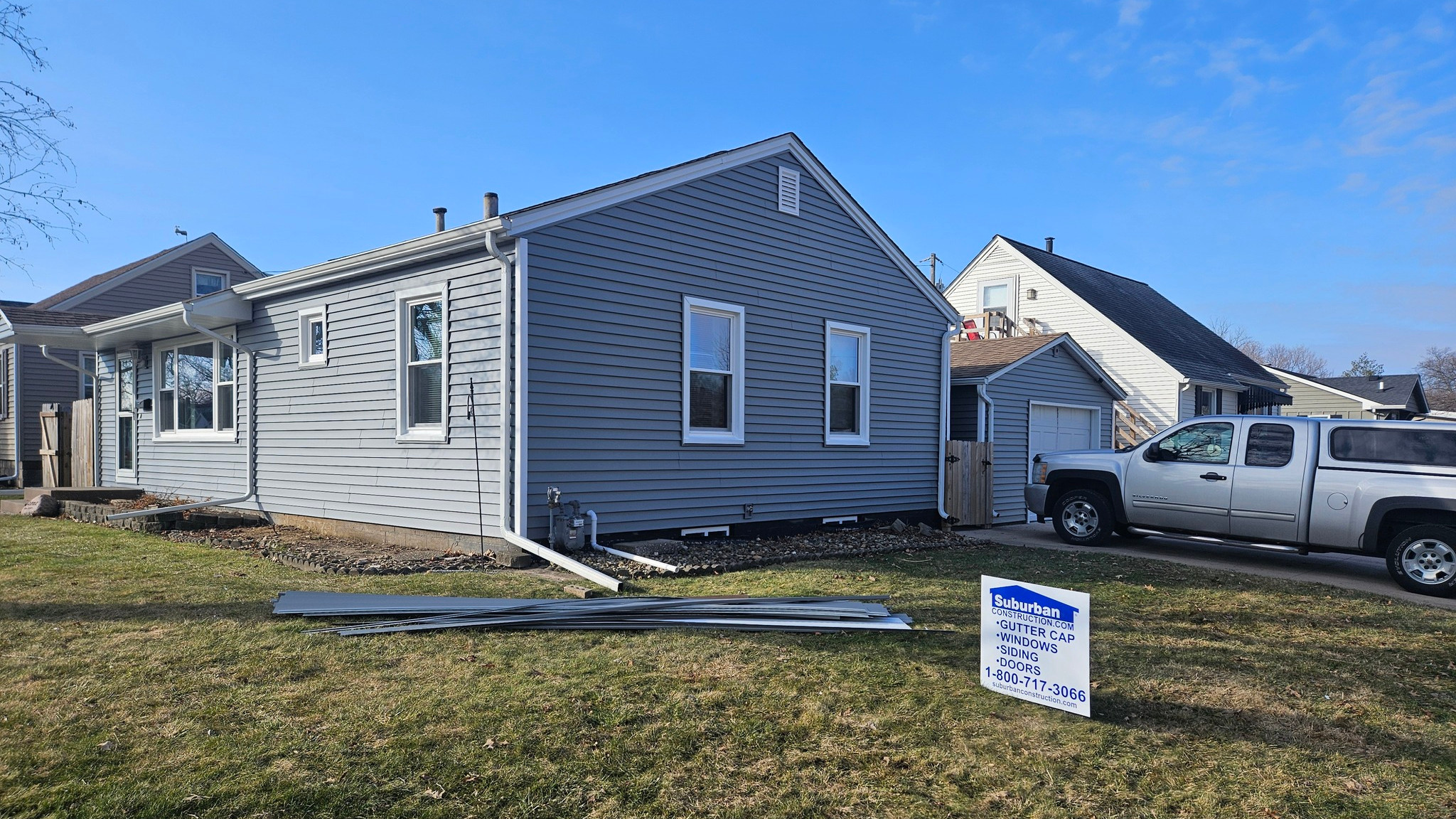
Climate Performance
What Is the Best Siding for Freeze-Thaw Weather?
By JR Girskis
5 minute read
Short answer: the best siding for freeze-thaw weather is one that can handle movement, resist moisture, and require minimal upkeep—vinyl siding consistently checks those boxes in the Quad Cities.
In areas like Davenport, Bettendorf, Moline, and Rock Island, siding isn’t just about looks. Homes deal with freezing winters, humid summers, rapid temperature swings, strong winds, and periodic hail. That combination creates constant expansion and contraction, which is where many materials start to fail.
What Freeze-Thaw Cycles Actually Do to Siding
Freeze-thaw damage isn’t just about cold—it’s about repeated stress.
Materials are tested by:
- Expansion in heat and contraction in cold
- Moisture entering small cracks and freezing
- Repeated cycles that widen gaps and weaken structure
Over time, rigid or moisture-sensitive materials tend to crack, warp, or deteriorate under this pressure.
Why Vinyl Siding Performs Well in These Conditions
Vinyl siding is designed to move—and that’s a major advantage in freeze-thaw climates.
Key benefits include:
- Flexibility to expand and contract without cracking
- No moisture absorption (won’t rot or swell)
- Low maintenance with no repainting required
- Resistance to typical Midwest weather conditions
In the Quad Cities, that combination makes vinyl one of the most reliable long-term options.
How It Compares to Other Materials
Different siding materials respond very differently to freeze-thaw stress.
Wood & Engineered Wood
- Can absorb moisture
- More vulnerable to cracking and rot
- Requires ongoing maintenance
Fiber Cement
- Very durable but more rigid
- Can crack if installation or movement isn’t handled correctly
- Higher labor and maintenance considerations
These materials can perform well—but they leave less margin for error compared to vinyl.
Why Installation Matters More Than Material
Even the best siding will fail if it’s installed incorrectly.
Proper installation includes:
- Allowing space for expansion and contraction
- Correct fastening (not too tight)
- Proper house wrap and moisture barriers
- Clean flashing around windows and doors
Freeze-thaw conditions expose shortcuts quickly—especially around seams, trim, and transitions.
Comfort, Durability, and Resale Impact
Choosing the right siding affects more than durability.
- Reduces risk of moisture intrusion
- Helps maintain a tighter exterior envelope
- Creates a cleaner, more consistent appearance
- Improves buyer confidence at resale
In the Quad Cities market, buyers tend to favor homes that show durability and low maintenance—especially after harsh winters.
The Bottom Line
The best siding for freeze-thaw weather is one that can handle movement, resist moisture, and hold up over repeated seasonal stress.
Vinyl siding remains one of the strongest fits for Quad Cities homes because it balances durability, cost, and low maintenance in a demanding climate.
But the real deciding factor isn’t just the material—it’s how the entire system is installed. In this region, that’s what determines whether your siding lasts decades or starts failing early.
Share This Post
Share it on Facebook or X, or send it through your device share sheet for Instagram.
More Siding Guides
From the Siding Learning Center — Materials & Products