Modern homebuyers are redefining property value by prioritizing move-in-ready condition, lower ownership costs, practical layouts, climate resilience, and technology-ready features. Learn what these shifts mean for homeowners and real estate investors.
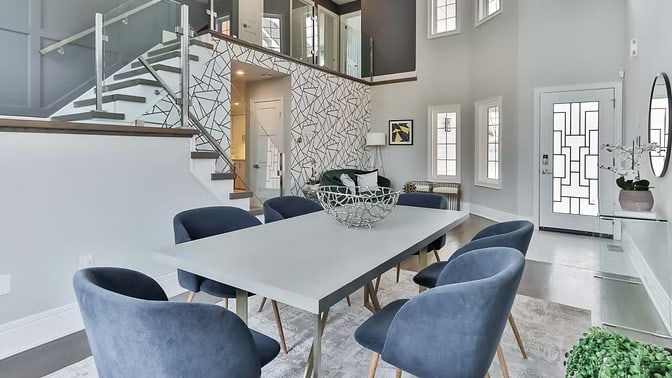
For decades, people judged a home's value by its location, size, and the number of bedrooms. Those were the main things buyers looked at, and many investors built their decisions around them. Today, buyers pay attention to much more than that.
If you invest in residential real estate, these changing priorities are worth paying attention to. A property's value always comes down to what buyers are willing to pay, and what they're willing to pay for has changed.
The five shifts below show what modern homebuyers value most today and how those changes can influence the long-term value of your investment.
Ask today's buyers what they want most, and the answer isn't more space or a better address. Because a survey shows that more than half of buyers ranked the home's condition as the most important factor in their entire search, with 56.1% saying a move-in ready home requiring no repairs was very important to them.
Previous generations were happy to buy dated homes and renovate them over time. Today, buyers know that building material costs have risen by around 30% since 2021, with some materials increasing even more. That has made many fixer-uppers far less appealing because the savings on the purchase price often disappear once the renovation begins.
If you invest in real estate, this changes how you should look at every deal. A home that's clean, updated, and ready to move into is more likely to attract buyers and sell for a better price. On the other hand, a home that needs a lot of work has to be priced much lower than it did a few years ago. Fewer buyers are willing to take on expensive renovations, which means those properties are harder to sell unless the discount is big enough.
Buyers used to focus mostly on the purchase price. Today, they also look at how much it will cost to own the home every month.
Insurance has become one of the biggest factors. As premiums continue to rise, buyers have realized that two similar homes can come with very different monthly costs. A house with higher insurance premiums can end up costing thousands of dollars more over the years, so many buyers now look at those costs before making an offer.
Energy bills matter too. Features like energy-efficient windows, a modern heating and cooling system, good insulation, and solar panels help keep monthly expenses lower. That makes a home more attractive because the savings continue every month.
Property taxes are another part of the decision. Buyers often compare tax rates between different areas because higher taxes can make a home much more expensive to own over time.
Construction quality plays a role in those monthly costs as well. According to JR Girskis, President at Suburban Construction Inc, “A well-built home usually costs less to own because the major systems and materials hold up better over time. Good insulation, quality windows, proper roofing, and solid workmanship don't just improve the home on day one. They help reduce repairs, lower energy use, and give buyers more confidence that unexpected costs won't show up soon after moving in.”
A few years ago, most buyers didn't spend much time thinking about floods, wildfires, or extreme weather before buying a home. Today, those questions are part of the decision. Buyers want to know how safe a home is, whether insurance will be affordable, and how well the property can handle future weather risks.
Sellers have noticed this change too. More homes are being advertised with features like flood protection, fire-resistant materials, backup power, and other upgrades that help protect the property during severe weather. These features have become real selling points because they can lower future costs and give buyers more confidence.
The same shift is happening with the systems buyers can't always see during a showing. Adam D. Smith, Owner & Plumber of Owen & Sons Plumbing, believes a home's plumbing and drainage deserve just as much attention as its finishes. “Water is responsible for some of the most expensive damage a home can face. Buyers should look beyond fresh paint and updated fixtures to see whether the drainage, plumbing, and water protection systems have been properly maintained. A home that's ready for heavy rain or unexpected plumbing problems often saves its owner far more money over time.”
This is changing how people think about property value. Homes in areas with higher climate risks may become harder to sell if insurance is expensive or difficult to get. On the other hand, homes that are built to handle local weather conditions are often more attractive because buyers see them as a safer long-term investment.
If you're buying or investing today, look beyond the kitchen or the number of bedrooms. Think about how well the home can handle the challenges of the area and whether it will still be affordable to own years from now. Those are the things future buyers are likely to care about too.
There was a time when more square footage almost always meant more value. Today, buyers look beyond the size and ask whether the space is practical for the way they live.
Remote and hybrid work drove the first wave of this thinking. A genuine home office with a door, natural light, and reliable internet now carries real value because millions of people work from home for at least part of the week. A four-bedroom home where one room works well as an office often appeals more than a larger home with no dedicated workspace.
Buyers want flexibility too. A spare room that works as a home office today and a nursery tomorrow is often worth more than a room with only one purpose. Outdoor spaces, small workout areas, and quiet corners to relax have become features many buyers actively look for.
That shift reflects a bigger change in how people evaluate a property. Bill Sanders, from CocoFinder has found that buyers are spending more time researching homes before making a decision, paying closer attention to how a property fits their everyday lives instead of focusing only on its size.
He also adds, “The information people look for has changed. Buyers still compare square footage, but they're just as interested in how the home will work for their daily routine. A flexible layout, a dedicated workspace, and practical living areas often leave a stronger impression than extra space that doesn't have a clear purpose.”
The layout matters just as much as the size. A well-designed home often feels more comfortable and practical than a larger one with wasted space. Buyers picture themselves living there, so they care more about how a home works than how many square feet it has.
Almost every buyer today begins their search online, which means a property's first showing happens on a screen. And buyers have started treating what they find there as evidence of quality.
Homes presented with professional photography, accurate 3D tours, and floor plans attract dramatically more attention — listings with 3D tours generate 87% more views than those without. But the redefinition goes deeper than marketing.
Buyers now expect the home itself to be technology-ready — strong internet infrastructure, smart thermostats, video doorbells, and connected security have moved from novelty to expectation.
A home that lacks these basics doesn't just miss a selling point, it signals age and neglect to the very audience most likely to pay a premium. Meanwhile, modest investments in connectivity and smart features punch far above their cost at sale time, because they align the property with how buyers actually live.
Modern buyers value a home for what it costs to own, how it protects them, what it enables them to do, and how ready it is for their life. The old formula hasn't disappeared — location and size still matter. But they've become the entry ticket just.
The properties earning premiums today are the ones that answer the questions modern buyers actually ask. So buy and build what buyers are becoming, not what they used to be. The investors who internalize the new definition of value will keep selling into strong demand, while the ones still counting bedrooms wonder why their formula stopped working.
https://www.elevatedmagazines.com/single-post/how-modern-homebuyers-are-redefining-what-makes-a-property-worth-investing-in
Share This Post
Share it on Facebook or X, or send it through your device share sheet for Instagram.