NFRC window ratings help Quad Cities homeowners compare performance. Learn how U-factor, SHGC, and air leakage impact comfort and efficiency.
Window Ratings & Performance
What NFRC Ratings Should I Look for in the Quad Cities?
By Darin Wilson
NFRC ratings matter because they give you a consistent way to compare window performance—not just marketing claims. These labels translate directly into how your home feels in winter, summer, and everything in between.
In the Quad Cities, where cold winters and humid summers both matter, the right balance of ratings can improve comfort, reduce drafts, and manage sunlight effectively.
As Darin Wilson often explains, “The label isn’t just numbers—it’s a preview of how that window will feel in your home on a cold January morning.”
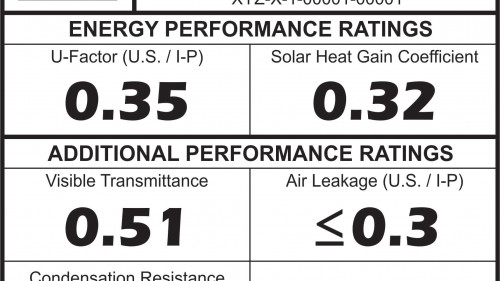
The Key NFRC Ratings Explained
- U-Factor: Measures heat loss. Lower numbers mean better insulation.
- Solar Heat Gain Coefficient (SHGC): Measures how much solar heat enters. Lower reduces summer heat gain.
- Visible Transmittance (VT): Measures how much natural light comes through.
- Air Leakage (AL): Measures how much air passes through the window assembly.
What Those Numbers Mean for Comfort
Instead of focusing on the numbers alone, it’s more useful to translate them into real-world performance:
- Lower U-Factor: Warmer interior glass in winter and fewer cold drafts.
- Balanced SHGC: Keeps summer heat out without making rooms feel dark.
- Higher VT: Brighter rooms with more natural light.
- Lower Air Leakage: Less draft, better comfort, and quieter interiors.
According to the American Architectural Manufacturers Association (AAMA), these ratings reflect the performance of the entire window system—not just the glass—making them one of the most reliable ways to compare products.
What Works Well in the Quad Cities
- Lower U-Factor to handle cold winter temperatures.
- Moderate SHGC to balance winter sun and summer heat.
- Low air leakage for better draft control.
- Glass packages that maintain comfort without sacrificing light.
Why Local Expertise Matters
Numbers alone don’t tell the full story. That’s why many homeowners in the Quad Cities rely on experienced professionals like Darin and JR.
They help translate NFRC ratings into real-world results—how the window will perform in your specific home, how it handles winter cold, and how it balances summer comfort.
Their approach focuses on the full system: the window, the installation, and how everything works together to deliver long-term energy efficiency.
The Bottom Line
- NFRC labels provide a reliable way to compare window performance.
- Focus on comfort—drafts, warmth, and sunlight—not just numbers.
- Lower U-Factor and air leakage matter most in this climate.
- Expert guidance helps turn ratings into real-world results.
Share This Post
Share it on Facebook or X, or send it through your device share sheet for Instagram.