Insulated vinyl siding adds modest R-value, but real energy savings come from the full wall system. Learn what actually improves efficiency.
Energy Efficiency & Siding Systems
What R-Value Does Insulated Vinyl Siding Add?
By JR Girskis
5 minute read
Standard vinyl siding adds very little insulation. Insulated vinyl siding can add some R-value—but it’s not the main driver of energy efficiency.
In the Quad Cities, where homes deal with cold winters, humid summers, and constant temperature swings, energy performance isn’t about one product—it’s about the entire wall system working together.
The real value of insulated siding is how it supports that system—not what it does on its own.
How Much R-Value Does Insulated Vinyl Siding Add?
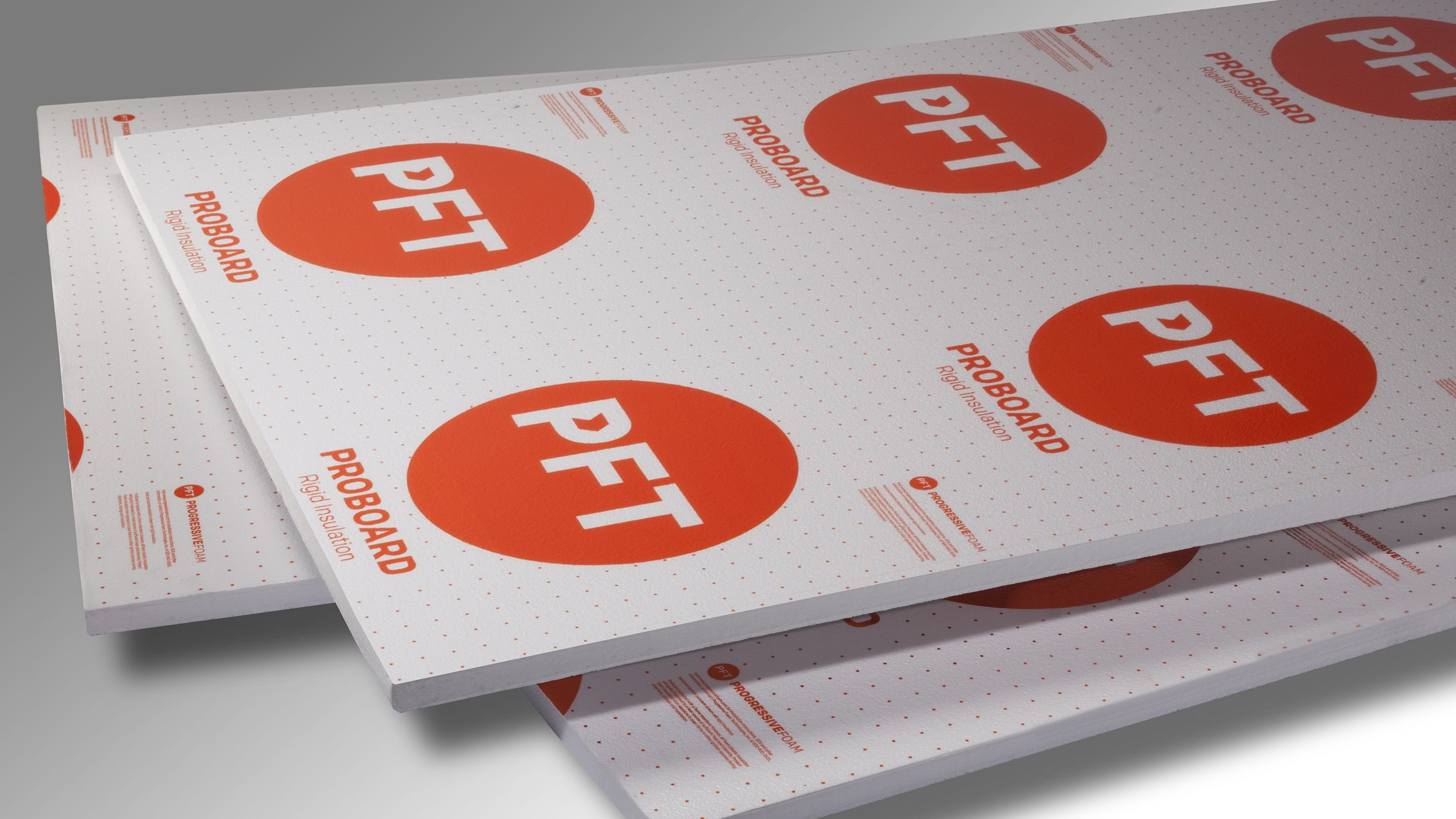
Insulated vinyl siding typically includes a rigid foam backing (often EPS), which provides a modest increase in thermal resistance.
- Standard vinyl siding: ~R-0.5 or less (minimal impact)
- Insulated vinyl siding: typically adds R-2 to R-4 depending on product
That’s helpful—but it’s not enough to dramatically change your home’s efficiency on its own.
Think of it as a supporting upgrade—not a standalone solution.
Where Insulated Siding Actually Helps
The biggest benefit isn’t the raw R-value—it’s how insulated siding improves consistency across the wall surface.
Key benefits include:
- Reduces thermal bridging through studs
- Adds a continuous insulation layer over the wall
- Helps stabilize indoor temperatures
- Reduces minor drafts and cold spots
It also improves the “feel” of the wall—making the home feel less drafty and more solid, especially in older Quad Cities homes.
The Bigger Picture: Your Full Wall System
This is where most homeowners get misled.
Energy efficiency doesn’t come from siding alone—it comes from how the entire exterior is built.
House Wrap (Air Barrier)
Stops air infiltration—the biggest source of energy loss.
Air Sealing
Closes gaps around windows, doors, and penetrations.
Exterior Foam / Insulation
Adds continuous insulation where it actually matters most.
Flashing & Moisture Control
Prevents water intrusion that reduces insulation performance.
Soffit Ventilation
Controls airflow in the attic and prevents moisture buildup.
If those elements aren’t done right, adding R-2 to R-4 from siding won’t fix the problem.
Why Older Quad Cities Homes Benefit the Most
Many homes in this region were built before modern energy standards.
- Minimal insulation in wall cavities
- No continuous air barrier
- Decades of air leaks and settling
A siding project is one of the few times you can access and improve these issues—making it more about upgrading performance than just adding panels.
Using HOVER 3D to Make Smarter Design Decisions
Performance matters—but so does getting the look right the first time.
That’s where tools like HOVER come in. It’s a 3D rendering program that allows homeowners to see their actual home with different siding, trim, and color combinations before committing.
With HOVER, you can:
- Visualize siding profiles (lap, shakes, vertical)
- Compare insulated vs. standard siding options
- Test color combinations on your actual home
- Make confident decisions before installation starts
This reduces guesswork—and helps ensure your investment improves both performance and appearance.
The Bottom Line
Insulated vinyl siding adds some R-value—but it’s not the main source of energy efficiency.
The real gains come from the full wall system: air sealing, house wrap, insulation, and proper installation. Insulated siding helps—but only as part of that bigger picture.
In the Quad Cities, where weather puts constant pressure on your home, the smartest investment isn’t chasing a single number—it’s building a complete system that improves comfort, lowers energy costs, and holds up over time. Pair that with smart design tools like HOVER, and you’re not guessing—you’re making a decision that performs and looks right for years.
Share This Post
Share it on Facebook or X, or send it through your device share sheet for Instagram.
More Siding Guides
From the Siding Learning Center — Materials & Products