Wondering what U-factor to look for in a front door? Learn what U-factor means, why lower numbers improve energy efficiency, and how Quad Cities homeowners can choose an entry door that delivers comfort, durability, and long-term value.
What U-Factor Should I Look for in a Front Door?
If you've started shopping for a new entry door, you've probably seen the term U-factor on product labels or ENERGY STAR® information. While it may sound technical, U-factor is one of the most important measurements for understanding how well an entry door insulates your home.
Simply put, the lower the U-factor, the better the door resists heat transfer. A lower number means your home loses less heat during the winter and gains less heat during the summer, helping improve comfort and reduce energy costs throughout the year.
What Is U-Factor?
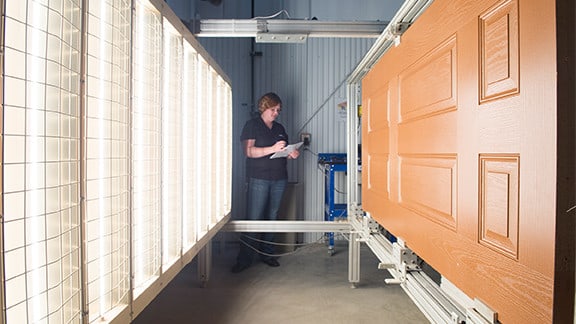
U-factor measures how quickly heat passes through an entire door system—including the door slab, frame, glass, and other components. Unlike insulation values that measure only one material, U-factor evaluates how the complete entry door performs once everything is assembled.
The National Fenestration Rating Council (NFRC) independently certifies U-factor ratings, allowing homeowners to compare different entry door systems using consistent testing methods.
Understanding U-Factor
- Lower U-factor = Better insulation
- Helps reduce heat loss during cold Iowa and Illinois winters
- Improves indoor comfort by minimizing cold spots near the entry
- Can help lower heating and cooling costs
- Works together with proper installation to maximize efficiency
What Is a Good U-Factor?
For homeowners in the Quad Cities, a lower U-factor is generally the better choice. ENERGY STAR® recognizes doors that meet performance requirements for Northern climate zones, where keeping heat inside during long winters is especially important.
Many premium fiberglass entry door systems offer U-factor ratings well below older wood or steel doors, especially when paired with insulated Low-E glass and high-performance weatherstripping. While the exact number varies depending on the amount of decorative glass, sidelites, and transoms, selecting a door with a low certified U-factor is an excellent starting point.
Installation Is Just as Important
Even the most energy-efficient door won't perform as designed if it isn't installed correctly. Small air leaks around the frame can significantly reduce the benefits of an insulated entry door.
The Fenestration and Glazing Industry Alliance (FGIA), formerly the American Architectural Manufacturers Association (AAMA), develops installation standards that help ensure proper sealing, insulation, structural performance, and long-term weather resistance. Professional installation helps homeowners get the full benefit of the door's tested energy performance.
Why It Matters in the Quad Cities
Front doors throughout Davenport, Bettendorf, Moline, Rock Island, and surrounding communities are exposed to freezing temperatures, strong winter winds, humid summers, and frequent seasonal temperature swings. These changing conditions make energy performance more important than many homeowners realize.
Choosing a quality fiberglass entry door with a low U-factor helps improve year-round comfort, reduces drafts near the entrance, and supports better overall energy efficiency throughout your home.
Expert Guidance Makes Choosing Easier
Since 1985, Suburban Construction has helped thousands of homeowners select entry door systems that balance beauty, security, durability, and energy efficiency. President JR Girskis and Vice President Darin Wilson have decades of experience helping homeowners understand performance ratings like U-factor, glass options, insulation values, and long-term value—not just appearance.
Their goal is to recommend the right Therma-Tru entry door system for each home, ensuring homeowners receive the performance they expect for years to come.
Backed by a Lifetime Written Workmanship Warranty
Every entry door installation from Suburban Construction is backed by a Lifetime Written Workmanship Warranty. While manufacturers warranty the door itself, Suburban stands behind the quality of its installation, giving homeowners confidence that their investment is protected long after installation is complete.
The Bottom Line
When comparing entry doors, remember one simple rule: lower U-factor numbers generally indicate better insulating performance. Combine a low U-factor, quality fiberglass construction, professional installation following FGIA best practices, and an experienced contractor like Suburban Construction, and you'll enjoy a more comfortable, energy-efficient home through every Quad Cities season.
Share This Post
Share it on Facebook or X, or send it through your device share sheet for Instagram.
More Door Guides
From the Doors Learning Center — Styles & Colors