Compare vinyl siding vs engineered wood siding for Quad Cities homes, including maintenance, cost, and weather performance.
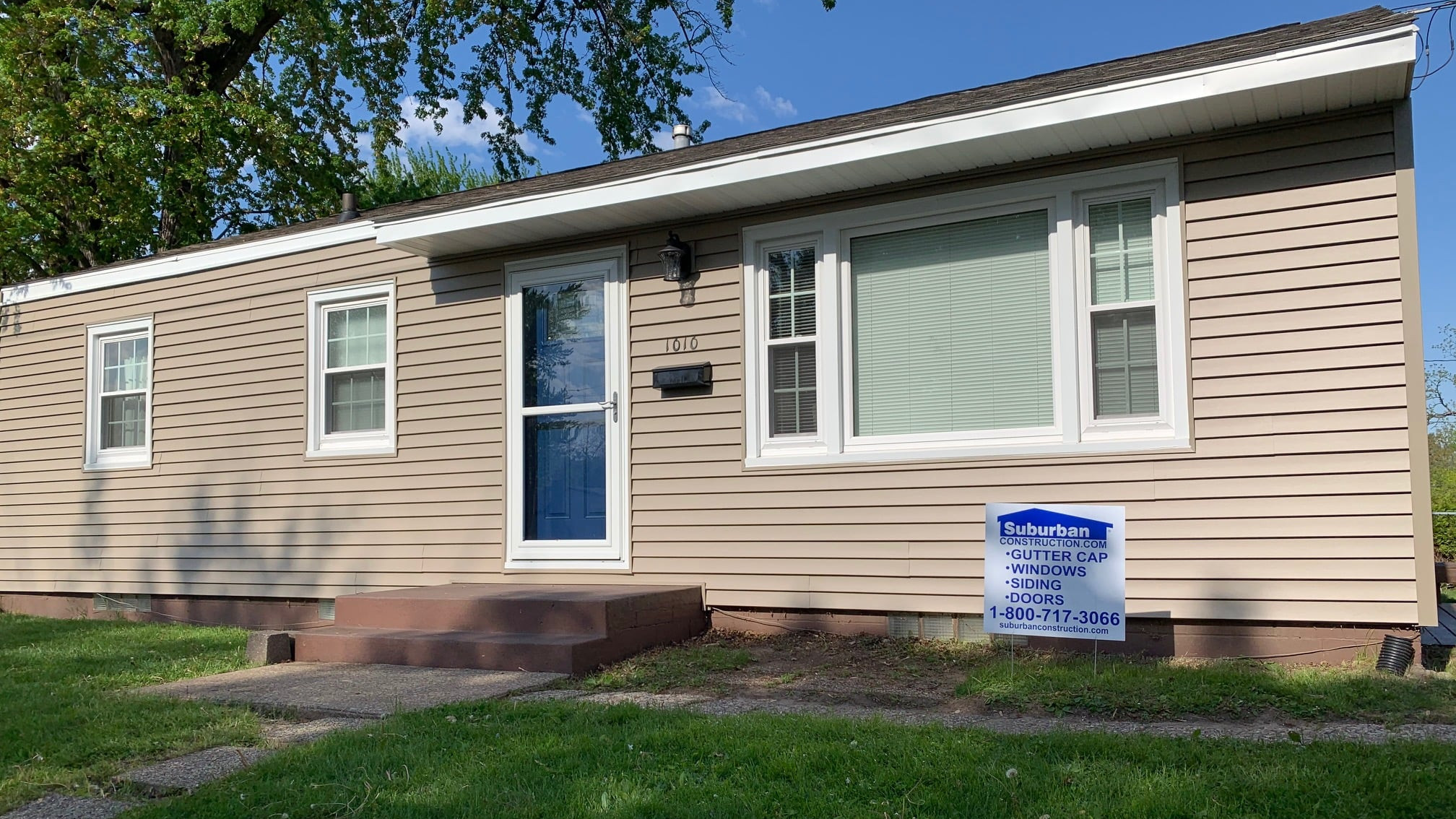
Material Comparison
What’s the Difference Between Vinyl Siding and Engineered Wood Siding?
By JR Girskis
5 minute read
Short answer: engineered wood often wins on appearance, while vinyl usually wins on maintenance and moisture resistance. In the Quad Cities, that tradeoff matters more than most homeowners expect.
Between Davenport, Bettendorf, Moline, and Rock Island, homes face humidity, rain, freeze-thaw cycles, and strong seasonal swings. That environment doesn’t just test how siding looks—it tests how much work it takes to keep it performing.
The Core Difference: What They’re Made Of
These two materials are built very differently, and that drives everything else.
Vinyl Siding
- PVC-based plastic material
- Designed to shed water and allow movement
- Does not absorb moisture
Engineered Wood
- Wood fibers combined with resins
- Treated for durability and impact resistance
- Designed to mimic real wood appearance
That difference—plastic vs. wood-based—shows up in performance over time.
Appearance: Where Engineered Wood Has the Edge
Engineered wood typically offers a more natural, textured look.
- Deeper grain patterns and shadow lines
- More traditional “wood” aesthetic
- Often preferred for higher-end or custom looks
Vinyl has improved significantly, especially with wood-look textures, but it still leans toward a cleaner, more uniform appearance.
Maintenance: Where Vinyl Pulls Ahead
This is where the decision becomes practical.
Vinyl Siding
- No painting required
- Simple annual cleaning
- Resistant to moisture and rot
Engineered Wood
- Requires periodic repainting or finishing
- More sensitive to moisture over time
- Higher long-term upkeep
Around the Mississippi River corridor, where humidity and rain are constant factors, lower maintenance becomes a bigger advantage over time.
Moisture and Weather Performance
This is where climate really drives the decision.
- Vinyl does not absorb water and won’t rot
- Engineered wood is treated—but still wood-based
- Freeze-thaw cycles increase stress on moisture-sensitive materials
Both materials can perform well when installed correctly, but vinyl offers more forgiveness in moisture-heavy environments.
Cost and Long-Term Value
Initial cost is only part of the equation.
Vinyl Siding
- Lower upfront cost
- Minimal ongoing maintenance cost
- Predictable long-term performance
Engineered Wood
- Higher initial cost
- Ongoing maintenance expenses
- More attention required over time
In many Quad Cities homes, long-term maintenance ends up being the deciding factor—not just appearance.
Installation Still Matters More Than Material
Regardless of what you choose, installation quality determines performance.
Vinyl must be installed with room to expand and contract. Engineered wood must be sealed and installed to manage moisture properly. Both rely on:
- Proper wall prep and flat surfaces
- Correct house wrap and flashing
- Clean trim integration
Material choice matters—but installation is what determines whether it holds up.
The Bottom Line
Engineered wood siding offers a warmer, more natural look. Vinyl siding offers lower maintenance and better moisture tolerance.
In the Quad Cities, where humidity, rain, and freeze-thaw cycles are constant, that tradeoff becomes practical—not just aesthetic.
If you value appearance above all, engineered wood may be worth it. If you want durability with less upkeep, vinyl usually delivers better long-term performance.
Share This Post
Share it on Facebook or X, or send it through your device share sheet for Instagram.
More Siding Guides
From the Siding Learning Center — Comparisons