Wondering why entry doors cost so much? Learn what drives pricing, how to choose the right materials, and how to avoid overpaying while maximizing performance and value.
Home Improvement
Why Do Entry Door Systems Seem to Cost So Much?
By JR Girskis
If you’ve ever priced out a new entry door, you’ve likely had the same reaction: why is it so expensive? Compared to interior doors, the difference can feel excessive— until you understand what you’re actually paying for.
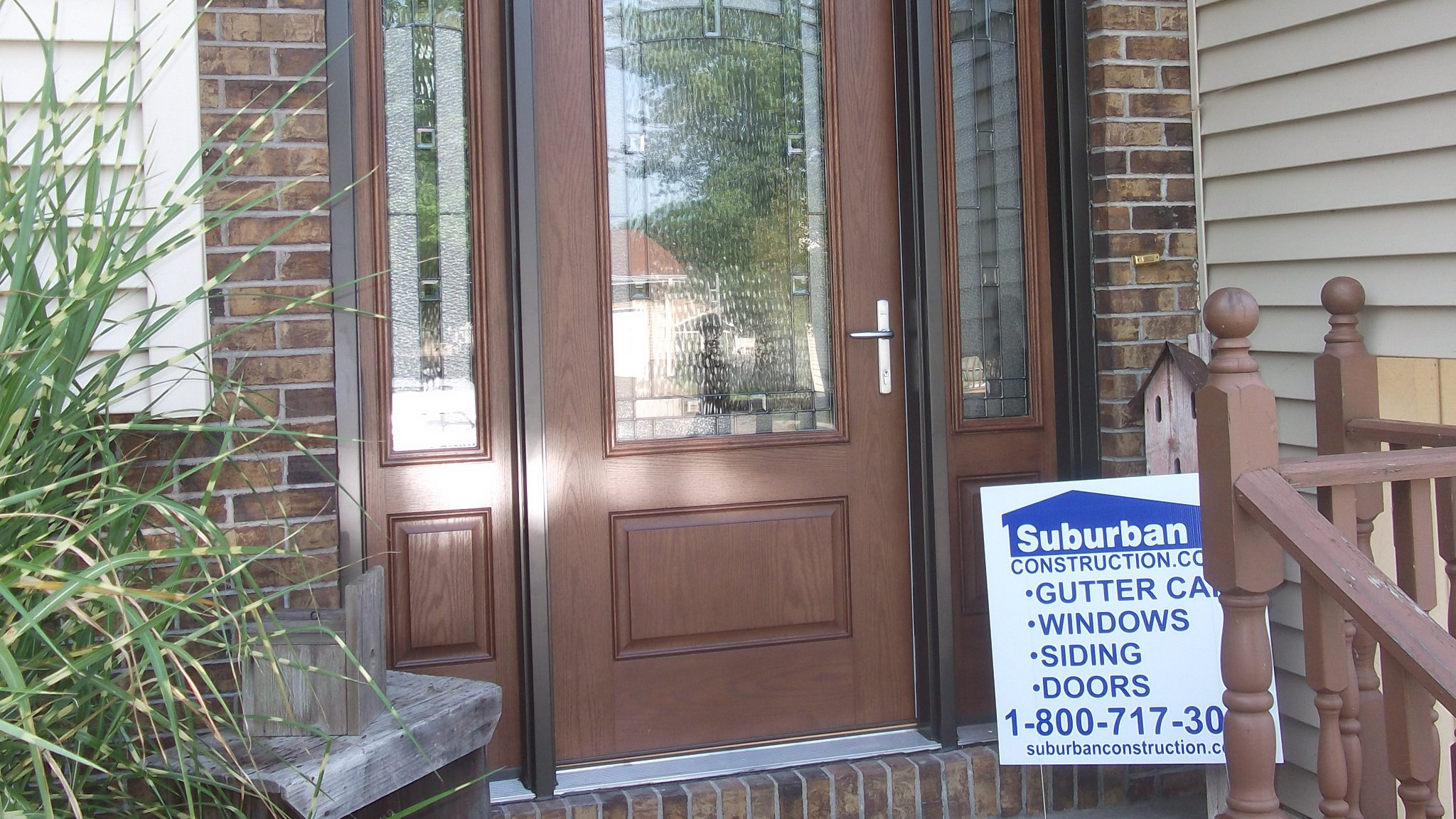
An entry door is not just a slab that opens and closes. It is a barrier against weather, a layer of security, a key factor in energy efficiency, and one of the first things people notice about your home.
The issue is not the price. It is whether you are getting the right value.
Why Entry Doors Cost More in the First Place
Interior doors serve one function: separation. Entry doors do everything else.
They must be:
- Stronger and thicker for security
- Tightly sealed to block air and moisture
- Durable against wind, rain, and temperature swings
- Built for constant daily use
Poor construction shows up fast: drafts, rattling during storms, and rising energy bills. What seems cheaper upfront often becomes more expensive over time.
Start With Design—But Don’t Get Lost in It
Before materials or pricing, define the design. Traditional, modern, rustic? Glass-heavy or solid? Decorative or minimal?
Design decisions drive cost quickly. The common mistake is prioritizing appearance without considering performance.
Example:
A glass-heavy entry door may look great, but can reduce insulation and privacy if not built properly.
You are not just choosing a look. You are choosing performance.
Define What Actually Matters to You
Every entry door is a trade-off between appearance, performance, and cost.
Ask yourself:
- Is energy efficiency a priority?
- Do you value aesthetics over insulation?
- Will the door face heavy weather?
- How important is security?
Fiberglass
Strong insulation and durability.
Wood
Classic look, higher maintenance.
Steel
Strong but quality varies widely.
Without clear priorities, you risk paying for features you do not need—or missing the ones that matter most.
Don’t Overlook the Role of a Storm Door
A storm door can add protection against wind and cold while allowing ventilation in warmer months.
But it is not always necessary. Modern, well-insulated doors may not need one.
Do not guess. Use utility or energy resources to determine if it actually improves efficiency.
Do the Research Most People Avoid
Prices vary widely online. You can save money—but only if you understand the full cost.
Factor in:
- Shipping costs
- Sales tax
- Installation expenses
- Accurate sizing and measurements
One bad measurement can turn a deal into a problem.
If hiring a contractor, vet them thoroughly. A high-quality door installed poorly is still a bad investment.
Use Incentives—But Don’t Rely on Them
Energy-efficient doors may qualify for tax credits, which can reduce cost.
But incentives should be a bonus, not the reason you choose a product.
A poor-quality door with a tax credit is still a poor-quality decision.
The Illusion of DIY Savings
Installing an entry door yourself can save money in theory. In practice, it requires precision and experience.
Proper installation requires:
- Precise alignment
- Correct sealing
- Structural awareness
Mistakes lead to air leaks, water damage, and performance issues.
Saving a few hundred dollars is not worth compromising a system that protects your entire home.
The Bottom Line
Entry doors seem expensive because they do far more than most people realize. They protect, insulate, secure, and define your home.
If you:
- Clarify your priorities
- Choose materials intentionally
- Research products and contractors
- Focus on long-term performance over short-term savings
You can get a high-quality entry door without overpaying.
You are not paying for what you see. You are paying for how it performs when it matters.
Share This Post
Share it on Facebook or X, or send it through your device share sheet for Instagram.
More Door Guides
From the Doors Learning Center — Cost & Pricing