Condensation or frost on your front door during winter is often caused by warm indoor air meeting a cold surface. Learn why it happens, how better-insulated entry doors and weatherstripping help, and what Quad Cities homeowners can do to improve comfort and energy efficiency.
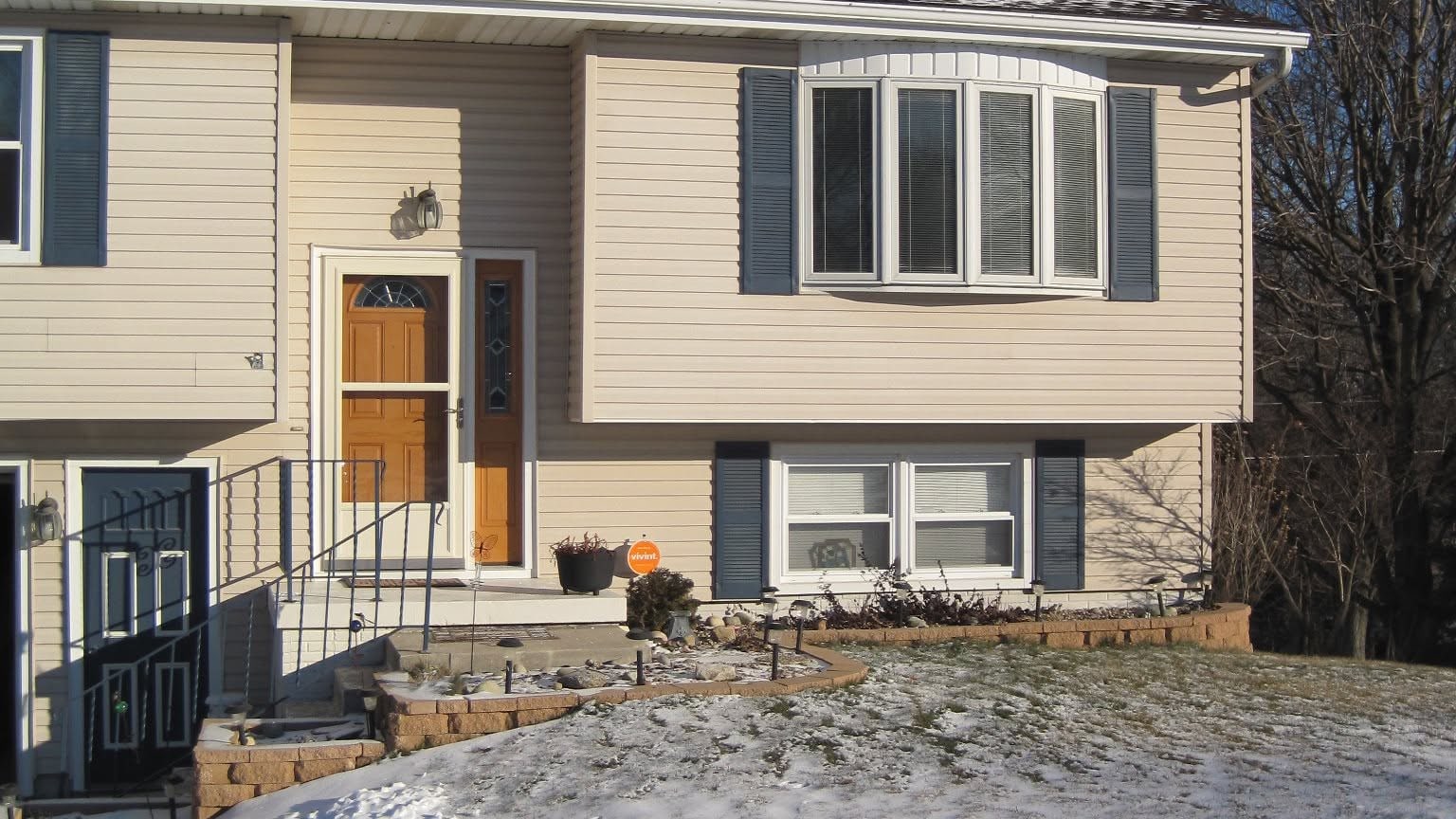
Why Does My Front Door Get Condensation or Frost in Winter?
If you've noticed water droplets—or even frost—on your front door during the winter, you're not alone. This is a common concern for homeowners throughout Davenport, Bettendorf, Moline, Rock Island, and the surrounding Quad Cities, where freezing temperatures and indoor heating create ideal conditions for condensation.
Condensation forms when warm, moisture-filled indoor air comes into contact with a surface that is cold enough to cool the air below its dew point. If that surface becomes cold enough, the moisture can freeze, creating frost instead of water droplets.
Condensation is usually a sign of a temperature difference—not necessarily a defective door. However, it can also reveal opportunities to improve insulation and reduce air leakage.
Why Does It Happen More in Winter?
Quad Cities winters often bring outdoor temperatures well below freezing while your home's heating system keeps the interior warm and comfortable. The greater the temperature difference between indoors and outdoors, the more likely condensation will develop on colder surfaces.
If indoor humidity is relatively high during the winter, even a well-built entry door may develop some condensation under the right conditions. Older doors with poor insulation or worn weatherstripping are generally more susceptible because their interior surfaces become colder.
- Cold outdoor temperatures.
- Warm indoor air.
- Higher indoor humidity.
- Poor insulation.
- Air leaks around the door system.
Check for Air Leaks Around the Door
Condensation isn't always caused by the door slab itself. Air leaks around the frame can allow cold outdoor air to cool portions of the entry system, increasing the likelihood of moisture or frost forming.
Pay particular attention to:
- The threshold where the door meets the floor.
- Weatherstripping along the sides and top of the frame.
- Sidelites and decorative glass panels.
- The sweep at the bottom of the door.
- The area surrounding the frame and trim.
If you can feel cold air entering around any of these locations, improving the seal may significantly reduce both drafts and condensation.
How Modern Entry Doors Help
Today's fiberglass and insulated steel entry doors are engineered to keep the interior surface warmer during cold weather. High-performance polyurethane cores, insulated frames, advanced weatherstripping, and adjustable thresholds all work together to reduce heat loss and improve comfort.
Because the interior surface stays warmer, there's less opportunity for moisture in the air to condense or freeze.
Features That Help Reduce Winter Condensation
- Insulated fiberglass or steel door construction.
- Energy-efficient polyurethane foam core.
- High-performance weatherstripping.
- Adjustable thresholds.
- Insulated glass with Low-E coatings, when glass is included.
- Professionally sealed and insulated door frame.
Indoor Humidity Still Matters
Even with an excellent entry door, excessive indoor humidity can still produce condensation during very cold weather. Everyday activities such as cooking, showering, running humidifiers, and even houseplants add moisture to the air.
Maintaining appropriate indoor humidity levels during winter can help reduce condensation on windows and entry doors while improving overall comfort throughout your home.
Can You Replace an Entry Door During Winter?
Absolutely. Many homeowners are surprised to learn that entry doors can be replaced successfully throughout the winter. The key isn't the season—it's the experience of the installation team.
Professional installers carefully prepare the opening before removing the existing door and work efficiently to minimize the amount of time your home is exposed to outdoor temperatures. In most cases, the opening is uncovered for only a short period while the new pre-hung door system is positioned and secured.
What Happens During Installation?
A properly installed entry door performs as a complete system. During installation, experienced crews:
- Protect nearby flooring and finishes.
- Remove the existing door and frame.
- Inspect the rough opening for moisture damage or rot.
- Install the new frame square, level, and plumb.
- Insulate the space between the frame and rough opening.
- Seal the opening to reduce air and water infiltration.
- Adjust the threshold and weatherstripping for a tight seal.
- Test the door to ensure smooth operation and proper locking.
- Clean the work area and remove all old materials.
These installation details help reduce drafts, improve energy efficiency, and maximize the long-term performance of your new entry door.
A Better Door Creates a Better First Impression
Beyond improving comfort, your front door is one of the first things visitors and potential buyers notice. A properly fitting, energy-efficient entry door enhances curb appeal while providing smoother operation, stronger security, and greater confidence during every season.
Trusted Entry Door Experts in the Quad Cities
For more than 40 years, Darin Wilson and JR Girskis have helped homeowners throughout Davenport, Bettendorf, Moline, Rock Island, Eldridge, Le Claire, and neighboring communities select entry door systems that perform beautifully in Midwest weather. They take the time to evaluate existing air leaks, inspect thresholds and sidelites, explain insulation options, and recommend fiberglass or steel door systems that improve comfort, energy efficiency, and long-term durability.
Their experience has shown that solving condensation problems often requires looking at the complete entry system—not just the door slab. Proper installation, quality weatherstripping, insulated frames, and careful sealing all work together to create a warmer, more comfortable entrance.
Enjoy a Warmer, Drier Entryway This Winter
Since 1985, Suburban Construction has installed thousands of replacement entry doors throughout the Quad Cities. Whether you're dealing with condensation, frost, drafts, or a door that's simply showing its age, our team focuses on delivering complete entry door systems that combine exceptional installation with premium products. The result is a front entrance that's more comfortable, more energy efficient, and built to handle everything an Iowa or Illinois winter can bring.
Share This Post
Share it on Facebook or X, or send it through your device share sheet for Instagram.
More Door Guides
From the Doors Learning Center — Problems & Repairs