Will new siding match your trim and soffit? Learn why exact matches are difficult and how Quad Cities homeowners get better long-term results.
Siding Design & Planning
Will Replacement Siding Match My Current Trim and Soffit?
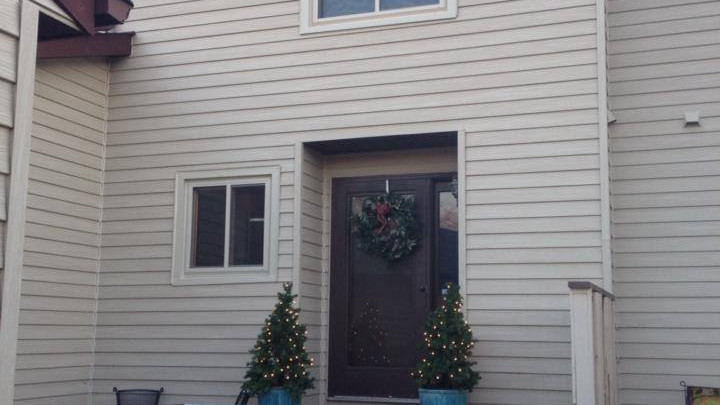
Replacement siding can match your existing trim and soffit—but it doesn’t always mean it should. Color, texture, and age differences often make exact matches difficult, especially if the existing materials have faded or are from discontinued product lines.
The Vinyl Siding Institute notes that siding systems are part of a larger exterior assembly, and variations in color and finish can occur due to weathering and manufacturing differences. That’s why projects are often approached as a full system—not just a panel-for-panel replacement.
In the Quad Cities, where homes experience strong seasonal swings, even small mismatches can stand out more over time as materials age differently.
When Matching Works—and When It Doesn’t
- Newer homes with recent materials have a better chance of close matches.
- Older siding and trim are often faded or discontinued.
- Different manufacturers may have slightly different finishes and tones.
- Sun exposure can cause uneven color aging across the home.
A Better Approach: Design the Whole Exterior
Instead of chasing a perfect match, most homeowners get better long-term results by stepping back and looking at the entire exterior design.
Style decisions should match the home’s architecture first—and current trends second. In the Quad Cities market, that usually means choosing a main lap siding profile you can live with for years, then adding character through thoughtful accents.
- Use shutters, shakes, or vertical panels for contrast.
- Incorporate stronger trim lines to define the home’s shape.
- Select colors that coordinate with roofing, doors, and surroundings.
- Focus on balance and consistency rather than exact matching.
Why Siding Projects Often Expand
- Removing siding can expose hidden rot or structural issues.
- Old trim, soffit, or fascia may not align with new materials.
- Flashing and moisture protection may need upgrading.
- Gutters and drainage systems may need adjustment.
Because of this, bundling related work—such as trim, soffit/fascia, gutters, and repairs—often produces a cleaner, more durable result than treating siding as a standalone project.
Long-Term Value and Resale
A well-coordinated exterior doesn’t just look better—it performs better. Properly integrated components help manage water, improve insulation, and reduce maintenance issues over time.
From a resale standpoint, buyers notice consistency. A cohesive exterior signals quality workmanship, while mismatched elements can raise questions about past repairs.
Local Expertise Makes the Difference
That’s why many homeowners in the Quad Cities work with experienced professionals like JR Girskis and Darin Wilson.
Their approach goes beyond matching colors—they help homeowners design exterior systems that look cohesive and perform well in real conditions, from humid summers to freezing winters.
By planning for the full scope of the project, they help avoid patchwork results and deliver better long-term value.
The Bottom Line
- Matching existing trim and soffit is possible—but not always ideal.
- Fading and product differences make exact matches difficult.
- Designing the full exterior leads to better long-term results.
- Bundling related upgrades improves durability and appearance.
Share This Post
Share it on Facebook or X, or send it through your device share sheet for Instagram.