Learn expert advice on choosing the right remodeling contractor, comparing estimates, reviewing contracts, and protecting your home improvement investment.
By John Marx
The first step in any home renovation project is selecting a contractor.
It’s also the toughest choice. A wrong choice can break a project and devastate the homeowner, while the right choice can leave the homeowner excited and feeling their money was well spent.
“A project done right — and every project should be done right — leaves both sides feeling tremendous,” said Dean Taylor, owner of Custom Remodeling By Dean Taylor in Davenport.
Mr. Taylor has been a business owner for 23 years and is a 35-year construction-trades veteran. He’s also a member of the Quad Cities Homebuilders Association and sits on the Homebuilders’ Remodelers Council, a group of experts that meet monthly to discuss trade issues.
“If you run across someone who does not have your interest at heart, there’s going to be trouble,” he said.
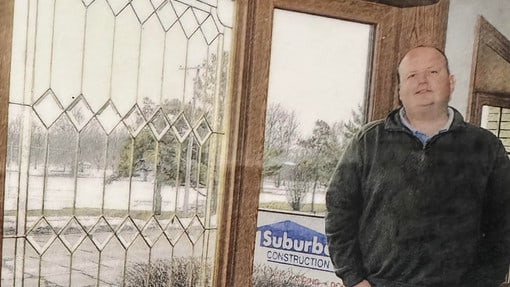
Mr. Taylor and J.R. Girskis, president of Suburban Construction, say the first step to selecting a contractor is reviewing the work of those interested in taking on the project.
Get three to five references from former clients, and make sure the contractor can provide local and state certifications and licenses, number of employees and liability insurance, Mr. Taylor said.
A reputable firm will have no problem providing that information, he said. “Go see the kind of work people have done; ask others who have dealt with them. Friends, family, Realtors, ask them all.”
Mr. Girskis said a modern touch also works.
“Facebook is a great way to reference people,” he said. “Companies willing to show you their work proves they stand behind what they do and that others have approved of how they approach the job.”
“Those references can tell you whether or not the work was done well, in a timely manner and whether all cost issues fell in line with the agreement. Anyone without background information presents a red flag.”
Mr. Girskis said there are no silly questions to ask a potential contractor. Remember, it’s your money and your home.
Be thorough, he said, adding that the process is more than a run through the phone book, grabbing a name and going to the local home center.
“Be specific in what you want, what you need and what you are willing to pay,” Mr. Girskis said. “It’s still the buyer’s decision. Don’t hurry. Make sure you hear what you want, not what someone else wants you to hear.”
“Get estimates in writing, and if you decide to go with that company, stand firm on the estimate. Outline payment before the work starts. Ask about workmanship and timelines. We (Suburban) don’t require a down payment, but some companies require a third of the price or that you pay staging fees as you reach certain levels of a project. Make sure that is in the contract and it is crystal clear. If all those questions are not met with your approval, move on.”
Mr. Taylor said three-plus decades as a carpenter should make him an authority on carpentry issues. He knows plenty about other trade qualifications as well, but doesn’t claim to be an expert in all areas.
It’s important to center your search around someone who can provide an expert in your area of need, he said, adding that local towns and counties keep lists of licensed, bonded and insured tradesmen in their area.
“A general contractor should have the ability to have a qualified electrician handle electrical needs and a qualified carpenter build you a deck,” Mr. Taylor said. “There are many trade qualifications, so make sure he or she is a specialist in that area or the general contractor has an expert available. Contractors you want to deal with have individuals that specialize.”
Both men said written estimates are a must, and any contract should be specific about what the buyer expects. Mr. Girskis said a reputable firm will handle all building permits, and the lead contractor or “general” should be responsible for all work a “sub” contractor does on the project.
“Everything should be agreed upon and put in writing,” Mr. Taylor said. “It protects both sides as far as timelines, costs, payment plans, etc. Most ‘generals’ take care of subs and whatever problems arise. Anything of that nature should be covered in a contract ... that protects everyone if things are in writing and agreed upon by all sides.”
Communication during the project is a must, he said. Select someone that welcomes checks during the project and after it’s completed.
“If you are legitimate (the contractor), you won’t mind someone looking at the progress you have made or asking questions as you go,” Mr. Taylor said.
“There should be nothing to hide. The project has to meet the standards and expectations of the person who did the hiring. If those are met, you have a great situation.”
If the homeowner isn’t happy with the work, he should talk to the contractor by phone or face-to-face.
“E-mails don’t outline trouble,” he said. “Give the contractor a chance to make it right and usually that’s what happens. If that doesn’t work, send a certified letter outlining the concerns.
“If there is no satisfaction — and there should already be some — then I’d seek the last option in getting an attorney. It should never get to that point if both sides follow the written contract.”
Share This Article
Share it on Facebook or X, or send it through your device share sheet for Instagram.