Hail Damage or Normal Siding Wear?
How to tell the difference after a Quad Cities storm
Request an InspectionA Common Post-Storm Question
After a hailstorm, many homeowners notice marks on their siding and immediately wonder whether the storm caused them. Sometimes that's true. Other times, the storm simply draws attention to older siding that was already fading, loosening, or becoming brittle.
The key is to look at the pattern of damage, the age of the siding, and the supporting clues on trim, gutters, and other exterior components.
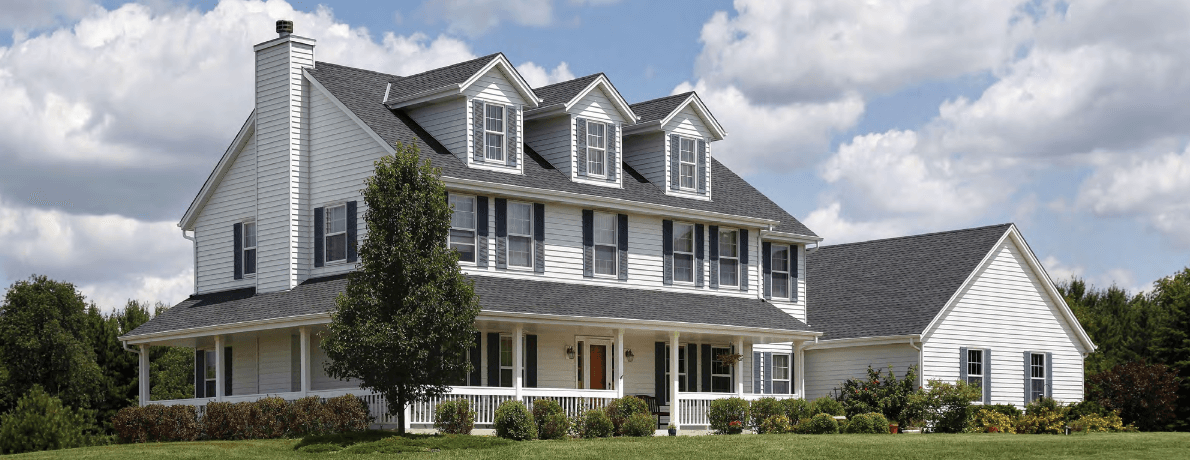
Hail Damage vs. Age-Related Wear
| What to compare | Hail damage | Normal wear / age |
|---|---|---|
| Timing | Shows up immediately after a storm event | Develops gradually over months or years |
| Pattern | Random impact marks concentrated on exposed sides | More uniform fading, brittleness, and wear across broad areas |
| Common signs | Cracks, chips, punctures, broken panel edges, dented trim | Warping, loose panels, chalking, color fade, repeated caulk failure |
| Related clues | Dents on gutters, downspouts, fascia wrap, or screens | General weathering without matching fresh storm evidence |
Quick Inspection Checklist
Check the most weather-exposed walls first, especially the sides that faced the storm.
Look for cracks at panel edges, corners, and lock seams.
Inspect metal wraps, soffit, fascia, gutters, and downspouts for dents.
Look for pieces that are loose, lifted, or no longer locking together tightly.
Compare damage patterns across elevations instead of judging from one spot alone.
Photograph any suspicious areas before attempting temporary repairs or cleaning.
Don't forget the surrounding components
When gutters, downspouts, fascia wrap, or storm doors show fresh impact marks alongside cracked siding, that strengthens the case that the damage is storm-related rather than just age.
Want a second opinion on your siding?
We can help you sort out whether you're looking at storm damage, long-term wear, or both, and recommend the right next step.