Choosing a timeless vinyl siding color starts with your roof, brick, stone, trim, architecture, and neighborhood—not the latest trend. Learn which siding colors tend to age well, how to test samples outdoors, and how to create an exterior that still looks intentional years from now.
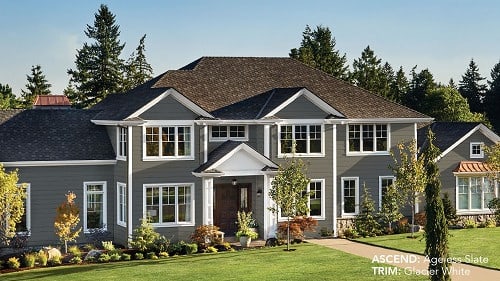
Timeless Vinyl Siding Color Guide
How to Choose a Vinyl Siding Color That Won't Look Dated
The best siding color is usually not the trendiest one. It is the color that fits your home's architecture, roof, stone, brick, trim, neighborhood, and natural surroundings well enough to still look intentional years from now.
Vinyl siding is a long-term exterior decision, so color should be chosen with more care than a temporary paint accent. A shade that looks exciting on a small sample can feel much stronger across an entire house.
Homeowners usually get the most lasting results by choosing balanced, architectural colors with enough depth to feel current but enough restraint to work through future design trends.
The Safest Strategy: Choose for the House, Not the Trend
Trend-driven colors can date a home quickly when they are chosen without considering the architecture. A timeless exterior starts with the fixed materials that are already difficult or expensive to change.
Roof color, brick, stone, window frames, soffit, fascia, garage doors, and permanent landscaping should all influence the siding choice before popular color trends do.
Timeless Siding Color Families
| Color Family | Why It Ages Well | Works Well With |
|---|---|---|
| Warm white | Clean, classic, and adaptable across architectural styles. | Black, bronze, natural wood, red brick, gray roofs. |
| Soft gray | Neutral without feeling stark or overly modern. | White trim, charcoal roofs, stone, black windows. |
| Greige | Balances warm and cool tones and works with many masonry colors. | Tan stone, brown roofs, black accents, cream trim. |
| Muted blue | Adds color without feeling overly bold. | White trim, gray stone, charcoal roofs. |
| Muted green | Feels natural and architectural rather than trendy. | Stone, brown roofs, bronze accents, natural landscaping. |
| Deep charcoal | Strong and contemporary, but still grounded when used on the right architecture. | Black windows, warm wood, light stone, simple trim. |
Start With Your Roof
The roof is one of the largest fixed color areas on the house, and it should usually be considered before the siding.
A warm brown roof often works naturally with cream, taupe, greige, olive, and warmer gray siding. Charcoal and black roofs are more flexible and can work with whites, grays, blues, greens, and deeper colors.
The goal is not to make the roof and siding identical. The goal is to make them feel like they belong in the same color story.
Respect Existing Brick and Stone
Brick and stone usually contain several undertones. Choosing siding that repeats one of those quieter undertones creates a more cohesive exterior.
For example, warm red brick may contain tan, brown, gray, or cream tones. A siding color pulled from one of those secondary shades will often look more timeless than a color selected in isolation.
Avoid forcing a cool blue-gray siding next to very warm orange brick unless the contrast is intentional and supported by the rest of the home's palette.
Use the 60-30-10 Exterior Color Rule
A simple way to keep an exterior balanced is to think in terms of one dominant color, one secondary color, and one accent.
- About 60%: Main siding color.
- About 30%: Roof, masonry, secondary siding, or trim.
- About 10%: Front door, shutters, metal accents, or another focal element.
The percentages do not need to be exact. The principle simply helps prevent the exterior from becoming visually busy.
Be Careful With Extremely Trendy Colors
A bold siding color can be beautiful, but the more specific the trend, the greater the chance that it may feel tied to a particular period.
Very bright blues, highly saturated greens, orange-brown tones, or ultra-cool grays can become visually dated faster than softened versions of the same colors.
If you love a trend-driven shade, consider using it on a front door, gable accent, shutters, or another smaller area instead of covering the entire home.
White Siding Can Be Timeless, but Choose the Right White
White exteriors have lasted through generations of architectural styles, but there is a meaningful difference between a soft architectural white and a very stark blue-white.
Warm whites tend to coordinate more easily with brick, stone, landscaping, wood doors, and older homes. Cooler whites can work especially well with contemporary architecture and charcoal or black accents.
Always place the siding sample next to the actual trim and masonry. Two products both labeled “white” may look dramatically different beside one another.
Gray Is Still Useful—Just Avoid the Wrong Undertone
Gray became extremely popular, but that does not mean every gray exterior will age poorly. The more important question is whether the gray works with the permanent materials on the home.
Soft warm grays and greiges tend to be more flexible than very cool silver-gray shades because they work with a wider range of stone, brick, roofs, and wood tones.
A gray that looks sophisticated on a sample board can appear blue, purple, or green once it is installed across an entire wall, so outdoor testing is essential.
Muted Blues and Greens Can Age Very Well
Homeowners who want more personality than white, gray, or beige can often get a timeless result from a softened blue or green.
The key is saturation. Dusty blue, slate blue, sage, olive, and muted forest tones generally feel more architectural than bright, highly saturated versions.
These colors also pair naturally with the mature landscaping, river-valley scenery, brick, and stone found throughout many Quad Cities neighborhoods.
Colors That Often Have Staying Power
- Warm white
- Ivory and soft cream
- Light or medium greige
- Warm medium gray
- Slate blue
- Muted navy
- Sage green
- Olive green
- Deep charcoal
- Classic taupe
Consider the Architecture of the Home
Colors tend to feel timeless when they support the architecture rather than compete with it.
| Home Style | Timeless Color Direction |
|---|---|
| Traditional / Colonial | White, cream, muted blue, traditional gray. |
| Ranch | Warm gray, taupe, greige, olive, soft blue. |
| Craftsman | Sage, olive, warm brown-gray, muted blue, cream. |
| Farmhouse | Warm white, charcoal, soft gray, restrained green. |
| Contemporary | Charcoal, warm white, deep gray, muted neutral combinations. |
Look at Neighboring Homes Without Copying Them
A siding color should feel appropriate for the neighborhood while still giving your home its own identity.
If every surrounding home is beige, choosing another beige may make the house disappear. A muted green or slate blue could still fit comfortably without feeling out of place.
The goal is harmony, not duplication.
Always Check HOA or Historic-District Requirements
Some neighborhoods, condominium associations, planned communities, and historic districts limit exterior colors or require architectural approval.
Confirm those requirements before ordering siding, especially when selecting dark colors, multi-color elevations, shakes, board-and-batten accents, or significant changes from the home's existing appearance.
Never Choose a Siding Color From a Screen Alone
Phone screens, websites, printed brochures, and digital visualizers are useful for narrowing choices, but they cannot perfectly represent an exterior color.
Lighting changes color. A sample that looks neutral indoors may appear warmer, cooler, brighter, or darker outside.
Use physical manufacturer samples and view them directly against the house.
Test Samples at Different Times of Day
Morning light, midday sun, shade, cloudy weather, and evening light can make the same siding color look noticeably different.
Place larger samples on more than one side of the house if possible. A south-facing wall may look brighter while a shaded north elevation may make the same color appear deeper or cooler.
Give yourself time to see the color in real conditions before committing to an entire home.
Dark Siding Can Be Timeless When It Fits the House
Charcoal, deep blue, and darker green siding can look sophisticated and lasting when the home has enough architectural simplicity and the surrounding materials support the palette.
Dark colors create stronger contrast and may make a large home feel visually smaller or more grounded. They can also make trim, masonry, and natural wood accents stand out.
Homeowners should choose a dark color that is offered and approved for the specific siding product rather than attempting to create an unsupported darker finish later.
Think About Future Repairs and Color Availability
Vinyl siding can be repaired panel by panel, but future matching becomes easier when the product comes from an established manufacturer with a broad and stable product offering.
No manufacturer can guarantee that every color will remain available forever. Saving extra siding from the original installation can make future storm or impact repairs much easier.
Ask the contractor to leave several full-length pieces in a protected location after the project is completed.
Before Choosing Your Final Siding Color
- Compare the siding with the roof.
- Identify undertones in brick and stone.
- Look at window-frame color.
- Decide whether soffit and fascia will match or contrast.
- Consider the garage door as part of the palette.
- Review neighboring homes.
- Check HOA or historic requirements.
- View physical samples outdoors.
- Check samples in sun and shade.
- Think about how the color will look with mature landscaping.
- Confirm the selected color is available in the desired siding profile.
- Save extra material for future repairs.
“The siding colors that tend to age best are the ones that belong on the house. We look at the roof, brick, stone, windows, trim, and architecture before we worry about what color happens to be trending. A balanced exterior can still feel fresh years after the installation.”
Choosing Colors for Quad Cities Homes
Davenport, Bettendorf, Moline, Rock Island, and surrounding communities include everything from historic homes and brick ranches to newer subdivisions and contemporary construction.
That variety means there is no single “best” Quad Cities siding color. Warm neutrals may complement an older brick home, while charcoal or muted blue may work beautifully on a newer home with black windows and simple rooflines.
Local architecture and existing exterior materials should guide the decision more than a national color trend.
Use Manufacturer Color Collections as a Starting Point
Major vinyl siding manufacturers develop coordinated color collections across siding, soffit, fascia, trim, shakes, and accessories. These collections can simplify exterior planning because the products are designed to work together visually.
Gentek, for example, offers multiple vinyl siding product lines with coordinated color selections and related exterior accessories. Final availability depends on the specific profile and product line.
Always verify the current manufacturer color chart and physical samples before ordering because color names and available combinations can change.
Need Help Choosing a Siding Color?
The right siding color should make your home feel more complete rather than simply more fashionable. Comparing full-size samples with your roof, brick, stone, windows, and trim can make the decision much easier.
Schedule a free exterior consultation with Suburban Construction Inc. to compare vinyl siding colors, profiles, trim combinations, and exterior design options for your Quad Cities home.
Product and Design References
- Gentek Building Products, Current Vinyl Siding Collections and Color Options.
- Polymeric Exterior Products Association, Vinyl Siding Product and Color Resources.
- Current siding manufacturer color charts, physical samples, product specifications, accessory color offerings, installation instructions, and written warranties for the selected product.
Design note: Color appearance varies according to sunlight, shade, surrounding materials, landscaping, wall orientation, texture, gloss, manufacturing lot, and viewing device. Digital renderings and online color samples should be used as planning tools rather than exact representations of installed siding. Always review current physical manufacturer samples before placing a final order.
Share This Post
Share it on Facebook or X, or send it through your device share sheet for Instagram.
More Siding Guides
From the Siding Learning Center — Styles & Colors