Learn how to clean steel siding without scratching or damaging its factory-applied finish. Discover the safest cleaning tools, recommended detergents, pressure washing precautions, and maintenance tips from Suburban Construction Inc., serving Davenport, Bettendorf, and the Quad Cities since 1985.
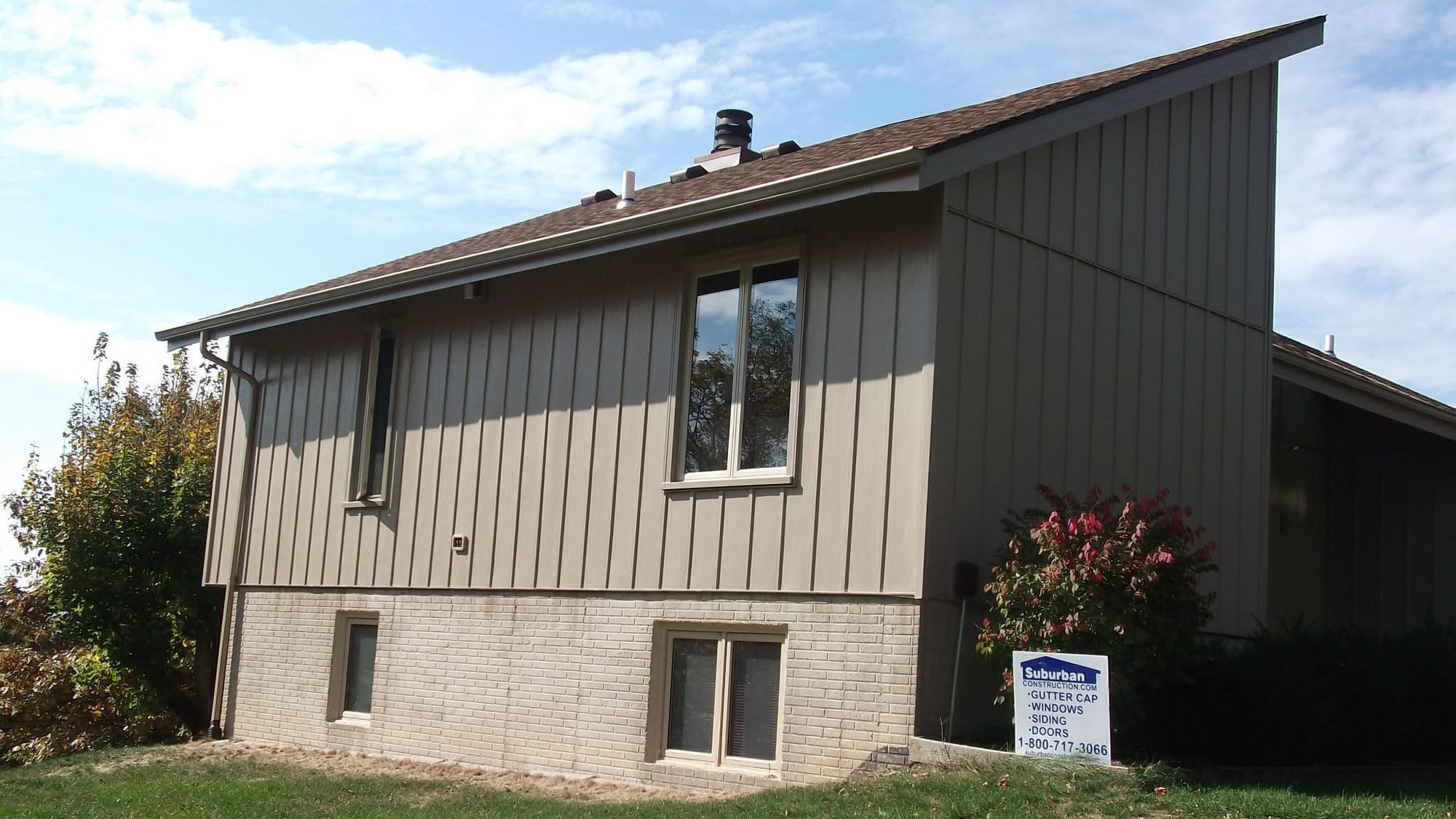
Steel Siding Maintenance | Suburban Construction Inc.
How to Clean Steel Siding Without Damaging the Finish
Steel siding is known for durability, attractive finishes, and relatively low maintenance. However, even premium steel siding can collect dirt, pollen, dust, and environmental residue. The key to keeping it looking beautiful is using gentle cleaning methods that protect its factory-applied finish. Here's how Quad Cities homeowners can safely clean steel siding without scratching, discoloring, or damaging its protective coating.
Throughout Davenport, Bettendorf, Eldridge, Moline, Rock Island, and surrounding communities, steel siding faces everything from spring pollen to summer storms and winter road salt.
Fortunately, most routine cleaning requires little more than water, a mild cleaner, and a soft brush. Always begin by checking the maintenance instructions for your specific siding manufacturer.
1. Start With a Garden Hose
Before reaching for cleaning chemicals, try rinsing the siding with clean water from a standard garden hose.
Many modern steel siding finishes are designed to resist dirt buildup, and ordinary dust or pollen may rinse away without additional cleaning.
Avoid directing water upward beneath siding overlaps, into trim joints, or toward electrical fixtures.
2. Use a Mild, Manufacturer-Approved Cleaner
For dirt that water alone cannot remove, use a nonabrasive household detergent approved for your siding's finish.
Some steel siding manufacturers publish specific cleaning mixtures and dilution ratios. Follow those instructions rather than assuming a stronger solution will clean better.
Never mix household cleaning chemicals. Test any approved solution on a small, inconspicuous area before cleaning a larger section.
3. Choose a Soft Cloth or Soft-Bristled Brush
Use a soft sponge, microfiber cloth, or soft-bristled washing brush to gently loosen stubborn dirt.
Avoid steel wool, wire brushes, abrasive pads, and aggressive scrubbing. These can scratch the coating or create unwanted glossy areas on satin finishes.
A long-handled soft brush can help reach accessible sections without requiring a ladder.
4. Wash Small Sections and Rinse Thoroughly
Choose a cool, overcast day when possible. Hot siding can cause cleaning solutions to dry too quickly.
Many factory-finished steel siding manufacturers recommend washing from the bottom upward to reduce streaking, then promptly rinsing thoroughly with fresh water.
Work in manageable sections and never allow detergent to dry on the surface. Protect nearby landscaping and follow the cleaner's safety instructions.
5. Be Careful With Pressure Washing
Pressure washing is not automatically safe for every steel siding product.
Excessive pressure or spraying too close to the surface can damage the finish, force water behind panels, or affect surrounding trim.
Some manufacturers permit carefully controlled low-pressure cleaning, while others prohibit pressure washers. Unless your specific manufacturer's instructions allow it, stick with a garden hose and gentle manual cleaning.
Learn more about Suburban Construction's recommended exterior maintenance practices .
6. Avoid Harsh Chemicals and Abrasives
Strong solvents, paint removers, abrasive cleaners, and unapproved chemical treatments can soften, discolor, or damage protective coatings.
Do not assume bleach, ammonia, vinegar, or commercial house-washing products are compatible with your particular finish.
Manufacturer recommendations vary. The safest approach is to use only approved products at their specified concentrations.
7. Pay Attention to Stubborn Stains
Tree sap, insect residue, algae, mildew, and airborne contaminants may require more attention than ordinary dust.
Identify the stain before selecting a cleaning product. Organic buildup, rust-colored staining, and damaged paint are not necessarily the same problem.
If gentle, approved cleaning does not work, contact your siding manufacturer or installer rather than experimenting with stronger chemicals.
8. Inspect the Finish While Cleaning
Cleaning is also an opportunity to examine your steel siding for scratches, dents, exposed metal, loose panels, or damaged trim.
Steel siding relies on protective coatings to maintain its appearance and resist corrosion. Scratches that penetrate the finish deserve attention according to the manufacturer's repair instructions.
For more information, read our comparison of vinyl and steel siding for Iowa and Illinois homes .
9. How Often Should Steel Siding Be Cleaned?
An annual inspection and cleaning is a reasonable starting point for many homes, although some areas may need attention more frequently.
Areas beneath roof overhangs, near trees, or exposed to road spray may accumulate more debris because rainfall does not naturally rinse them.
If you're considering a low-maintenance exterior, explore steel siding and other exterior cladding options from Suburban Construction .
Gentle Cleaning Helps Preserve Your Steel Siding Investment
Steel siding is designed to provide years of attractive, low-maintenance performance. Keeping it clean does not require aggressive scrubbing or powerful chemicals.
For homeowners throughout Davenport, Bettendorf, Eldridge, LeClaire, Moline, Rock Island, and East Moline, regular cleaning and visual inspections can help preserve the finish and identify potential damage early.
Interested in Durable, Low-Maintenance Steel Siding?
Suburban Construction Inc. has served Quad Cities homeowners since 1985, providing professionally installed vinyl siding, insulated siding, steel siding, composite cladding, replacement windows, doors, and exterior remodeling.
Visit our Davenport showroom to compare siding materials, explore available colors, and learn which products may be right for your home.
Share This Post
Share it on Facebook or X, or send it through your device share sheet for Instagram.