What happens after you call Suburban Construction? Follow the homeowner experience from the first phone call and free estimate through product selection, measurements, ordering, installation, cleanup, warranties, and service after the project.
What to Expect From Suburban Construction Inc.
What Happens When You Call Suburban Construction? From First Phone Call to Finished Project
Calling a home improvement contractor can feel like the beginning of a complicated process, especially if you are considering replacement windows, siding, doors, gutters, or a larger exterior renovation. At Suburban Construction Inc., the goal is to make that process understandable from the beginning. From your first conversation with our team through the estimate, product selection, measurements, installation, cleanup, and service after the project, homeowners should know what is happening and what comes next.
Most homeowners do not replace windows, siding, or exterior doors very often.
That means the process may be completely unfamiliar.
What happens after you call?
Will someone immediately try to sell you something?
Who comes to the house? How are products selected? When are measurements taken? What happens if something unexpected is discovered during installation?
Understanding the process before you begin can make a major home improvement project feel much easier to manage.
Step 1: You Contact Suburban Construction
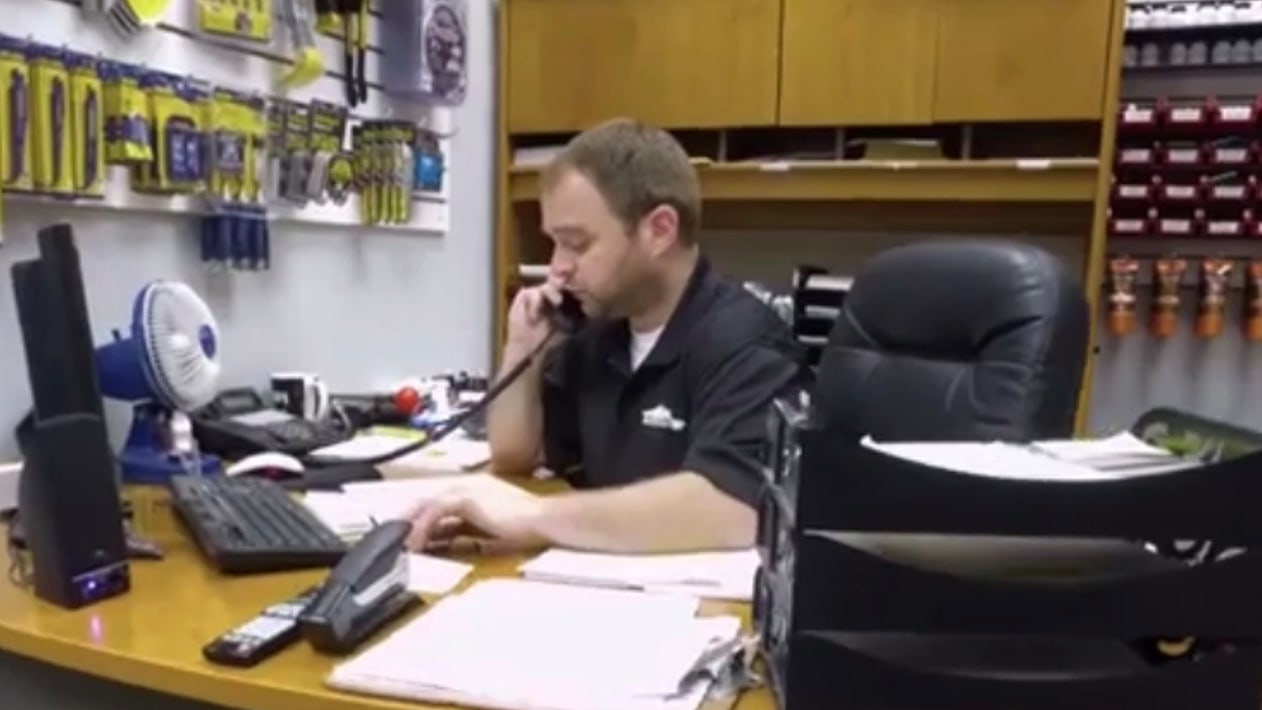
The process starts when you contact Suburban Construction about a project.
You may be considering:
- Replacement windows
- Vinyl siding
- Composite cladding
- Steel siding
- Entry doors
- Patio doors
- Seamless gutters
- Gutter protection
- Soffit and fascia
- Exterior trim
You do not need to know exactly which product you want before calling.
Often, the first conversation is simply about what you are trying to improve and what questions you have.
Step 2: We Ask a Few Questions About Your Project
Before scheduling an appointment, our team may ask a few basic questions so we better understand what you need.
Depending on the project, that may include:
- What type of project are you considering?
- How many windows are involved?
- Are you replacing all of the siding or addressing a specific concern?
- Are you looking for a new entry door or patio door?
- Are your gutters damaged or are you considering an upgrade?
- Is there a particular problem you are trying to solve?
- Where is the home located?
These questions help us understand the project before someone visits your home.
Step 3: We Schedule an Appointment
Once we understand the basic project, an appointment can be scheduled for someone from Suburban Construction to meet with you.
For many projects, seeing the home in person is important.
Exterior remodeling involves existing conditions, and those conditions cannot always be understood accurately from a phone conversation.
The appointment provides an opportunity to look at the house, understand your priorities, discuss products, and begin developing an appropriate scope of work.
Step 4: The Conversation Starts With Your Goals
A productive home improvement appointment should begin with the homeowner rather than the product.
What are you trying to accomplish?
Maybe your windows are difficult to operate.
Maybe the siding is faded, damaged, or becoming difficult to maintain.
Maybe your front door is drafty or simply no longer fits the appearance of the house.
Maybe your gutters are overflowing during heavy rain.
Understanding the problem helps determine which solutions are worth discussing.
Step 5: We Look at the Existing Conditions
Remodeling an existing home is different from building something new.
Before recommending products, it is important to understand what is already there.
Depending on the project, that may include looking at:
- Existing window openings
- Current siding
- Window and door trim
- Soffit and fascia
- Gutters and downspouts
- Wall transitions
- Previous repairs or additions
- Areas showing visible deterioration
The goal is to understand the house before developing the project.
Step 6: We Discuss Product Options
Once the project is understood, the conversation can move to products.
Most homeowners have choices.
Different products may offer different combinations of:
- Appearance
- Performance
- Maintenance
- Color
- Warranty
- Features
- Price
The goal should be to help you understand those differences so you can decide which option makes sense for your home and budget.
You Do Not Have to Choose the Most Expensive Option
More expensive does not automatically mean necessary.
Different homeowners have different priorities.
One homeowner may place a high priority on energy efficiency.
Another may care most about low maintenance.
Another may be focused primarily on changing the appearance of the home.
A useful estimate process should help you understand the choices rather than simply push you toward the highest-priced option.
Step 7: You Can Visit the Davenport Showroom
Some products are easier to understand when you can see and touch them.
Suburban Construction operates from 3602 North Harrison Street in Davenport, Iowa, where homeowners can visit the showroom and compare exterior products in person.
Depending on what you are considering, a showroom visit can help you compare:
- Window styles and features
- Siding colors and profiles
- Entry door designs
- Patio door options
- Hardware and finishes
- Exterior trim choices
- Related exterior products
Take a closer look at our Davenport showroom .
Step 8: We Develop the Estimate
Once the scope and products are understood, Suburban Construction can develop an estimate for the work being discussed.
Homeowners should understand what is included rather than focusing only on the total price.
Depending on the project, an estimate may address:
- Products being installed
- Quantities
- Installation
- Removal of existing materials
- Exterior trim
- Cleanup and disposal
- Applicable warranties
- Other project-specific work
If something is unclear, ask before signing.
Step 9: You Have an Opportunity to Ask Questions
A good estimate appointment should leave room for questions.
Ask about:
- The exact products being quoted
- Installation methods
- Manufacturer warranties
- Workmanship coverage
- Expected project timing
- How unexpected conditions are handled
- Cleanup
- Service after installation
If you do not understand part of the project, this is the time to ask.
Step 10: There Should Not Be a Need for a High-Pressure Decision
Replacement windows, siding, doors, and other exterior improvements can represent significant investments.
Homeowners should understand what they are buying before committing.
Suburban Construction's approach is built around helping homeowners understand their options without relying on artificial "today only" pressure to force an immediate decision.
Take the time you need to understand the proposal and ask questions.
Step 11: Once You Move Forward, the Project Enters the Production Process
Signing the agreement is not the end of the process.
It is the beginning of the production side of the project.
Information needs to be reviewed, products need to be ordered, measurements may need to be verified, and the installation needs to be coordinated.
The exact process will vary depending on whether the project involves windows, siding, doors, gutters, or multiple exterior products.
Step 12: Final Measurements Matter
Many exterior products are ordered specifically for the home.
Replacement windows and doors are especially dependent on accurate measurements.
Before custom products are ordered, measurements may be reviewed or verified as part of the production process.
This step matters because a small measuring error can become a much larger problem once a custom product has been manufactured.
Step 13: Products Are Ordered
Once project details and measurements are confirmed, the required products can be ordered.
Lead times vary depending on the product, manufacturer, season, customization, color, and availability.
Custom windows and doors, for example, generally need to be manufactured specifically for the project.
The installation schedule therefore depends in part on when the required materials are ready.
Step 14: Materials Are Coordinated Before Installation
There is a lot of work behind the scenes between signing the contract and seeing an installation crew in the driveway.
Products and accessories have to be received, organized, reviewed, and coordinated for the project.
Suburban Construction's Davenport facility includes warehouse and operational space that helps support this part of the process.
Step 15: Your Installation Is Scheduled
Once the necessary materials are available and the project is ready for installation, scheduling can move forward.
Weather can play an important role in exterior remodeling.
Rain, wind, extreme temperatures, and other conditions can occasionally affect exterior project schedules.
The goal is to complete the project safely and correctly rather than allowing a calendar date to override conditions at the house.
Step 16: The Installation Crew Arrives
Installation day is when the planning becomes visible.
Depending on the project, crews may need to protect landscaping, move materials into position, remove existing products, prepare openings or wall surfaces, and organize tools and equipment before new products are installed.
The amount of preparation varies based on the project and existing conditions.
Step 17: Existing Materials Are Removed Carefully
Replacement projects often begin with removing something that has been on the house for years or decades.
Removing an old window, door, or siding system may reveal conditions that were not visible during the estimate.
This is one of the reasons remodeling requires experience.
The house sometimes tells you more once the old material comes off.
Step 18: What Happens if Rotten Wood Is Discovered?
Hidden deterioration is one of the realities of remodeling an existing home.
Rotten or damaged wood may occasionally be discovered around windows, doors, fascia, siding, or other exterior areas after existing materials are removed.
When that happens, the problem should be identified rather than simply covered.
The homeowner should understand what was found and what needs to be addressed before the new exterior system is completed.
Step 19: Installation Details Matter
The finished product is what homeowners see, but many of the most important details happen during installation.
Depending on the product, those details may involve:
- Measurements
- Level and alignment
- Fastening
- Flashing
- Sealing
- Insulation
- Drainage
- Expansion and contraction
- Exterior trim
- Transitions between materials
A quality product and professional installation need to work together.
Step 20: Custom Exterior Trim Is Completed
Many exterior projects involve details around windows, doors, fascia, rake boards, and other transitions.
Custom-bent aluminum and other finishing materials may be used to create a cleaner finished appearance while adapting the new products to the home's existing architecture.
These details may seem small individually, but they repeat throughout the exterior and can have a significant effect on the completed project.
Step 21: The Project Is Cleaned Up
A remodeling project naturally creates debris.
Old windows, siding, trim, packaging, fasteners, and other materials may all be generated during installation.
Cleanup is part of completing the project.
The goal is not simply to finish installing the product. The jobsite should also be left in an appropriate condition when the work is complete.
Step 22: The Finished Work Is Reviewed
Before considering the project complete, homeowners should have an opportunity to look at the finished work and raise questions.
Depending on the project, this may include looking at:
- Product operation
- Exterior appearance
- Trim details
- Hardware
- Cleanup
- Any project-specific concerns
If something does not look right or you have a question, ask while the project is fresh.
Step 23: Learn How Your New Products Work
Some exterior products have features homeowners may not have used before.
Replacement windows may tilt in for cleaning.
Screens may remove differently from your old windows.
Door hardware may operate differently.
Understanding how to properly operate and care for the new products can help you get more value from the project.
Step 24: Understand Your Warranty Information
Homeowners should understand the difference between manufacturer warranty coverage and contractor workmanship coverage.
Manufacturer warranties generally address qualifying issues involving the manufactured product according to their terms.
Workmanship coverage addresses installation responsibilities according to the contractor's terms.
Keep warranty information and project paperwork somewhere you can find it later.
Step 25: The Relationship Does Not Have to End When the Crew Leaves
Exterior products are designed to remain on your home for years.
That means questions may come up long after installation.
You may need service, warranty assistance, a replacement part, another matching window, or help with a future exterior project.
One advantage of working with an established local contractor is having a company you can contact again later.
Repeat Customers Are Common in Exterior Remodeling
Many homeowners do not complete every exterior improvement at once.
You might replace five windows today and the remaining windows several years later.
You might install windows first, then return for siding or a new entry door.
A successful first project can become the beginning of a long-term relationship rather than a one-time transaction.
What if You Have a Problem After Installation?
No contractor should pretend that every project will be completely free of questions or service needs forever.
Products have moving parts.
Homes move and settle.
Weather happens.
What matters is having a clear place to call when something needs attention.
Suburban Construction's permanent Davenport operation gives homeowners a local company to contact after the original installation.
Why the Permanent Davenport Location Matters
Suburban Construction operates from 3602 North Harrison Street in Davenport, Iowa.
The facility supports showroom, warehouse, office, training, and operational functions.
For homeowners, that means there is a local place to visit before the project and a local company to contact afterward.
Why Four Decades of Experience Matter to the Process
Suburban Construction has served the Quad Cities since 1985.
Over that time, the company has worked on thousands of homes and encountered a wide range of windows, siding systems, doors, construction methods, weather conditions, unusual openings, hidden damage, and homeowner priorities.
Experience does not mean unexpected conditions never occur.
It means having more previous experience to draw from when they do.
Read more about Suburban Construction's history in the Quad Cities .
Who Is Responsible for the Company Today?
Suburban Construction remains locally owned and operated.
The company is led by President and Owner Brian "JR" Girskis and Vice President and Co-Owner Darin Wilson.
Local ownership means the people responsible for the direction and reputation of the company remain connected to the same Quad Cities market where the work is being performed.
Learn more on our Meet the Owners page .
What Should the Entire Process Feel Like?
A major exterior project naturally involves a lot of details, but the process should not feel mysterious.
You should understand:
- Who you are working with
- What products you are buying
- What work is included
- How the products will be installed
- What the project will cost
- What happens after you sign
- What happens if unexpected conditions are found
- Who to contact if you need help later
A good remodeling process should replace uncertainty with information.
A Home Improvement Project Should Not Feel Like a Mystery
For most homeowners, replacing windows, siding, doors, or other exterior products is not an everyday purchase.
It is reasonable to have questions.
The contractor's job should be to help you understand the products, the installation, the price, and the process so you can make an informed decision about your home.
From the first phone call through installation and future service, Suburban Construction's goal is to provide homeowners with a local team they know how to reach and a process they can understand.
Ready to Start the Conversation?
If you are considering replacement windows, siding, exterior doors, seamless gutters, gutter protection, soffit, fascia, or another exterior home improvement project, start by talking with Suburban Construction Inc.
Ask questions, visit our Davenport showroom, compare your options, and schedule a free, no-pressure estimate when you are ready.
Share This Post
Share it on Facebook or X, or send it through your device share sheet for Instagram.