The lowest home improvement bid is not always the lowest long-term cost. Learn how to compare contractor estimates, materials, workmanship, warranties, and project details before choosing the right bid for your home.
Home Improvement Advice
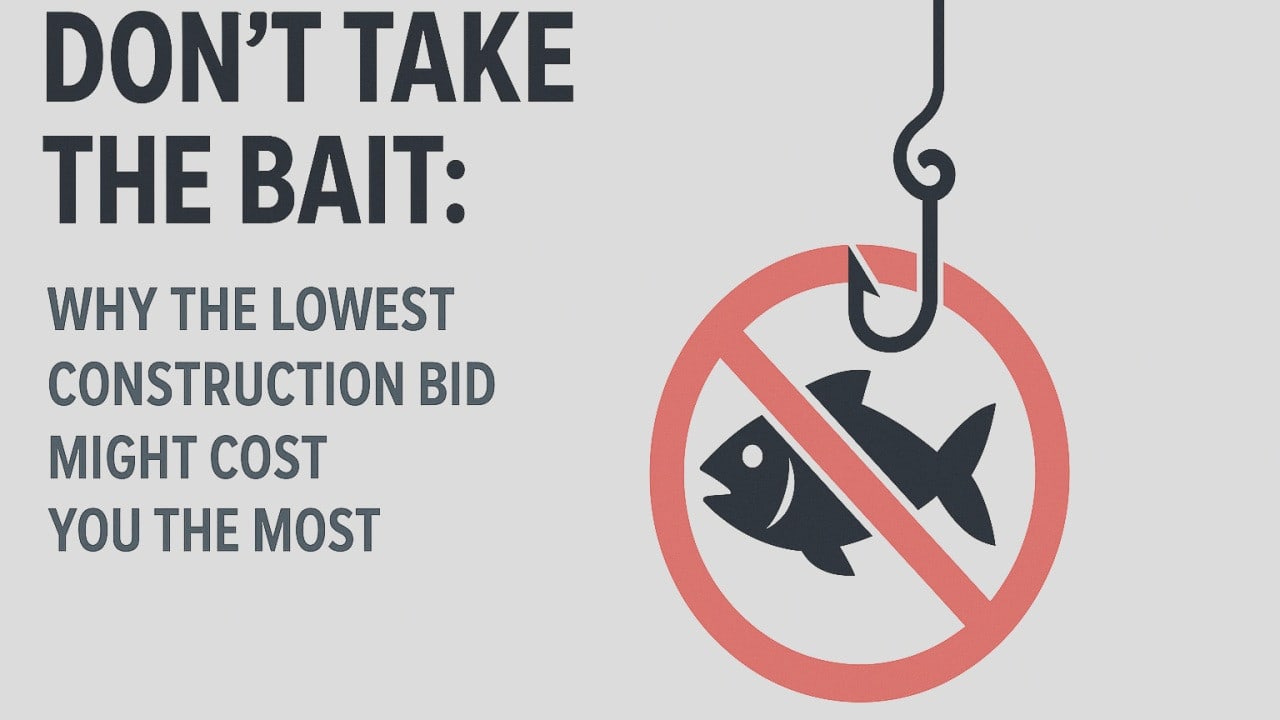
Why Your Lowest Bid May Cost You Thousands Later
When you are planning a home improvement project, comparing estimates is a smart and responsible step. But the lowest number on the page does not always represent the lowest overall cost.
Understanding what is included in each proposal can help you make a decision that protects your home, your budget, and your peace of mind for years to come.
A Lower Price Is Not Necessarily a Bad Price
A lower bid does not automatically mean lower-quality work. Contractors structure their businesses differently, have different supplier relationships, use different products, and may approach the same project in different ways.
That is why homeowners should not judge an estimate by price alone.
The more useful question is whether each contractor is pricing the same materials, the same amount of work, and the same level of service. Two estimates can look similar at first glance while representing very different projects once you examine the details.
The Number at the Bottom Is Only Part of the Story
When several estimates are sitting on your kitchen table, it is natural for your eyes to go directly to the final price. For most homeowners, budget matters a great deal.
But before choosing the lowest bid, take a closer look at what you are actually receiving for that price.
Are all of the contractors truly bidding on the same project?
One proposal might include upgraded materials, removal and disposal, preparation work, flashing, trim, cleanup, warranty protection, and follow-up service. Another proposal may handle some of those items differently or list them as additional costs.
Neither approach should automatically be viewed negatively. What matters is understanding the differences before you make your decision.
Why Construction Bids Can Vary So Much
There are many legitimate reasons one home improvement estimate may be higher or lower than another. Knowing where those differences come from makes it much easier to compare proposals fairly.
- Material quality: Products that appear similar can vary considerably in thickness, durability, construction, finish, energy performance, manufacturer specifications, and expected service life.
- Preparation work: Some projects require substantial work before the new product is ever installed. Proper preparation can be one of the most important parts of long-term performance.
- Installation methods: Experienced contractors may follow specific manufacturer requirements or installation procedures that require additional materials, labor, or time.
- Scope of work: Removal, disposal, flashing, trim work, weatherproofing, repairs, cleanup, permits, and finishing details may be included in one proposal but handled differently in another.
- Labor and experience: Skilled installers, project supervision, training, and attention to detail all contribute to the total cost of a professional installation.
- Warranty protection: Manufacturer warranties and contractor workmanship warranties can vary, making it important to understand exactly what protection is included.
- Service after installation: A contractor's responsibility does not necessarily end when the installation crew leaves. The ability to provide future service can be an important part of the value of your project.
When a Lower Initial Cost Can Become More Expensive
The concern with any home improvement project is not simply what it costs today. It is what that project may cost over its useful life.
A project that needs significant repairs or replacement sooner than expected can quickly erase the savings created by a lower initial price.
Depending on the type of project, installation or material problems can potentially contribute to issues such as:
- Water intrusion or moisture damage
- Premature product deterioration
- Drafts or reduced energy efficiency
- Loose or damaged exterior components
- Repeated service or repair expenses
- Damage to surrounding parts of the home
- Removing and reinstalling materials earlier than expected
This does not mean homeowners should assume an inexpensive estimate will result in problems. It simply means that the initial price should be considered alongside materials, installation, warranties, service, and expected longevity.
Think in Terms of Cost Over Time
Home improvements are different from many everyday purchases because you may live with the result for ten, twenty, or even thirty years.
That makes long-term value especially important.
A project that costs slightly more today but performs reliably for many years may ultimately cost less than a lower-priced project that requires additional repairs, maintenance, or early replacement.
Compare the Details, Not Just the Totals
One of the best ways to make a confident decision is to ask every contractor similar questions. Doing so creates a much more meaningful side-by-side comparison.
Questions Worth Asking Before You Sign
- What exact products and materials are included?
- Are the manufacturer and product line identified in writing?
- What preparation will be completed before installation begins?
- Is removal of the existing material included?
- Are cleanup and disposal included in the price?
- How will hidden or unexpected damage be handled?
- Are permits included when they are required?
- What manufacturer warranties apply?
- Does the contractor provide a workmanship warranty?
- Who should you contact if you need service after the project is completed?
Look Closely at Allowances and Possible Additional Costs
Another area homeowners should review carefully is anything listed as an allowance, optional item, or additional charge.
A proposal that appears lower initially may simply handle certain items separately. That is not necessarily a problem, but you should understand those possibilities before comparing the final numbers.
Ask the contractor to explain which costs are fixed, which could change, and what circumstances could result in additional expenses during the project.
The Warranty Deserves Your Attention
Warranties are easy to overlook when comparing estimates because they do not always affect how a project looks on installation day. They may become much more important several years later.
Ask what warranty comes from the product manufacturer and what warranty is provided by the contractor for workmanship.
It is also helpful to understand who you would contact if you ever have a question or concern. Knowing there is a clear process for future service can add meaningful value to a home improvement investment.
A Detailed Estimate Should Make You Feel More Informed
A good estimate should do more than tell you how much money a project will cost. It should help you understand what is going to happen to your home.
Before signing a contract, you should feel comfortable explaining:
- What products will be installed
- What work is included
- What preparation is required
- What the contractor is responsible for
- How unexpected repairs or changes will be handled
- What warranties protect your investment
- Who will be available if you need help afterward
If those details are unclear, asking a few more questions before making your decision can prevent uncertainty later.
The Cheapest Option and the Best Value Are Not Always the Same
Choosing a contractor should not be about finding the most expensive proposal. It should not automatically be about finding the least expensive proposal either.
For most homeowners, the better goal is finding the right balance of price, materials, workmanship, warranty protection, communication, and long-term performance.
Sometimes the lowest estimate will still be the right choice. Other times, spending a little more at the beginning may provide substantially greater value over the life of the project. The important thing is knowing why the prices are different.
The Best Bid Is the One You Understand
There is absolutely nothing wrong with shopping for a competitive price. Homeowners should compare estimates, ask thoughtful questions, and choose the contractor that makes them feel comfortable with both the project and the investment.
Instead of asking only:
“Which contractor gave me the lowest number?”
Consider asking:
“Which proposal gives me the best combination of quality, workmanship, service, protection, and long-term value for my home?”
Planning a Home Improvement Project?
Suburban Construction Inc. believes homeowners should understand exactly what they are investing in before making a major decision about their home.
Our team takes the time to explain materials, installation considerations, warranties, project details, and what is included in an estimate.
If you are comparing bids for an upcoming exterior home improvement project, we would be happy to answer your questions and help you understand your options without pressure.
Talk with Suburban Construction Inc. today to discuss your project and request an estimate.
Share This Post
Share it on Facebook or X, or send it through your device share sheet for Instagram.