Can vinyl siding be installed in winter? Learn when cold-weather siding installation works, what crews must adjust, and why timing and prep matter.
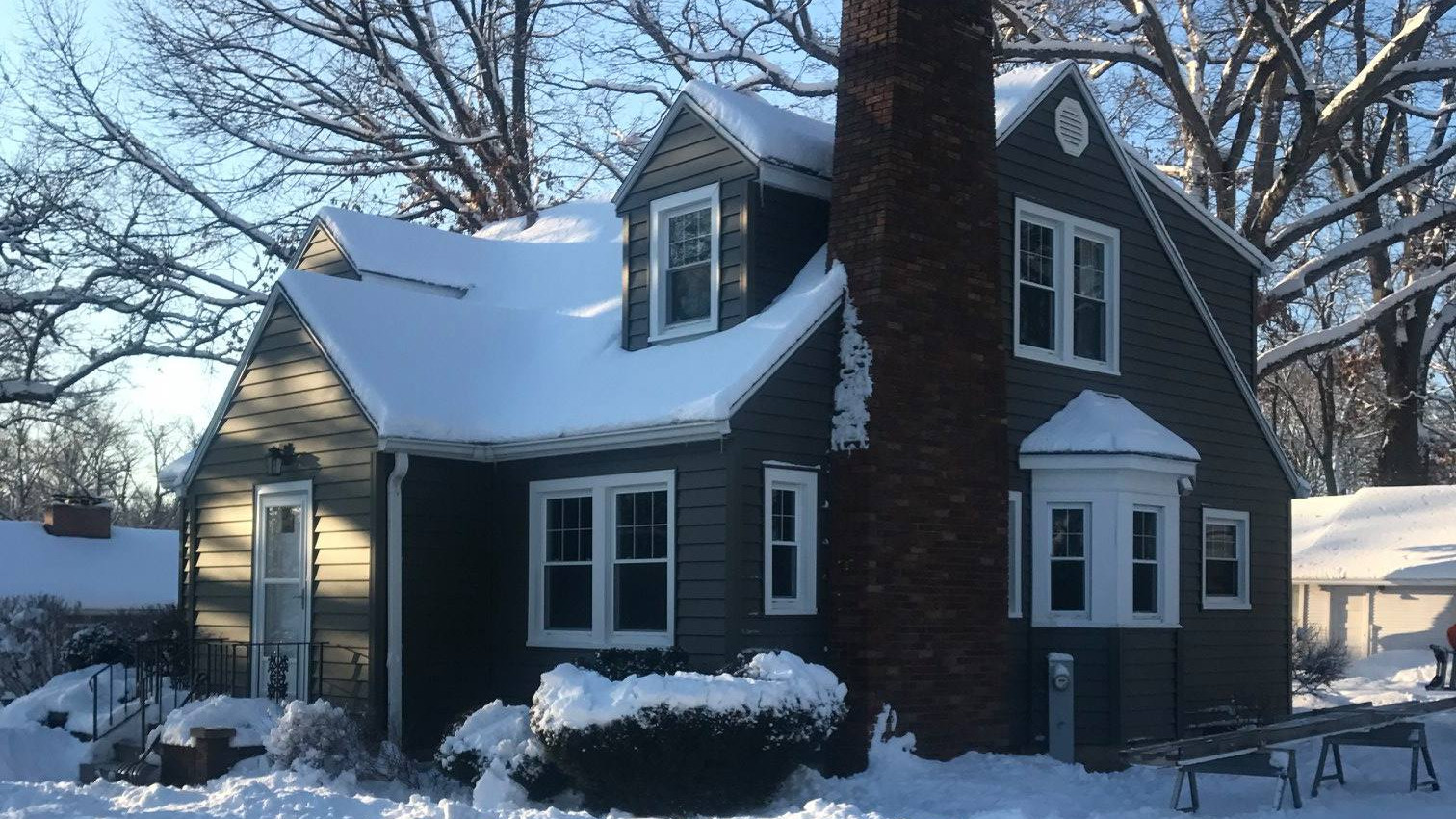
Seasonal Siding Installation
Can Vinyl Siding Be Installed in Winter?
Yes—vinyl siding can be installed in winter, but the crew has to adjust for cold-weather conditions.
Winter installation is not automatically a problem. The real question is whether the project can be handled with the right timing, preparation, and installation practices.
Cold Weather Changes How Vinyl Handles
Vinyl siding becomes less flexible in colder temperatures. That means crews need to be more careful when cutting, moving, and fastening panels.
Winter installation requires:
- Careful panel handling
- Adjusted cutting methods
- Proper spacing for expansion and contraction
- Extra attention around corners, trim, and joints
Weather Windows Matter
The best winter projects are scheduled around stable weather. Crews need enough daylight and safe conditions to complete prep, flashing, and installation cleanly.
Ideal conditions include:
- Stable temperatures
- Dry wall surfaces
- Enough daylight for careful work
- Minimal wind, ice, or active snowfall
Prep and Flashing Still Matter Most
Winter does not change the fundamentals. A quality siding job still depends on proper prep, house wrap, flashing, trim details, and fastening.
If those steps are rushed because of weather, the timing is wrong.
The Bottom Line
Vinyl siding can be installed in winter, but it should not be treated like a warm-weather install. Cold temperatures require more careful handling, smarter scheduling, and disciplined installation.
The season matters less than the process. If the crew respects the weather, protects the prep work, and installs the system correctly, winter siding installation can still deliver a clean, durable result.
Share This Post
Share it on Facebook or X, or send it through your device share sheet for Instagram.
More Siding Guides
From the Siding Learning Center — Installation