What exterior maintenance can homeowners safely handle themselves? From inspecting siding and windows to checking gutters, drainage, doors, and exterior trim, these simple DIY maintenance tasks can help Quad Cities homeowners catch problems early.
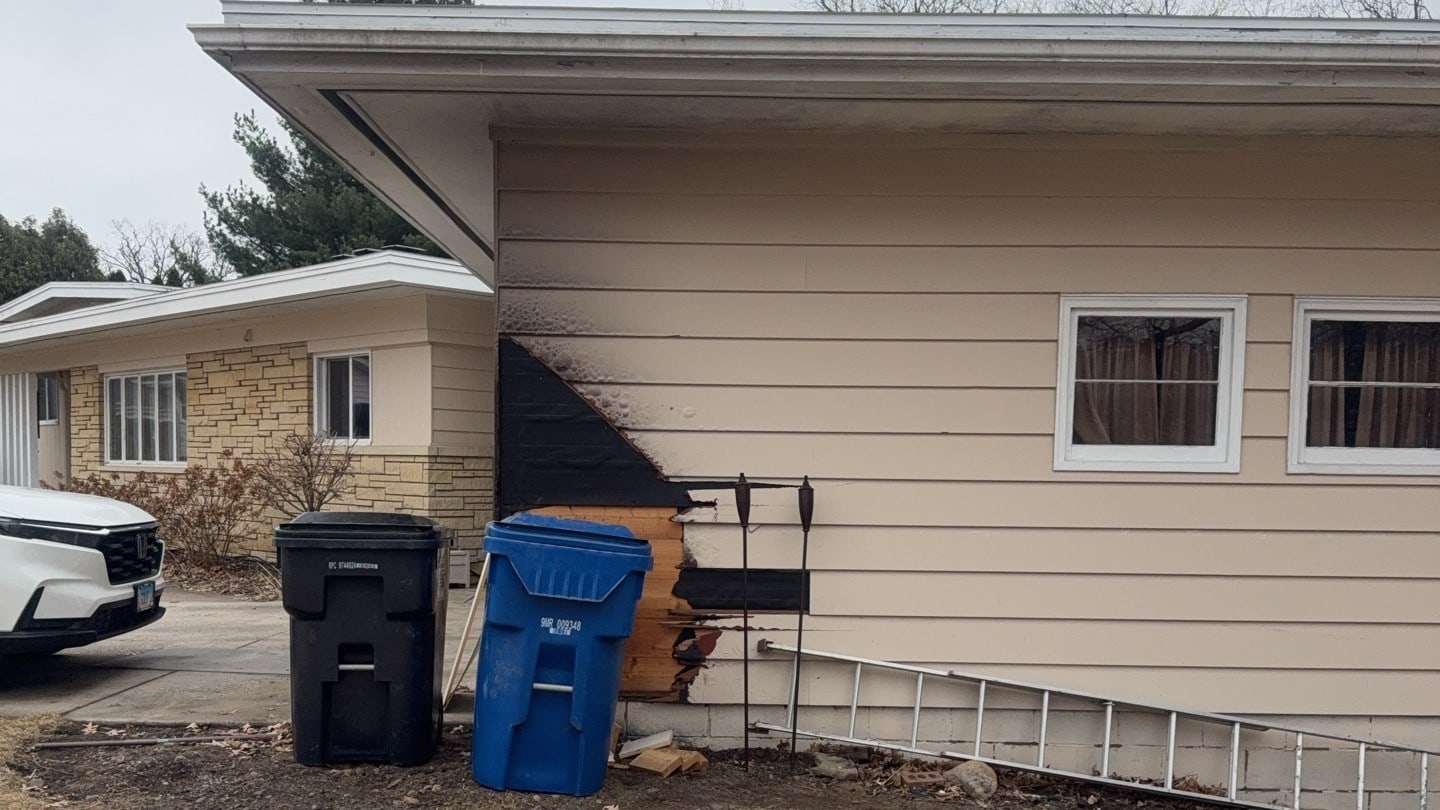
DIY Exterior Home Maintenance for Quad Cities Homeowners
What Exterior Home Maintenance Can the Average Homeowner Do Themselves?
You do not need to be a contractor to take good care of your home's exterior. Many of the most useful maintenance tasks are simple inspections, cleaning, and minor upkeep that an average homeowner can safely perform from the ground. Knowing what you can handle yourself—and when to call a professional—can help protect your home and catch problems earlier.
For Quad Cities homeowners, a good exterior maintenance routine should account for Iowa and Illinois weather. Winter cold, summer heat, thunderstorms, hail, wind, snow, ice, and freeze-thaw cycles can all take a toll on exterior materials.
The good news is that maintaining your exterior does not have to become a second job. Start with a few simple tasks you can safely perform yourself.
1. Walk Around Your Home Twice a Year
One of the best maintenance tools you own is your own set of eyes. Walk around your house every spring and fall and look for anything that has changed.
- Loose or damaged siding
- Sagging gutters
- Loose soffit or fascia
- Cracked window glass
- Damaged screens
- Loose exterior trim
- Water collecting near the foundation
You know what your house normally looks like. Regular inspections make unusual changes much easier to spot.
2. Keep Siding Clean
Dirt, pollen, cobwebs, and organic buildup can accumulate on siding over time. Many siding surfaces can be cleaned with a garden hose, soft brush, and an appropriate mild cleaning solution.
Always follow the siding manufacturer's cleaning recommendations. Be particularly careful with aggressive pressure washing because forcing water behind siding can create problems rather than solve them.
If your siding is becoming difficult to maintain or showing widespread deterioration, explore siding options from Suburban Construction .
3. Check Windows and Screens
Clean your windows and use the opportunity to inspect them.
Open and close each accessible window. Test the locks. Look at the screens, exterior trim, weatherstripping, and surrounding areas.
Watch for drafts, difficult operation, damaged screens, water staining, cracked glass, or condensation that appears between insulated glass panes.
If several windows are showing their age, you can compare replacement window options before deciding whether continued maintenance or replacement makes more sense.
4. Inspect Exterior Doors
Entry and patio doors should open, close, lock, and seal properly.
Check weatherstripping and door sweeps for wear. Look for visible daylight around the perimeter and inspect the threshold for signs of water.
Basic weatherstripping replacement may be a reasonable DIY project. Larger problems involving the frame, water intrusion, or an improperly operating door may deserve professional attention.
Learn more about entry and patio door options from Suburban Construction .
5. Keep an Eye on Gutters and Downspouts
Gutters perform an important job: moving rainwater away from the home.
From the ground, look for sagging sections, leaks, overflowing water, disconnected downspouts, or water collecting near the foundation.
During a moderate rain, safely watching your gutter system from the ground can tell you a lot about how well it is working.
If your gutters need replacement or you want to reduce debris buildup, learn about seamless gutters and gutter protection .
6. Keep Water Moving Away From the Foundation
Walk around the house after a heavy rain and see where the water goes.
Make sure downspout extensions have not moved and that landscaping, mulch, or soil is not creating areas where water collects against the house.
Correcting a simple drainage issue early can be much easier than dealing with repeated water problems later.
7. Trim Vegetation Away From the Exterior
Shrubs, vines, and tree branches should not constantly rub against siding, windows, gutters, or exterior trim.
Keeping vegetation under control also makes it easier to inspect the house and allows exterior surfaces to dry after rain.
8. Look Up at Soffit and Fascia
You do not need to climb a ladder to perform a basic soffit and fascia inspection.
Step back and look along the roofline for loose panels, bent aluminum, staining, missing pieces, or openings where birds or other pests could enter.
Binoculars or your phone's camera zoom can help you inspect higher areas while remaining safely on the ground.
9. Inspect Again After Severe Weather
The Quad Cities can experience hail, strong thunderstorms, and damaging winds, so do not wait until your next seasonal inspection after a significant storm.
Once conditions are safe, walk around the property and look for cracked siding, damaged screens, dented gutters, loose trim, missing soffit, broken glass, and other visible changes.
Take photographs of anything unusual before making temporary repairs whenever it is safe to do so.
What Should the Average Homeowner Probably Not DIY?
Knowing when to stop is part of good home maintenance.
Be cautious about projects involving tall ladders, roof work, significant water intrusion, structural damage, major window or door replacement, large sections of siding, electrical components, or anything beyond your experience and equipment.
A repair that looks simple from the ground may involve flashing, water management, fastening requirements, or other details that are important to the long-term performance of the exterior.
Maintenance Is Usually Cheaper Than Ignoring a Problem
The purpose of routine maintenance is not to make your home perfect.
It is to catch problems while they are still manageable.
A loose downspout, damaged piece of siding, worn weatherstrip, or small drainage issue is generally easier to address when you notice it early.
You Do Not Have to Be a Contractor to Take Better Care of Your Exterior
Some of the most valuable exterior maintenance requires very little technical skill. Pay attention to your home, keep surfaces clean, manage water, and investigate changes instead of ignoring them.
For homeowners throughout Davenport, Bettendorf, Eldridge, LeClaire, Moline, Rock Island, East Moline, and the surrounding Quad Cities, a little preventative attention can go a long way.
Find Something That Is Beyond a DIY Repair?
Suburban Construction Inc. has served Quad Cities homeowners since 1985. If your inspection uncovers aging windows, damaged siding, exterior door problems, failing gutters, or deteriorated soffit and fascia, our team can help you understand your remodeling options.
Visit our Davenport showroom or schedule a free, no-pressure estimate for your exterior remodeling project.
Share This Post
Share it on Facebook or X, or send it through your device share sheet for Instagram.
More Siding Guides
From the Siding Learning Center — Common Questions