Learn the key signs it’s time to replace your windows and how installation quality impacts performance in Quad Cities homes.
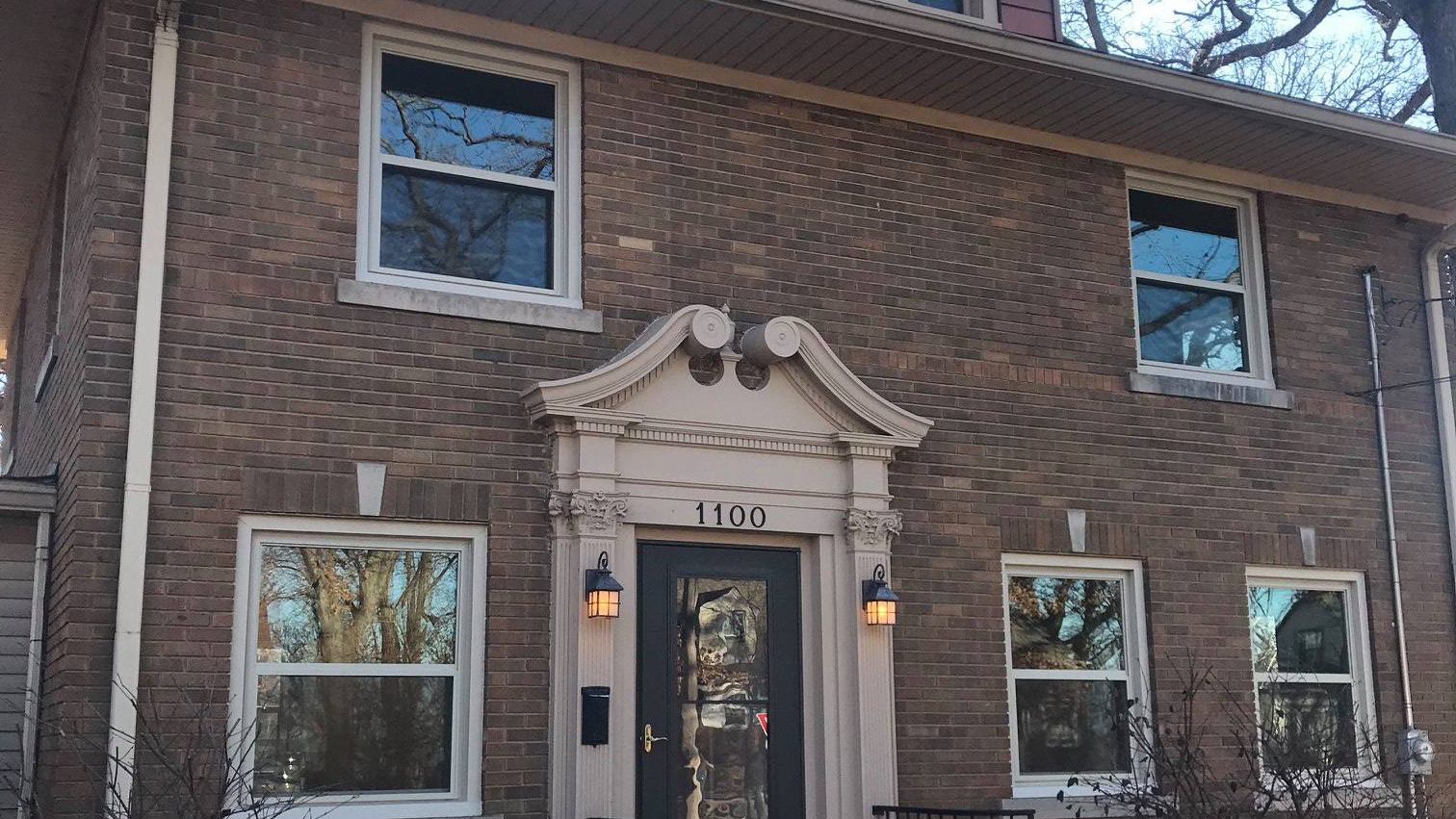
Replacement Guide
How Do I Know It’s Time to Replace My Windows?
By JR Girskis
5–6 minute read
Short answer: if you feel drafts, see condensation between panes, or notice rising energy costs, your windows are likely past their useful performance—not just their age.
In the Quad Cities—Davenport, Bettendorf, Moline, Rock Island, and surrounding areas—windows don’t fail all at once. They decline over time, and most homeowners feel the change before they fully recognize it. Cold air near the glass, uneven room temperatures, and higher heating bills are usually the first signs.
The Most Common Signs It’s Time to Replace
Window problems usually show up in comfort first—not appearance.
Watch for:
- Drafts or cold air near windows during winter
- Condensation or fogging between glass panes
- Windows that are difficult to open or close
- Visible wear, rot, or damaged frames
- Increasing energy bills without another clear cause
If you’re noticing more than one of these, the issue isn’t temporary—it’s systemic.
How Quad Cities Weather Speeds Up the Decision
Local climate accelerates window wear.
- Cold winters increase heat loss and expose air leaks
- Wind pushes cold air through weak seals
- Humid summers stress materials and affect performance
In this region, windows don’t just age—they get tested every season.
When “Repair” Stops Making Sense
Some issues can be fixed—but not all of them.
- Replacing a broken seal may help temporarily
- Hardware repairs can improve function
- Caulking may reduce minor drafts
But if multiple problems exist, replacement is usually more cost-effective than repeated fixes.
What Happens on Installation Day
This is where a window project succeeds or fails.
A proper installation includes:
- Careful removal of the existing window
- Inspection of the opening for hidden rot or damage
- Structural adjustments if needed
- Setting the new window square and level
- Sealing and insulating the entire perimeter
- Flashing to control water and moisture
Replacement windows are a high-trust purchase because the product and the installation are inseparable.
Why Preparation and Cleanup Matter
Homeowners often overlook this—but it reflects the quality of the job.
- Protection of floors, furniture, and landscaping
- Controlled debris removal during installation
- Clean trim work inside and outside
- Final inspection and full cleanup
A well-run project feels organized, clean, and intentional—not disruptive.
The Real Decision: Performance, Not Age
Windows don’t need to be “old” to need replacement—they need to be underperforming.
If your home feels drafty, inconsistent, or harder to heat and cool, your windows are already costing you in comfort and efficiency—even if they still look fine.
Most homeowners replace windows because of how their home feels—not how the windows look.
The Bottom Line
It’s time to replace your windows when they stop delivering comfort, efficiency, and reliable performance—not just when they reach a certain age.
In the Quad Cities, cold winters, wind, and humidity expose weak windows quickly, making replacement a practical upgrade rather than a cosmetic one.
The smartest move is to focus on the full system—product, installation, and sealing—because that’s what turns new windows into long-term comfort and value.
Share This Post
Share it on Facebook or X, or send it through your device share sheet for Instagram.
More Window Guides
From the Windows Learning Center — Common Questions