Are your windows letting cold air into your home? Learn how to check for air leaks before winter using simple DIY methods, including the hand test, paper test, weatherstripping inspection, and checking window locks. Suburban Construction Inc. helps Quad Cities homeowners recognize drafty windows and determine when replacement may be worth considering.
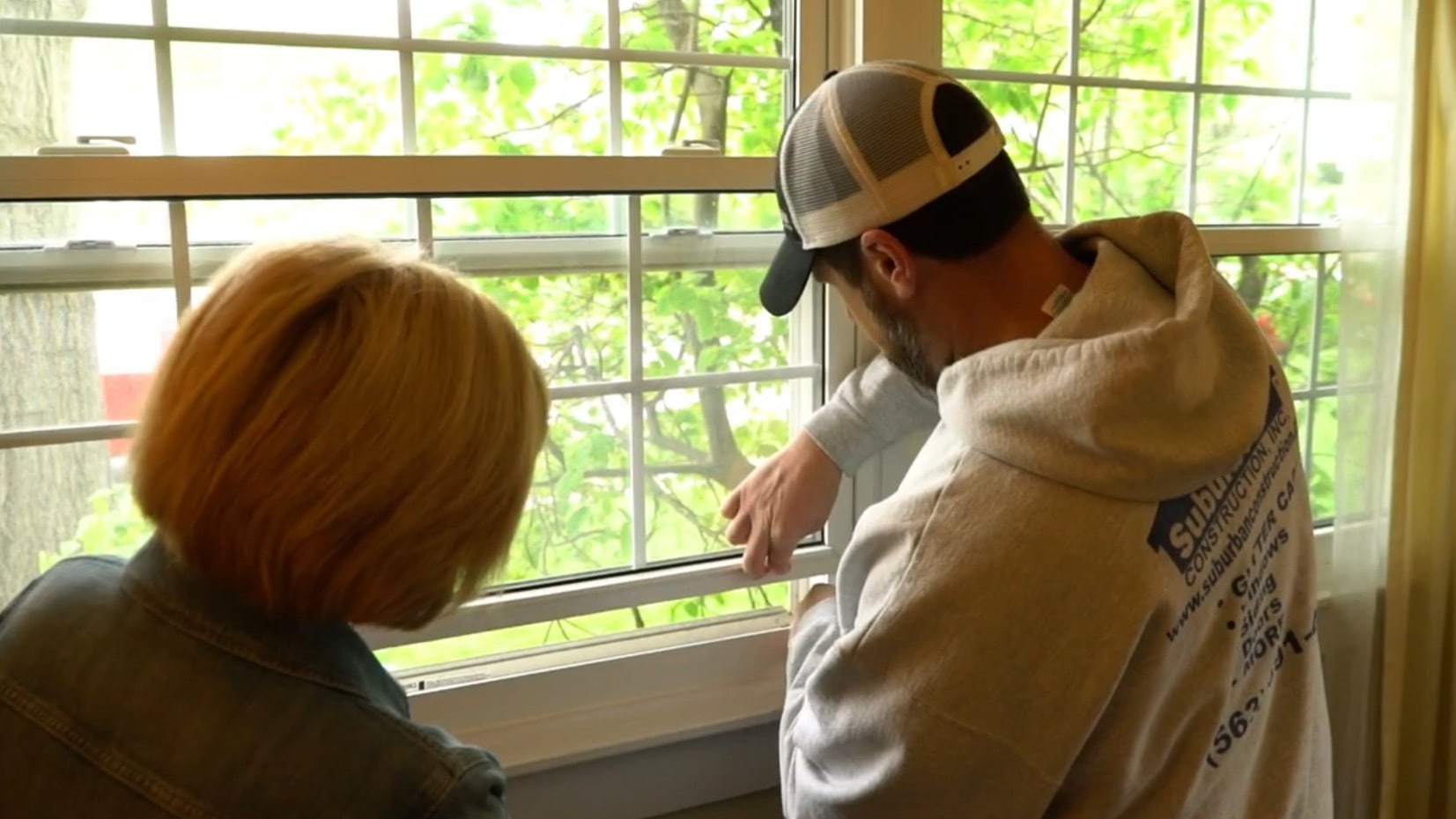
Fall Home Maintenance | Suburban Construction Inc.
How to Check Your Windows for Air Leaks Before Winter
Cold drafts around your windows can make your home uncomfortable and increase heating costs during an Iowa or Illinois winter. Fortunately, you do not need specialized equipment to identify many common air leaks. A few simple inspections can help you determine whether your windows need weatherstripping, minor maintenance, or professional attention before freezing temperatures arrive.
For homeowners throughout Davenport, Bettendorf, Eldridge, LeClaire, Moline, Rock Island, and the surrounding Quad Cities, fall is an ideal time to inspect windows for drafts.
The goal is simple: find where unwanted air is entering your home, identify the likely cause, and address problems before winter weather makes them more noticeable.
1. Start With a Visual Window Inspection
Begin by examining each window from inside your home. Look for damaged weatherstripping, visible gaps, loose trim, cracked caulking, and windows that do not close evenly.
Pay particular attention to the corners, meeting rails, and areas where the window sash contacts the frame.
If you can see daylight through an unintended opening around a closed window, that area deserves further investigation.
2. Use Your Hand to Feel for Cold Drafts
On a cool, windy day, slowly move your hand around the interior perimeter of each closed window.
Check the sides, top, bottom, and the area where the sash meets the frame.
A noticeable stream of moving air may indicate a leak. Remember that cold glass can also create a downward movement of indoor air, so a cold sensation alone does not prove the window is leaking.
3. Try the Paper Test
A simple sheet of paper can help identify areas where a window sash may not be sealing consistently.
Place a piece of paper between the sash and frame at a location where it can safely be closed. Close and lock the window, then gently pull the paper.
If the paper slides out with almost no resistance, the seal may deserve closer inspection. Compare several locations around the window. This is only a rough screening test, not a definitive measurement of air leakage.
4. Inspect Weatherstripping
Weatherstripping helps limit air movement around the operable parts of a window.
Over time, it can become compressed, torn, loose, or worn. Inspect accessible seals for missing sections and obvious deterioration.
Some weatherstripping can be replaced as a DIY project, but use components compatible with your window system. Incorrect materials can interfere with operation or prevent the window from locking properly.
5. Check That Windows Close and Lock Properly
Window locks do more than provide security. On many window designs, locking mechanisms help pull the sash into its intended closed position.
Open and close each window, then check whether the lock engages normally.
If a sash is difficult to operate, visibly crooked, or unable to lock, do not force it. The problem may involve alignment, hardware, or deterioration.
6. Examine Interior and Exterior Caulking
Caulking is commonly used at designated stationary joints between window trim, frames, and surrounding materials.
Look for cracks, missing sealant, and areas where caulk has separated from the surface.
Never caulk moving sash components or block exterior weep holes and drainage openings. If you are uncertain whether a gap should be sealed, consult the manufacturer's instructions.
7. Consider a Professional Energy Assessment
Some drafts are difficult to locate without specialized equipment.
A qualified home energy professional may use a blower door and diagnostic tools to identify air leakage around windows, wall penetrations, and other parts of the building envelope.
This can be especially useful when your home feels drafty even after obvious weatherstripping and sealing problems have been addressed.
8. Know When Window Replacement Makes Sense
Not every drafty window needs replacement. Sometimes a simple adjustment or compatible weatherstripping solves the problem.
However, recurring drafts, deteriorated frames, persistent water intrusion, failed insulated glass, or windows that no longer operate properly may justify considering replacement.
Explore energy-efficient replacement window options from Suburban Construction if your existing windows are no longer performing as they should.
Small Drafts Are Worth Investigating Before Winter
Identifying air leaks in October or November is generally easier than dealing with uncomfortable rooms during the coldest part of winter.
If your windows are aging, explore Suburban Construction's local history and learn why Quad Cities homeowners have trusted our team for exterior remodeling since 1985.
You can also explore our Davenport showroom to see replacement window options and discuss features with our team.
Tired of Drafty Windows Every Winter?
Suburban Construction Inc. has served Quad Cities homeowners since 1985, specializing in professionally installed replacement windows, siding, entry doors, patio doors, seamless gutters, and exterior remodeling.
If your windows are difficult to operate, repeatedly drafty, or showing signs of deterioration, our Davenport team can help you explore replacement options that fit your home.
Share This Post
Share it on Facebook or X, or send it through your device share sheet for Instagram.
More Window Guides
From the Windows Learning Center — Problems & Repairs