Spring is the perfect time to inspect your home's exterior after winter. Use this 10-point checklist to check siding, windows, doors, gutters, soffit, fascia, trim, drainage, and other important exterior areas before small problems become larger repairs.
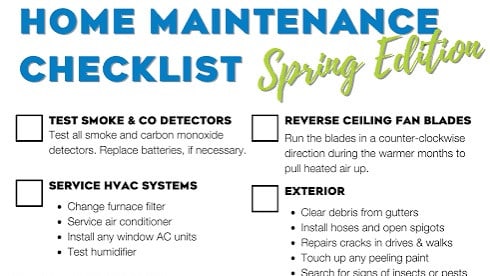
Spring Exterior Home Maintenance
10 Things Every Homeowner Should Check Outside Their Home Every Spring
Spring is one of the best times to inspect your home's exterior. Winter wind, snow, ice, temperature swings, and moisture can reveal small problems in siding, windows, doors, gutters, soffit, fascia, trim, and drainage. A simple walk around the house can help you catch issues early, plan maintenance, and decide whether anything needs professional attention before another season of storms and summer heat arrives.
You do not need to be a contractor to perform a useful spring exterior inspection.
You just need to know what to look for.
The goal is not to diagnose every possible problem. It is to recognize changes, damage, and warning signs before they become easier to ignore and harder to repair.
Here are ten areas every homeowner should check outside the house each spring.
1. Check the Siding for Cracks, Loose Panels, and Damage
Start with the siding because it covers most of the exterior and is exposed to weather all year.
Look for:
- Cracks
- Loose panels
- Unlocked vinyl siding
- Holes or impact damage
- Warping or distortion
- Open joints
- Dents from hail or debris
- Panels that look different from the surrounding wall
One damaged panel does not automatically mean the entire house needs new siding, but it is worth understanding whether the issue is isolated or part of a larger pattern.
Learn more about siding options from Suburban Construction .
2. Inspect Windows and Exterior Window Trim
Windows can show both cosmetic and performance-related problems after winter.
From the exterior, check for:
- Loose or damaged exterior trim
- Cracked or deteriorated sealant where appropriate
- Visible gaps around frames
- Peeling paint on exposed wood
- Rot or soft wood
- Broken screens
- Cracked glass
- Condensation or fogging between panes
Fogging between panes can indicate a failed insulated-glass seal.
From inside, open and close several windows to make sure they operate and lock properly.
Explore replacement window options from Suburban Construction.
3. Check Entry and Patio Doors
Exterior doors take a lot of abuse from temperature swings, wind, moisture, and daily use.
Look for:
- Damaged weatherstripping
- Visible daylight around the door
- Loose sweeps
- Damaged thresholds
- Doors that rub, stick, or sag
- Loose exterior trim
- Peeling or damaged finishes
- Water staining near the opening
A properly adjusted door should close, latch, and seal without requiring excessive force.
4. Look at the Gutters and Downspouts
Gutters are easy to ignore until they stop working correctly.
Spring is a good time to check whether winter snow, ice, wind, or debris affected the system.
Look for:
- Sagging sections
- Loose hangers
- Gutters pulling away from fascia
- Loose or disconnected downspouts
- Visible leaks
- Overflow staining
- Debris buildup
- Water discharging too close to the foundation
During the next rain, watch the system from the ground and make sure water is moving through the gutters and away from the house.
Learn more about seamless gutters and gutter protection .
5. Inspect Soffit and Fascia
Step back from the house and look along the roofline.
Check for:
- Loose soffit panels
- Missing pieces
- Bent fascia
- Fascia pulling away
- Peeling paint on exposed wood
- Dark stains
- Rot or deterioration
- Potential animal entry points
Damage in these areas can sometimes be related to gutter issues, moisture, roof-edge problems, or animal activity, so it is important to understand the source of the problem rather than only covering the visible damage.
6. Check Exterior Trim and Aluminum Wrapping
Exterior trim helps finish and protect windows, doors, fascia, rake boards, and other architectural details.
Look for:
- Loose aluminum
- Bent trim
- Open seams
- Peeling finishes
- Exposed wood
- Rot behind damaged trim
- Pieces pulling away from windows or doors
Small trim problems are often easier to address before wind or water makes them worse.
7. Inspect the Areas Around Vents, Faucets, Lights, and Utilities
Every penetration through the exterior creates another detail that deserves a quick look.
Inspect areas around:
- Exterior faucets
- Dryer vents
- Electrical outlets
- Light fixtures
- Utility lines
- Exterior cameras
- Mounting blocks
- Hose reels and accessories
Look for cracked siding, damaged mounting blocks, gaps, loose fixtures, or other visible problems around these areas.
8. Check the Bottom of the House and Foundation Line
The lower portion of the exterior is exposed to splashback, snow buildup, landscaping, and lawn equipment.
Walk the foundation line and look for:
- Soil or mulch pushed against siding
- Standing water
- Low spots next to the foundation
- Damaged lower siding
- Cracked trim
- Downspouts releasing water too close to the house
- Vegetation touching the siding
Keeping the lower exterior visible and reasonably clear makes it easier to monitor for moisture and damage.
9. Check Drainage Around the Property
A home's exterior does not stop at the siding.
Water needs somewhere to go once it leaves the roof and downspouts.
After a spring rain, look for:
- Standing water near the foundation
- Erosion around downspouts
- Water flowing toward the house
- Low areas that stay wet
- Water collecting near entry doors or patios
Good drainage helps reduce unnecessary moisture exposure around the home.
10. Step Back and Look at the Home's Overall Condition
Finish by stepping back and looking at the exterior as a complete system.
Ask yourself:
- Does anything look noticeably different from last year?
- Does the siding still look consistent?
- Do the windows appear dated or damaged?
- Is the front door showing its age?
- Do the gutters appear undersized or worn?
- Are soffit and fascia deteriorating?
- Does the exterior still look the way you want it to?
Not every spring inspection needs to lead to a repair project. Sometimes it simply helps you create a better plan for the next few years.
Take Pictures While You Walk
Your phone can turn a simple inspection into a useful maintenance record.
Photograph anything questionable and take several wider pictures of each side of the house.
Save them in a folder labeled with the year.
Next spring, take similar photos and compare them.
Gradual changes in siding, trim, gutters, and other exterior components are often easier to recognize when you have older photographs for comparison.
Look Again After the First Major Spring Storm
The first spring inspection creates a baseline.
After a significant wind or hail event, walk around the house again and compare what you see.
Pay attention to siding, screens, aluminum trim, gutters, downspouts, soffit, fascia, and other exposed components.
Document anything new before moving or repairing damaged components.
When Does a Small Problem Need Faster Attention?
Not every cosmetic issue is urgent.
Problems that may allow water, pests, or additional weather exposure deserve more attention.
Examples include:
- Missing siding
- Large cracks or holes
- Loose fascia
- Open areas around windows or doors
- Active water intrusion
- Rotten exterior wood
- Gutters pulling away
- Loose components that could fall
If you are unsure whether an issue is cosmetic or could affect the underlying wall system, having it evaluated can help you make a more informed decision.
Repair Does Not Always Mean Replacement
Finding a damaged siding panel, window issue, or gutter problem does not automatically mean you need to replace the entire system.
Sometimes the correct answer is maintenance.
Sometimes it is an isolated repair.
Replacement may make more sense when problems become widespread, the product is near the end of its useful life, repair parts are difficult to obtain, or repeated service is becoming less practical.
The Age of the Exterior Matters
A spring inspection becomes more useful when you understand roughly how old the home's exterior components are.
One cracked panel on a relatively new siding system is different from repeated cracking on an older system with discontinued colors and profiles.
The same principle applies to windows, doors, gutters, soffit, fascia, and exterior trim.
Spring Is Also a Good Time to Think About Curb Appeal
Exterior inspections do not have to focus only on damage.
Spring is a natural time to think about how the home looks.
Ask:
- Does the siding still complement the roof?
- Would a new front door improve the entry?
- Do the windows look dated?
- Would contrasting trim improve the architecture?
- Do the gutters and downspouts blend into the exterior?
- Would updated soffit and fascia improve the roofline?
If you are considering future exterior work, identifying priorities early gives you more time to compare products and contractors carefully.
When Should You Call an Exterior Contractor?
Consider getting a professional opinion when you see:
- Widespread siding damage
- Several failing windows
- Rotten exterior wood
- Recurring water problems
- Gutters pulling away from the house
- Storm or hail damage
- Loose soffit or fascia
- Exterior issues you are unsure how to evaluate
A good contractor should explain what they see and discuss whether maintenance, repair, or replacement is the more reasonable option.
Why Spring Inspections Matter in the Quad Cities
Homes throughout Davenport, Bettendorf, Eldridge, Moline, Rock Island, and surrounding communities experience demanding seasonal weather.
Winter cold can be followed by spring rain, wind, hail, humidity, and summer heat.
Exterior products need to manage all of those conditions, which makes routine inspection especially useful in Eastern Iowa and Western Illinois.
Suburban Construction Has Served Quad Cities Homeowners Since 1985
Suburban Construction Inc. has worked with homeowners throughout Davenport, Bettendorf, Eldridge, LeClaire, Moline, Rock Island, East Moline, and surrounding communities for more than four decades.
Our exterior remodeling services include replacement windows, siding, doors, seamless gutters, gutter protection, soffit, fascia, and exterior trim.
Learn more about Suburban Construction's history in the Quad Cities .
A Simple Spring Walk-Around Can Tell You a Lot
You do not need special equipment or hours of free time to become more familiar with your home's exterior.
Walk around the house. Look carefully. Take pictures. Compare what you see with previous years.
Small changes are much easier to recognize when you know what the exterior normally looks like.
That knowledge can help you address minor issues earlier and make better decisions when maintenance, repair, or replacement eventually becomes necessary.
Find Something During Your Spring Inspection?
If you notice damaged siding, failing windows, worn exterior doors, loose gutters, deteriorated soffit or fascia, or another exterior concern, Suburban Construction Inc. can help you evaluate your options.
Visit our Davenport showroom or schedule a free, no-pressure estimate for your window, siding, door, gutter, soffit, fascia, or exterior remodeling project.
Share This Post
Share it on Facebook or X, or send it through your device share sheet for Instagram.
More Siding Guides
From the Siding Learning Center — Common Questions