Give your home a quick spring checkup with this 30-minute exterior inspection for Quad Cities homeowners. Learn what to look for on siding, windows, doors, gutters, soffit, fascia, trim, and drainage after an Iowa or Illinois winter.
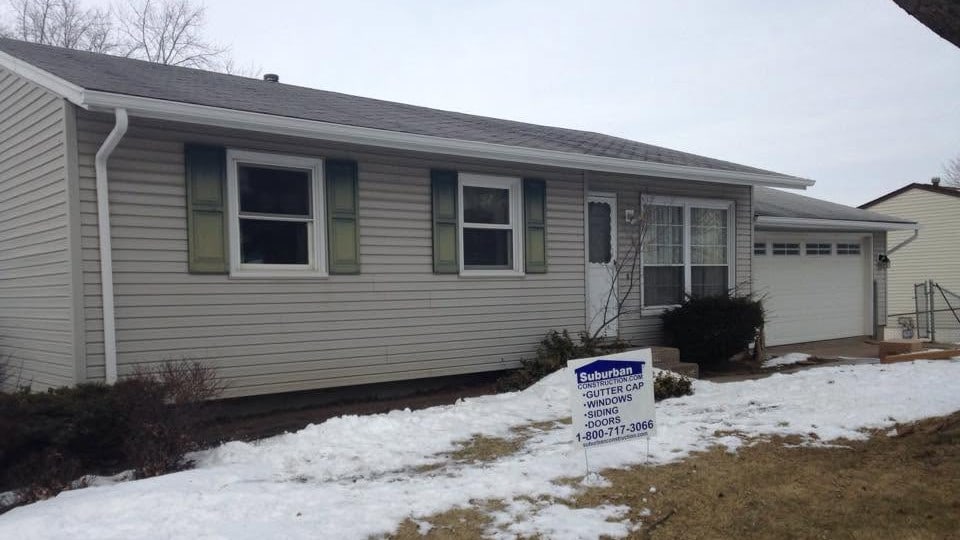
Spring Home Maintenance for Quad Cities Homeowners
The 30-Minute Spring Exterior Home Inspection for Quad Cities Homeowners
A Quad Cities winter can be hard on a home's exterior. Cold temperatures, wind, snow, ice, freeze-thaw cycles, and spring storms can reveal small problems that were easy to miss during winter. The good news is that homeowners do not need an entire weekend to look for warning signs. A simple 30-minute spring exterior inspection can help you spot potential issues with siding, windows, doors, gutters, soffit, fascia, and exterior trim before minor problems become larger repairs.
Spring is one of the best times of year to walk around your home and simply look.
You are not trying to perform a professional inspection or diagnose every possible construction issue.
You are looking for changes.
Something loose. Something cracked. Something pulling away. A window that suddenly feels drafty. A gutter that is sagging. A piece of siding that looks different from the rest of the wall.
Catching those changes early can make it much easier to decide what needs maintenance, what can be monitored, and what may deserve a closer look from an exterior remodeling professional.
Before You Start: Keep the Inspection Simple and Safe
This inspection is intended to be completed primarily from the ground.
You do not need to climb onto the roof or set up a tall ladder to perform a useful spring exterior check.
Bring:
- Your phone for photos
- A notepad or notes app
- A flashlight if you have shaded areas
- Binoculars if you want a closer look at higher areas
The goal is observation, not risky climbing.
Minutes 1–5: Step Back and Look at the Entire House
Start farther away from the house than you might expect.
Walk to the end of the driveway or yard and look at each elevation as a complete exterior.
This wider view can reveal issues that are harder to notice when you are standing directly next to the wall.
Look for:
- Sections of siding that appear uneven
- Loose or missing panels
- Waves, bulges, or unusual movement
- Trim that appears crooked or detached
- Gutters that appear to sag
- Fascia or soffit that looks damaged
- Changes in color or staining
Take photos of anything that looks different so you can compare it later or show it to a contractor if necessary.
Minutes 5–10: Check the Siding
Next, walk closer to the house and inspect the siding.
Quad Cities homes can experience strong winds, hail, temperature swings, and winter weather that may affect exterior cladding.
Look for:
- Cracked siding panels
- Loose panels
- Panels that have unlocked
- Dents or impact marks
- Warping or distortion
- Faded or mismatched repair areas
- Open joints
- Damage around utility penetrations
- Signs that trim or accessories have pulled away
Do not assume every unusual-looking siding panel requires a full replacement.
Some siding issues can be repaired individually, especially if matching material is still available.
If the siding is older, however, color matching and product availability may become more difficult.
Learn more about siding options from Suburban Construction .
Look Closely at the Bottom Courses of Siding
The lower sections of siding are easy to inspect and can reveal impact or moisture-related issues.
Pay particular attention near:
- Decks
- Patios
- Landscape beds
- Driveways
- Walkways
- Downspout discharge areas
Snow, ice, landscaping equipment, and splashback can all affect these areas over time.
Minutes 10–15: Inspect Windows and Exterior Window Trim
Windows deserve their own part of the spring inspection because problems can show up both outside and inside.
From the exterior, look for:
- Cracked or damaged exterior trim
- Loose aluminum wrapping
- Failed or missing sealant where appropriate
- Visible gaps around the window
- Peeling paint on exposed wood
- Rot or deterioration
- Damaged screens
- Broken glass
- Condensation between glass panes
Condensation or fogging between panes can be a sign that the insulating glass seal has failed.
That does not necessarily mean every window in the house needs to be replaced, but it is worth documenting and evaluating.
Explore replacement window options from Suburban Construction .
Check Window Operation From Inside Too
Once the exterior walk-around is complete, spend a few minutes operating several windows from inside.
Ask:
- Does the window open smoothly?
- Does it stay open?
- Does it lock properly?
- Is the weatherstripping intact?
- Do you feel an obvious draft?
- Is there water staining around the frame?
A window that suddenly becomes difficult to operate may deserve closer attention.
Minutes 15–18: Check Entry and Patio Doors
Winter can reveal weaknesses in exterior doors, particularly around weatherstripping and thresholds.
Inspect entry and patio doors for:
- Drafts
- Loose weatherstripping
- Visible daylight around the frame
- Doors rubbing or sticking
- Damaged thresholds
- Loose exterior trim
- Peeling or damaged finish
- Water staining near the opening
A door should close and latch without excessive force while maintaining good contact with the weatherstripping.
Minutes 18–23: Inspect Gutters and Downspouts
Gutters have one basic job: move water away from areas where it can create problems.
Spring is a good time to look for damage caused by winter snow, ice, debris, and freeze-thaw cycles.
From the ground, check for:
- Sagging gutter sections
- Gutters pulling away from fascia
- Loose downspouts
- Missing downspout sections
- Visible leaks at joints
- Overflow staining
- Debris buildup
- Downspouts discharging too close to the foundation
The next time it rains, take another walk around the house and watch how the system performs.
Water spilling over the front of a gutter can indicate a blockage, drainage problem, or insufficient capacity.
Learn more about seamless gutters and gutter protection from Suburban Construction.
Pay Attention to Where Downspouts End
A gutter system can be functioning correctly and still create problems if the downspouts release water directly next to the foundation.
Look for erosion, standing water, or obvious channels where runoff repeatedly flows toward the house.
Managing that water is an important part of protecting the exterior and foundation area.
Minutes 23–26: Look at Soffit and Fascia
Soffit and fascia can be overlooked because much of it is above eye level.
Step back and inspect the roofline from the ground.
Look for:
- Loose soffit panels
- Missing soffit
- Fascia pulling away
- Bent or damaged aluminum
- Peeling paint on exposed wood
- Dark staining
- Signs of animal entry
- Areas that appear soft or deteriorated
Damage in these areas can sometimes be related to gutter issues, roof-edge problems, moisture, or animal activity, so it is worth investigating the cause instead of only covering the visible symptom.
Minutes 26–28: Inspect Exterior Trim and Penetrations
Walk around the house and look at the places where other components interrupt the siding.
Examples include:
- Exterior faucets
- Electrical outlets
- Light fixtures
- Dryer vents
- Utility lines
- Mounting blocks
- Exterior cameras
- Hose reels
Check for loose mounting blocks, cracked trim, open gaps, or siding damage surrounding these penetrations.
Minutes 28–30: Walk the Foundation Line
Finish the inspection by looking where the siding, grade, landscaping, and foundation meet.
Look for:
- Soil or mulch pushed too high against the siding
- Standing water near the house
- Areas where runoff moves toward the foundation
- Cracked lower siding
- Damaged trim
- Vegetation growing directly against the exterior
Keeping reasonable clearance around exterior materials can make inspection easier and reduce unnecessary moisture exposure.
Do a Second Inspection During the Next Heavy Rain
Some exterior problems only become obvious when water is moving.
During a safe spring rain, look through the windows or step outside under cover and observe:
- Whether gutters are overflowing
- Whether downspouts are flowing
- Whether water is running toward the foundation
- Whether water is collecting near doors
- Whether obvious exterior joints are leaking
Do not climb ladders or inspect the roof during wet conditions.
Take Photos Even if the Problem Looks Small
One of the easiest ways to monitor an exterior issue is to photograph it.
Take a wide photo showing where the issue is located and a close-up showing the detail.
If you inspect the same area again later in the year, you will have something to compare against instead of relying on memory.
What Damage Should You Address Quickly?
Not every cosmetic issue requires immediate work.
Some exterior conditions deserve faster attention, especially when they may allow water or pests into the building.
Examples include:
- Missing siding
- Large cracks or holes
- Loose fascia
- Open areas around windows or doors
- Active water intrusion
- Rotten exterior wood
- Gutters pulling away from the house
- Loose exterior components that could fall
If you are unsure whether something is only cosmetic or could affect the underlying wall system, having it evaluated is usually better than guessing.
Hail Damage Can Be Harder to Identify Than Homeowners Expect
The Quad Cities can experience strong spring and summer storms, and hail does not affect every exterior material the same way.
Obvious damage may include dents, cracks, holes, or broken components.
Other damage may be more subtle.
If a significant hailstorm affects your neighborhood, document what you can see and consider having the exterior evaluated before assuming everything is fine.
Do Not Ignore One Damaged Siding Panel
A single damaged siding panel may seem unimportant, but it can also be an opportunity to address a small problem before it grows.
In some cases, an individual panel can be replaced without replacing the entire siding system.
The challenge with older siding is often finding a compatible profile and color.
If the siding is older or discontinued, additional investigation may be needed before deciding how to repair it.
Know the Difference Between Maintenance and Replacement
Finding a problem does not automatically mean you need a new siding system, new windows, or new gutters.
Sometimes the correct answer is maintenance.
Sometimes it is a small repair.
Replacement becomes a stronger consideration when problems are widespread, components are near the end of their useful life, repairs are becoming repetitive, or the homeowner wants to improve appearance, efficiency, or maintenance requirements.
Look at the Age of the Exterior System
Context matters when evaluating what you find.
One cracked siding panel on a relatively new exterior may be a straightforward repair.
Multiple cracked panels on an older system with faded colors, unavailable replacement material, and repeated repairs may point toward a different long-term decision.
The same principle applies to windows, doors, gutters, soffit, and fascia.
Spring Is a Good Time to Think About Curb Appeal Too
Not every exterior improvement begins with damage.
Spring is also a good time to step back and decide whether the exterior still looks the way you want it to.
Ask yourself:
- Does the siding color still work with the roof?
- Do the windows look dated?
- Would contrasting trim improve the architecture?
- Does the front door still fit the style of the home?
- Do the gutters and downspouts look undersized or visually distracting?
- Would updating soffit and fascia improve the roofline?
A spring inspection can be as useful for planning future improvements as it is for finding damage.
Keep a Simple Annual Exterior Record
Consider creating a folder on your phone called "Home Exterior."
Once each spring, take photos of the same elevations, windows, rooflines, and problem areas.
Over time, those photos can help you identify gradual changes in siding, trim, gutters, and other exterior components that are difficult to notice day to day.
When Should You Call an Exterior Contractor?
Consider getting a professional opinion when:
- You see widespread siding damage
- Several windows show signs of failure
- You find rotten exterior wood
- Gutters are pulling away or repeatedly overflowing
- Exterior components have been damaged by hail or wind
- You see signs of recurring water intrusion
- You are unsure whether repair or replacement makes more sense
A good contractor should be able to explain what they see and discuss reasonable options rather than assuming every inspection needs to become a full replacement project.
Why Local Experience Matters in the Quad Cities
Exterior products in the Quad Cities need to handle a wide range of conditions.
Hot summers, cold winters, wind, hail, snow, ice, rain, humidity, and repeated freeze-thaw cycles all place different stresses on a home's exterior.
Working with a contractor familiar with Eastern Iowa and Western Illinois can be helpful when evaluating which problems are common locally and which products may be appropriate for the region.
Suburban Construction Has Served Quad Cities Homeowners Since 1985
Suburban Construction Inc. has worked with homeowners throughout Davenport, Bettendorf, Eldridge, LeClaire, Moline, Rock Island, East Moline, and surrounding communities for more than four decades.
Our exterior remodeling work includes replacement windows, siding, doors, seamless gutters, gutter protection, soffit, fascia, and exterior trim.
Learn more about Suburban Construction's history in the Quad Cities .
Thirty Minutes Now Can Help You Understand Your Exterior Better
A spring walk-around does not replace a professional inspection, and it does not require homeowners to become exterior remodeling experts.
It simply helps you become familiar with your own house.
When you know what the siding, windows, doors, gutters, soffit, and fascia normally look like, changes become much easier to recognize.
That gives you a better chance to address small problems early and make thoughtful decisions about maintenance, repair, or replacement.
Find Something During Your Spring Inspection?
If you notice damaged siding, failing windows, loose gutters, deteriorated soffit or fascia, or another exterior issue, Suburban Construction Inc. can help you evaluate your options.
Visit our Davenport showroom or schedule a free, no-pressure estimate for your window, siding, door, gutter, soffit, fascia, or exterior remodeling project.
Share This Post
Share it on Facebook or X, or send it through your device share sheet for Instagram.
More Siding Guides
From the Siding Learning Center — Common Questions