The best vinyl siding for hail in Illinois is a premium, thicker siding system like Gentek Sequoia Select, paired with expert installation and proper weather protection.
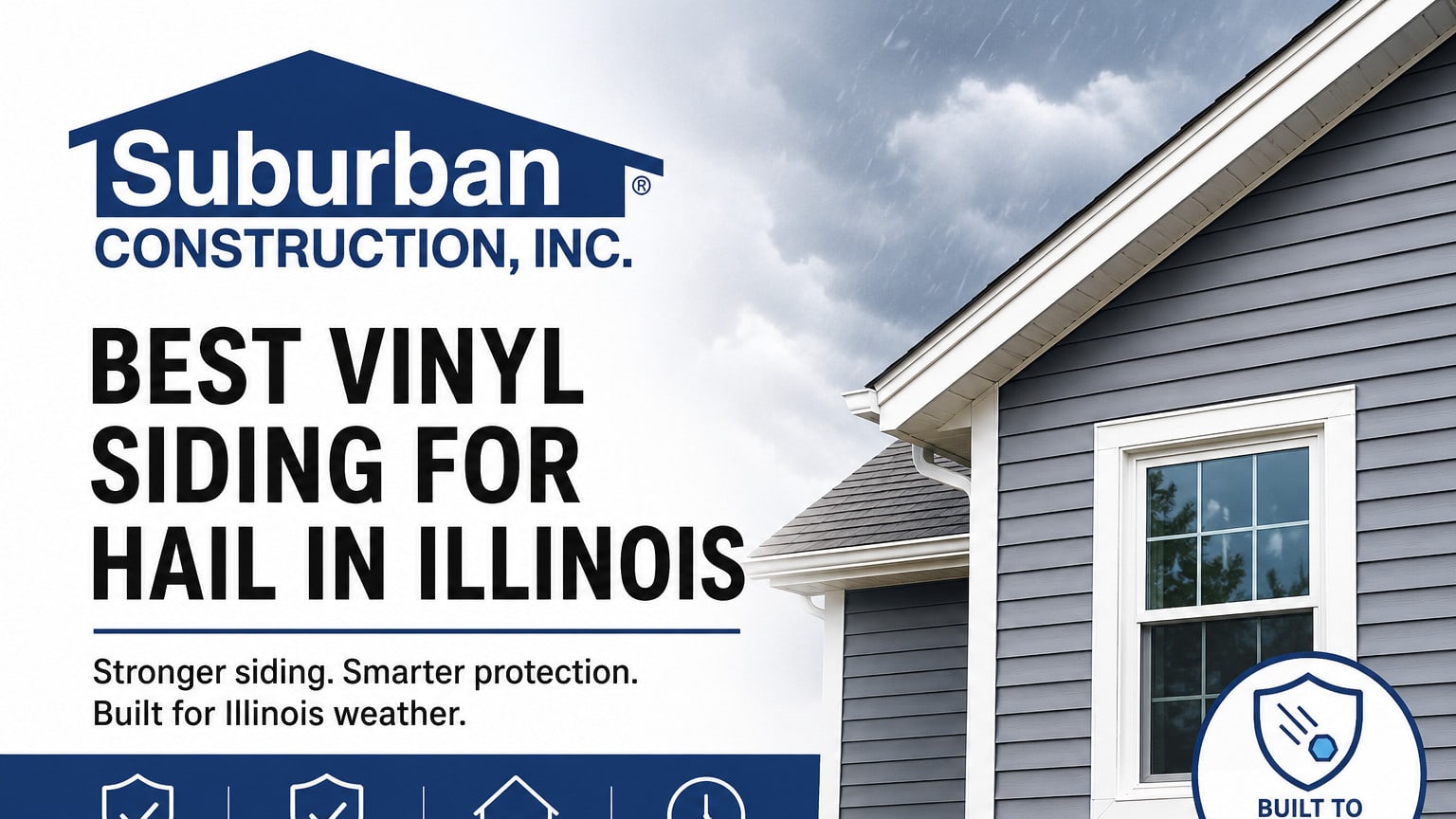
Illinois Hail-Resistant Siding Guide
Best Vinyl Siding for Hail in Illinois
For Illinois homes, the best vinyl siding for hail is a premium, thicker vinyl siding system with strong panel rigidity, dependable lock design, and professional installation. While no vinyl siding is completely hail-proof, higher-quality products can offer better protection, better appearance, and stronger long-term value after Midwest storms.
Illinois weather can be rough on siding. Homes face hail, wind, rain, humidity, freezing winters, and hot summer sun. That means siding should be chosen for more than color alone. The right product needs to handle impact, movement, moisture, and daily exposure while still keeping the home looking sharp.
Best Overall Choice: Gentek Sequoia Select
For many Illinois homeowners, Gentek Sequoia Select is a strong vinyl siding option for hail-prone areas. Its .046 premium thickness gives the panel more rigidity than many basic siding products, helping the home look cleaner and feel more protected.
- .046 panel thickness: a stronger choice than thinner entry-level siding.
- Improved rigidity: helps reduce waviness and gives the exterior a more finished look.
- Low maintenance: no routine painting, scraping, or staining.
- Good moisture performance: vinyl does not rot like wood siding.
- Strong curb appeal: available in attractive colors, profiles, and woodgrain textures.
What Makes Vinyl Siding Better for Hail?
Hail performance is not based on one feature alone. A better siding system combines panel strength, flexibility, proper fastening, and quality trim details. The installation matters just as much as the product.
- Thicker panels generally offer better durability than thin builder-grade siding.
- Strong locking systems help panels stay secure during wind-driven storms.
- Proper fastening allows vinyl siding to expand and contract without stress.
- Quality trim and accessories help protect vulnerable edges and transitions.
- Correct flashing and house wrap protect the wall system behind the siding.
Why Illinois Homes Need Storm-Ready Siding
From the Quad Cities to central and northern Illinois, hail can arrive quickly and cause visible damage to older or lower-quality siding. Cracks, chips, broken corners, and loosened panels are common after severe storms.
Illinois siding should be ready for:
- Hail during spring and summer storms
- Strong straight-line winds
- Heavy rain and humidity
- Freeze-thaw movement in winter
- Sun exposure and color fading over time
- Debris impact during severe weather
Should You Choose Insulated Vinyl Siding?
Insulated vinyl siding can be a smart upgrade for some Illinois homes. The foam backing helps the panel sit flatter against the wall and can improve the finished appearance. It may also add support behind the siding, which can help with minor impacts and everyday durability.
If the home has older, uneven walls or the homeowner wants a more premium exterior, insulated vinyl siding is worth comparing.
What to Avoid if Hail Is a Concern
- Thin, builder-grade vinyl siding
- Choosing siding only by lowest price
- Weak trim packages or cheap accessories
- Improper fastening that restricts siding movement
- Ignoring house wrap, flashing, and water management
- Hiring installers who do not specialize in siding systems
The Best Answer for Illinois Hail
If you want vinyl siding that is better prepared for Illinois hail, choose a premium product like Gentek Sequoia Select and make sure it is installed by a contractor who understands Midwest weather. The siding panel matters, but the full system matters more.
A strong siding system should include quality panels, proper trim, careful flashing, clean fastening, and a design that protects the home while improving curb appeal.
Need Hail-Resistant Vinyl Siding in Illinois?
Suburban Construction helps Illinois homeowners compare premium vinyl siding options built for hail, wind, humidity, and Midwest weather. If your siding is damaged, aging, or ready for an upgrade, we can help you choose a system that looks good and protects your home for years.
Share This Post
Share it on Facebook or X, or send it through your device share sheet for Instagram.
More Siding Guides
From the Siding Learning Center — Materials & Products