Vinyl siding can often last 30 to 50 years or longer in Iowa when it is properly installed and maintained. Learn how wind, hail, freezing temperatures, installation quality, fading, and water damage affect siding lifespan—and when repair becomes replacement.
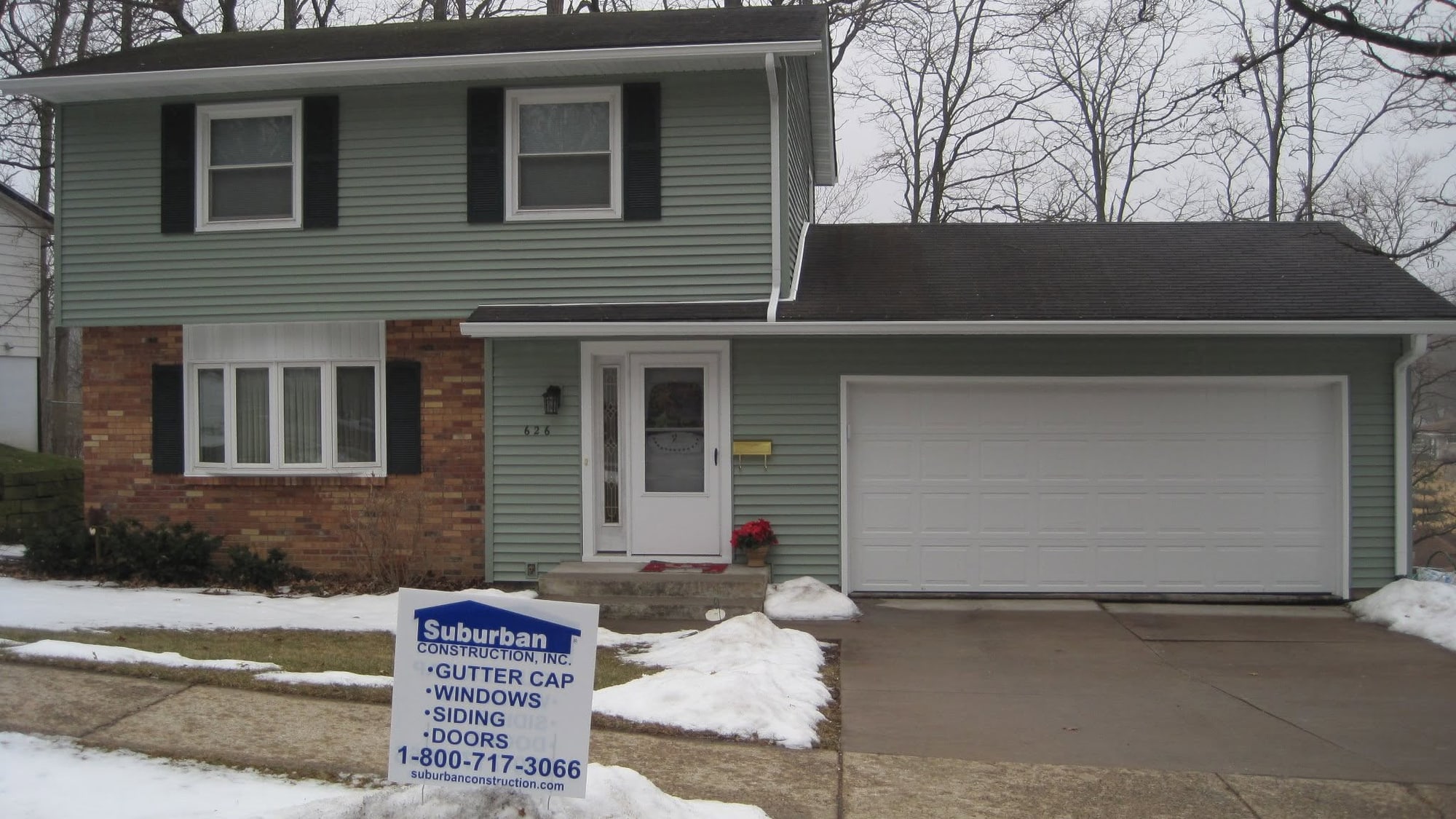
Iowa Vinyl Siding Lifespan Guide
```How Long Should Vinyl Siding Last in Iowa?
Properly manufactured and installed vinyl siding can often remain serviceable for 30 to 50 years or longer in Iowa. Industry environmental-product data describes vinyl siding as having a useful life of at least 50 years, while many major manufacturers support qualifying products with lifetime limited warranties. Actual performance depends on installation quality, product grade, storm exposure, maintenance, wall construction, and how quickly damage is repaired.
```Iowa homes experience strong winds, hail, humid summers, freezing winters, snow, ice, and repeated temperature changes. Quality vinyl siding is designed to tolerate heat, cold, moisture, and substantial wind exposure when installed correctly, but no exterior cladding is immune to impact damage, installation errors, or neglected water-management problems.
```The age of the siding alone does not determine whether it needs replacement. A properly installed 30-year-old system may still perform well, while newer siding can develop problems early if it was over-nailed, poorly flashed, installed over damaged sheathing, or repeatedly struck by severe weather.
```A Practical Vinyl Siding Lifespan Range
```Homeowners can generally use the following ranges for early planning. These are not guarantees, because the condition of an individual installation matters more than its age alone.
| Approximate Age | Typical Condition | Recommended Action |
|---|---|---|
| Under 15 years | Siding should generally remain flexible, secure, and visually consistent unless damaged by impact, storms, heat, or poor installation. | Repair isolated damage and investigate recurring problems. |
| 15–30 years | Many installations remain serviceable, but fading, brittle areas, discontinued colors, and worn accessories may become more noticeable. | Inspect after storms and evaluate whether repairs still match and remain cost-effective. |
| 30–50 years | Well-installed siding may continue performing, although locks, trim, fasteners, and concealed wall details deserve closer attention. | Compare the cost of repeated repairs with the value of broader replacement. |
| 50 years or more | Continued service is possible, but overall condition, flexibility, fastening, weather exposure, and water management become more important than age. | Schedule a complete exterior assessment before making repair or replacement decisions. |
Why Some Vinyl Siding Lasts Longer Than Others
```Two homes built in the same year can have very different siding conditions. One may have thicker premium panels, correct flashing, a flat wall surface, and protected elevations. The other may have entry-level siding installed too tightly on a highly exposed home.
The following factors have the greatest influence on useful service life:
- Product thickness, profile, lock design, and manufacturing quality
- Installation quality and fastener placement
- Expansion clearance at corners, windows, doors, and trim
- Wind, hail, and impact exposure
- Condition of the sheathing and water-resistive barrier
- Window, door, roofline, and penetration flashing
- Sun exposure and exterior heat sources
- Maintenance and prompt storm-damage repair
Iowa Temperature Changes and Vinyl Movement
```Vinyl siding expands when temperatures rise and contracts when temperatures fall. Iowa’s seasonal swings make proper fastening and clearance especially important.
Panels should be supported without being pinned tightly to the wall. They also need appropriate space inside J-channel, corner posts, window trim, and other receiving accessories.
When siding is over-nailed or cut too tightly, repeated seasonal movement can cause waves, buckling, cracked locks, and panels that pull loose. Those are installation problems rather than signs that all vinyl siding has reached the end of its expected life.
```Wind and Hail Can Shorten the Lifespan
```Properly installed certified vinyl siding is designed for strong wind performance, with PEPA noting that products can be engineered for winds of 110 miles per hour or higher. The actual rating and approved installation method depend on the specific product and wall assembly.
Severe Iowa storms can still crack panels, damage locks, loosen fasteners, and tear away siding accessories. Older material may be less flexible and more vulnerable to hail or flying debris.
Storm damage does not always require complete replacement. Isolated panels can often be repaired when matching material is available and the surrounding siding remains sound.
```Signs Your Siding Is Aging Normally
```- Mild, even color change across an elevation
- Surface dirt or organic staining that can be cleaned
- Minor cosmetic wear without cracks or loose locks
- A few isolated damaged panels from known impacts
- Older accessories that can still be individually replaced
These conditions do not automatically mean the siding has failed. Routine cleaning and targeted repairs may be enough to extend its service life.
```Signs the Siding May Be Nearing Replacement
```Replacement becomes more reasonable when deterioration is widespread or when repairs no longer provide a dependable or visually acceptable result.
- Panels crack during normal removal or handling
- Multiple walls contain broken locks or missing sections
- Siding repeatedly blows loose
- Warping or buckling extends across large areas
- Original colors and profiles are discontinued
- Repairs are noticeably mismatched
- Water has damaged sheathing, insulation, framing, or trim
- Fasteners no longer hold securely in the substrate
- The homeowner is paying for frequent service calls
How Installation Quality Affects Lifespan
```Vinyl siding can only perform as intended when the complete system is installed correctly. The panels, starter strip, corner posts, J-channel, utility trim, soffit, fascia, fasteners, flashing, and water-resistive barrier must work together.
Common installation errors that can shorten service life include overdriven fasteners, inadequate fastening, unlevel starter strip, broken locks, tight panel ends, incorrect accessories, reverse-lapped flashing, and installation over uneven or damaged sheathing.
If relatively new siding is already loose, wavy, or leaking, the installation should be inspected before age is blamed.
```Maintenance That Can Help Vinyl Siding Last
```Vinyl siding is considered a low-maintenance cladding. PEPA recommends periodic cleaning, generally using mild soap and water, rather than the painting and staining commonly associated with wood products.
- Inspect the exterior after wind and hail events
- Reconnect or replace loose panels promptly
- Keep gutters and downspouts functioning properly
- Repair window, door, and roofline flashing defects
- Keep grills and other intense heat sources away from the siding
- Avoid striking panels with lawn equipment or ladders
- Clean according to the siding manufacturer’s instructions
- Preserve extra panels for future matching and repairs
Does a Lifetime Warranty Mean the Siding Lasts Forever?
```No. A lifetime limited warranty is a legal product warranty with specific definitions, conditions, limitations, exclusions, transfer provisions, and claim requirements. It does not mean that every form of damage, installation error, fading, impact, or normal aging is covered indefinitely.
Gentek, CertainTeed, and Alside each advertise lifetime limited warranty coverage on qualifying siding products, but the exact protection varies by product and warranty document.
Homeowners should keep the original invoice, product information, installer details, warranty documents, and leftover siding. Those records can be valuable if a future product concern or matching need develops.
```Gentek Vinyl Siding Lifespan and Warranty Context
```Gentek supports qualifying siding and accessory products with lifetime limited transferable warranties. Some Gentek warranty materials also include specified fade coverage and hail-protection provisions, subject to the written terms and exclusions.
Warranty duration should be considered together with product thickness, profile, wind design, installer qualifications, accessory compatibility, and the conditions of the individual home.
```Older Iowa Homes May Have Discontinued Siding
```Many Iowa and Quad Cities homes built or resided during the 1990s and 2000s still have functional vinyl siding. The larger challenge may be that the original color or profile is no longer manufactured.
A discontinued panel does not mean the siding has stopped performing. It does mean that future repairs may require a close current match, remaining distributor inventory, relocated original panels, or replacement of a complete elevation.
Saving leftover siding from the original installation is one of the best ways to simplify future repairs.
``````“Quality vinyl siding can serve an Iowa home for decades when the panels are installed correctly and the flashing, housewrap, trim, and fasteners all work together. Age matters, but condition matters more. We look at flexibility, locks, fastening, storm damage, water management, and product availability before recommending repair or replacement.”
```
Should You Repair or Replace Aging Siding?
```Repair usually makes sense when damage is isolated, surrounding panels remain flexible, a compatible match is available, and the concealed wall materials are sound.
Replacement may provide better value when multiple elevations are damaged, the siding is brittle, fastening problems are widespread, water has entered the wall, or discontinued products make repairs difficult and visually inconsistent.
An experienced contractor should explain both options rather than recommending replacement based only on the installation date.
```Schedule an Iowa Siding Condition Assessment
```If your siding is cracked, loose, faded, warped, repeatedly damaged, or more than several decades old, a professional inspection can help determine how much useful life may remain.
Suburban Construction can evaluate the visible siding, trim accessories, flashing, storm exposure, repair history, and concealed wall conditions before recommending targeted repair or broader replacement.
```Is Your Vinyl Siding Reaching the End of Its Life?
```Age alone does not determine whether siding needs replacement. A careful exterior inspection can identify which panels remain sound, which areas need repair, and whether the complete system is still protecting the home.
Schedule a free siding inspection with Suburban Construction today.
```Standards and Technical References
```- Polymeric Exterior Products Association, Vinyl Siding Durability and Longevity.
- Polymeric Exterior Products Association, Environmental Product Declaration for Vinyl Siding.
- Polymeric Exterior Products Association, Vinyl Siding Cleaning and Maintenance Guidance.
- Gentek Building Products, Current Vinyl Siding Warranty Information.
- CertainTeed, Vinyl Siding Product and Warranty Information.
- Alside, Vinyl Siding Product and Warranty Information.
- Current installation instructions, technical specifications, wind ratings, maintenance directions, and warranty terms published by the manufacturer of the installed siding.
Technical note: The expected lifespan of vinyl siding varies according to product grade, installation quality, climate exposure, wall construction, storm damage, maintenance, repairs, and manufacturer requirements. Lifespan estimates are general planning ranges rather than guarantees. Written manufacturer warranties contain specific limitations and do not necessarily cover installation errors, impact damage, severe weather, or every form of normal aging.
```Share This Post
Share it on Facebook or X, or send it through your device share sheet for Instagram.