House wrap under vinyl siding is critical for moisture control and energy efficiency. Learn why it matters for Quad Cities homes and long-term durability.
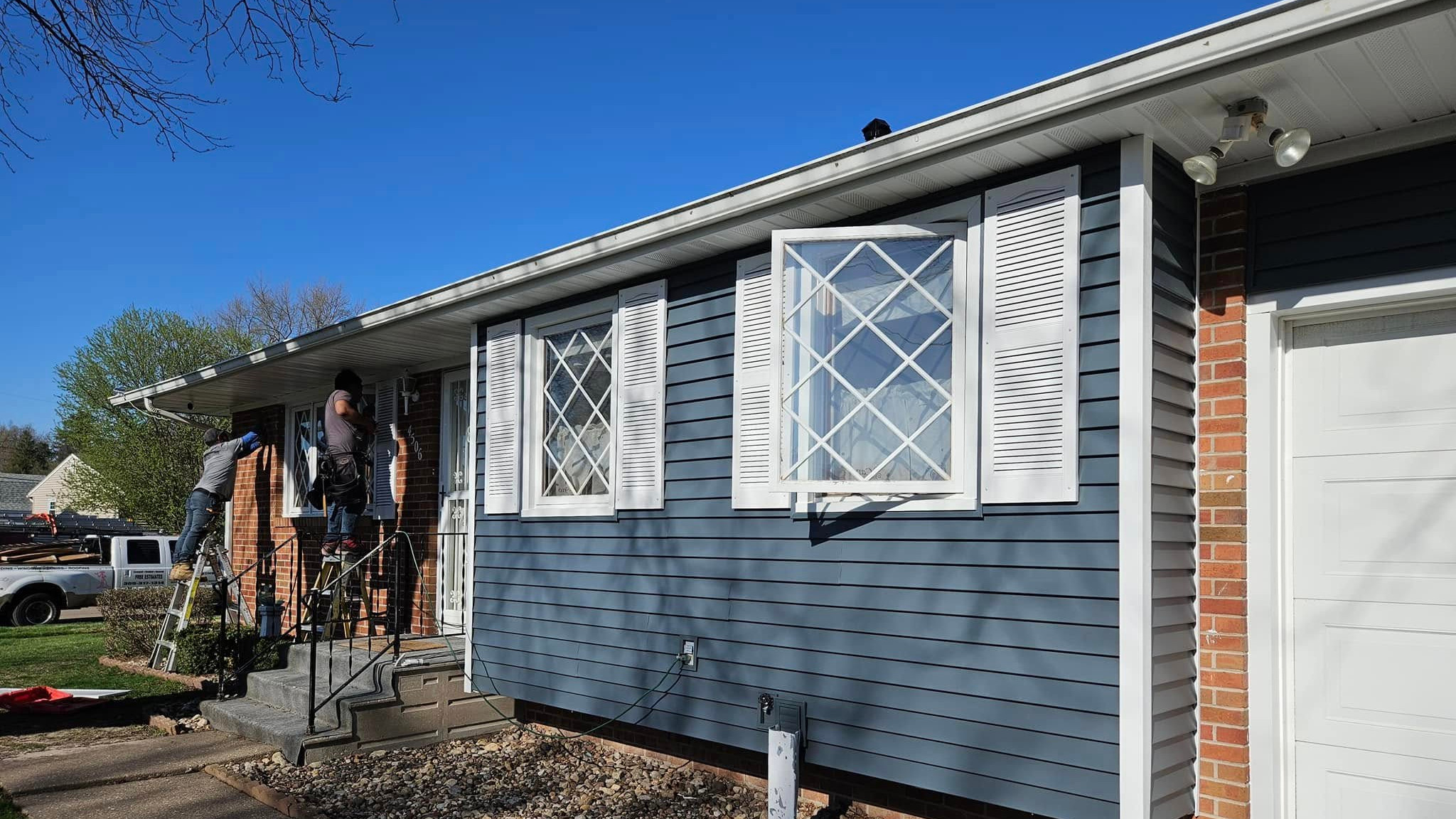
Siding Installation
Does House Wrap Matter Under Vinyl Siding?
Yes—house wrap absolutely matters under vinyl siding. It acts as a secondary weather barrier, helping protect your home from moisture and air infiltration while still allowing the wall to breathe.
Vinyl siding itself is not a watertight system. It sheds most water, but wind-driven rain and moisture can still get behind the panels. House wrap is what manages that moisture and directs it safely away from the structure.
In the Quad Cities, where homes face freezing winters, humid summers, and frequent storms, skipping or poorly installing house wrap can lead to long-term problems with comfort, durability, and even resale value.
What House Wrap Actually Does
- Blocks bulk water from reaching the sheathing.
- Reduces air leakage that can cause drafts.
- Allows trapped moisture vapor to escape.
- Works with flashing and trim to direct water downward and out.
Why It Matters in the Quad Cities Climate
During winter, uncontrolled air leakage can pull heat out of the home and create cold drafts. House wrap helps tighten the building envelope, improving comfort and energy efficiency.
In summer, humidity is the bigger threat. Without a proper weather-resistant barrier, moisture can get trapped behind siding, leading to potential mold, rot, or insulation issues over time.
The combination of heat, cold, and moisture swings in this region makes proper layering behind the siding just as important as the siding itself.
Installation Details That Make or Break It
- Proper overlap and taping of seams to prevent water intrusion.
- Correct integration with window and door flashing.
- Sealing penetrations like vents and fixtures.
- Consistent fastening without tearing or gaps.
Cost vs. Long-Term Value
House wrap is a relatively small part of the total siding project cost—but it plays a major role in long-term performance. Skipping it or installing it poorly might save money upfront, but it increases the risk of expensive repairs later.
From a resale standpoint, buyers and inspectors often look for signs of proper moisture management. A well-installed system adds confidence and perceived value to the home.
The Bottom Line
- House wrap is a critical layer—not an optional upgrade.
- It protects against both water intrusion and air leakage.
- Performance depends heavily on installation quality.
- It directly impacts comfort, durability, and resale value.
Share This Post
Share it on Facebook or X, or send it through your device share sheet for Instagram.