Cracked, warped, loose, or missing vinyl siding can leave your home more vulnerable during winter. Learn nine warning signs to inspect before cold weather, including water stains, rot, drafts, insects, missing fasteners, and higher utility bills.
Cold-Weather Siding Inspection Guide
```9 Signs Your Vinyl Siding Needs Repair Before Winter
Vinyl siding helps shield your home from wind, rain, snow, and changing temperatures. When panels are cracked, loose, warped, or missing, winter weather can place additional stress on the siding and expose weaknesses in the wall system underneath.
```A fall siding inspection gives homeowners an opportunity to address small problems before freezing temperatures, snow, ice, and strong winter winds arrive. Repairs completed early may help reduce water intrusion, heat loss, pest activity, and more extensive damage to the exterior wall.
```Some siding problems are easy to identify from the ground. Others appear as indoor drafts, unexplained utility increases, water stains, or damaged materials near windows and doors. The following nine signs can help you determine when it is time to schedule a professional siding inspection.
```Why Siding Repairs Matter Before Winter
```Vinyl becomes less flexible in cold temperatures. A panel that is already cracked, poorly fastened, or partially detached may be more vulnerable to impact and wind once winter conditions arrive.
Openings in the siding can also allow wind-driven snow and moisture to reach the water-resistive barrier, flashing, and sheathing behind the cladding. Vinyl siding is designed to shed water, but it should work as part of a complete wall system rather than as the only layer protecting the home.
Repairing visible defects before winter makes it easier to inspect the underlying materials and restore damaged panels while weather and jobsite conditions are more manageable.
```Winter Siding Warning Signs at a Glance
```| Warning Sign | What It May Indicate | Recommended Next Step |
|---|---|---|
| Cracks | Impact damage, age-related brittleness, or stress around fasteners and panel locks. | Replace the damaged panel and inspect the wall underneath. |
| Warping | Over-fastening, restricted expansion, heat exposure, or an uneven substrate. | Identify and correct the underlying installation or wall condition. |
| Loose panels | Disengaged locks, fastening problems, or wind damage. | Reconnect or replace the affected panels before winter winds arrive. |
| Water stains | Possible flashing, roof, window, gutter, or drainage-plane problem. | Investigate the moisture source before covering or repainting the area. |
| Drafts or rising bills | Air leakage, damaged insulation, failed seals, or wall-system deficiencies. | Inspect siding together with windows, doors, insulation, and air-sealing details. |
Sign 1
```Cracked Vinyl Siding
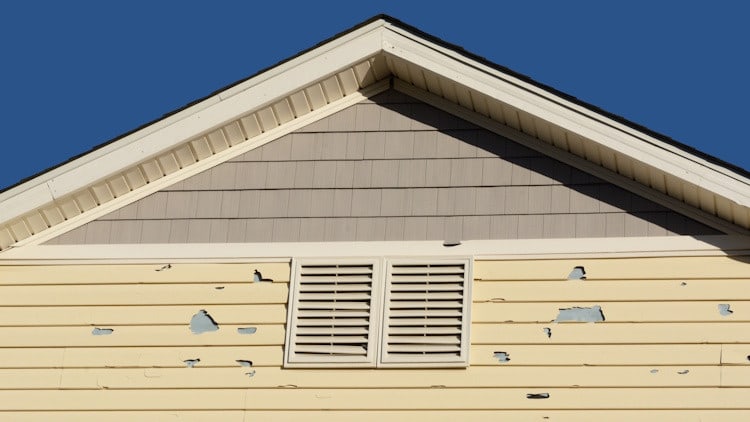
Cracks may begin as small splits caused by hail, flying debris, lawn equipment, ladders, or other impacts. Even a narrow crack can weaken the panel and allow the opening to spread as temperatures change.
Cold weather can make an already damaged panel more vulnerable to further cracking. Moisture may also pass through the opening and reach the drainage materials behind the siding.
A cracked panel generally should be replaced rather than filled with caulk. Surface sealant may conceal the opening temporarily, but it rarely restores the panel’s original strength, lock, or movement.
```Sign 2
```Warped, Buckled, or Wavy Panels
Vinyl siding expands and contracts as outdoor temperatures change. Panels that are fastened too tightly or cut without adequate clearance may buckle when they expand.
Warping may also indicate heat exposure, an uneven wall, damaged sheathing, improper accessory depth, or siding that has been forced tightly between trim channels.
The repair should address the cause—not only the visible wave. Replacing a warped panel without correcting restricted movement or an uneven substrate may allow the problem to return.
```Sign 3
```Loose or Rattling Siding Panels
Siding that rattles, flaps, or shifts noticeably in the wind may have become disconnected from the panel below it. The lock may still be usable, or it may be stretched, cracked, or broken.
Loose panels are particularly important to repair before winter because strong winds can place repeated pressure on the damaged section and the surrounding siding.
If the locking edges remain intact, the panel may be re-engaged with the proper siding tool. Panels with damaged locks normally require replacement.
```Sign 4
```Missing or Improperly Positioned Nails
Vinyl siding is normally installed using designated fastening slots in the panel’s nailing hem. Missing, loose, incorrectly placed, or overdriven fasteners can affect how securely the siding remains attached.
Missing nails may allow a panel to sag or move excessively. Nails driven too tightly can prevent normal expansion and contraction, leading to ripples and buckling.
Fastening problems are often concealed by the course above and may require carefully unlocking the siding to inspect. Any replacement fasteners should meet the siding manufacturer’s current specifications.
```Sign 5
```Water Stains or Damp Areas
Water stains near siding, windows, doors, ceilings, or interior walls may indicate that moisture is moving through or behind the exterior wall system.
The source may be missing flashing, damaged housewrap, a roof-to-wall intersection, failed window installation, clogged gutters, plumbing, condensation, or another condition above the visible stain.
Water can travel along sheathing and framing before it becomes visible. Replacing the nearest siding panel without tracing the moisture path may leave the actual problem unresolved.
```Sign 6
```Rot or Soft Exterior Materials
Vinyl itself does not rot, but the wood trim, sheathing, framing, and other materials behind or beside it can deteriorate when they remain wet.
Soft wood around windows, doors, corners, decks, and roof intersections may indicate a long-term moisture problem. Staining, swelling, crumbling edges, and peeling finishes can also be warning signs.
Damaged materials should be exposed and evaluated before new siding or aluminum capping is installed. Covering rot without repairing the moisture source can allow deterioration to continue unseen.
```Sign 7
```Cold Drafts Near Exterior Walls
Vinyl siding is not the home’s primary air barrier, so a draft does not always mean the visible siding panel has failed. However, drafts near walls, windows, outlets, and trim can point to gaps in the broader exterior assembly.
Loose siding, damaged housewrap, missing insulation, failed window seals, and gaps around penetrations may all contribute to unwanted air movement.
A professional evaluation should consider the siding together with the water-resistive barrier, insulation, windows, doors, electrical penetrations, and interior air-sealing details.
```Sign 8
```Insects Entering Around the Siding
Loose panels, damaged trim, open mounting-block edges, and gaps around utility penetrations can provide access points for insects.
Insect activity may also be associated with damp or deteriorated wood behind the siding. Ants, wasps, beetles, and other pests may take advantage of cavities created by water damage or incomplete exterior details.
The repair should close unintended openings without blocking necessary drainage or ventilation. Sealants, screens, mounting blocks, and trim components should be used according to their intended application.
```Sign 9
```Higher Heating and Utility Bills
A sudden or unexplained increase in heating costs may point to air leakage, insulation deficiencies, inefficient equipment, window or door problems, or changes in weather and energy rates.
Damaged siding alone is rarely the only cause, but it may be one visible sign that the exterior wall system needs closer inspection.
If higher bills occur alongside drafts, water stains, loose siding, or damaged trim, a broader exterior and energy evaluation may help identify areas that need repair.
```Fall Vinyl Siding Inspection Checklist
```- Walk around the entire home after severe weather and before freezing temperatures arrive.
- Look along each wall from the side to identify waves, gaps, and loose panels.
- Inspect siding around windows, doors, corners, decks, and rooflines.
- Check mounting blocks around exterior lights, faucets, vents, outlets, and utilities.
- Look for staining, peeling finishes, soft wood, or damaged caulk.
- Listen for panels that rattle or flap in moderate wind.
- Check interior walls for dampness, drafts, and discoloration.
- Save any detached siding or trim found in the yard.
- Photograph visible problems before temporary or permanent repairs begin.
Repairing Siding During Cold Weather
```Vinyl siding can be repaired during cooler weather, but the material may be less flexible and more vulnerable to cracking during handling.
Cold-weather installation also affects expansion clearances. Replacement panels must be cut and fastened according to the siding manufacturer’s instructions for the temperature at the time of installation.
When possible, completing repairs before the coldest part of winter can provide better working conditions and reduce the chance of additional storm exposure.
```When a Repair Becomes a Replacement Project
```One or two damaged panels can often be replaced. Broader replacement may make more sense when the siding is brittle, extensively warped, repeatedly coming loose, or no longer available in a compatible profile or color.
Replacement May Be Worth Considering When:
- Damage extends across several walls.
- Existing panels crack during normal removal.
- The original siding profile has been discontinued.
- Color fading makes repairs highly visible.
- The wall has recurring moisture or installation problems.
- Repairs are becoming frequent or less cost-effective.
- The homeowner wants to improve comfort, appearance, or exterior performance.
```“Fall is a good time to look closely at siding because small problems are easier to address before winter weather adds wind, snow, ice, and repeated temperature changes. A loose panel or small crack may seem minor, but it can be an early sign that the surrounding siding or wall system needs attention.”
```
Schedule a Pre-Winter Siding Inspection
```If you notice cracks, warping, loose panels, water stains, drafts, insects, or signs of rot, do not wait for winter weather to make the problem more difficult to inspect.
Suburban Construction can inspect your siding, identify damaged panels and trim, check exposed wall materials, and explain whether repair or replacement is the better option.
```Protect Your Home Before Winter
```Small siding problems can become more difficult once freezing temperatures and winter storms arrive. Early repairs can help protect the exterior wall and give you greater confidence before the weather changes.
Schedule a free siding inspection with Suburban Construction today.
```Technical note: Cracks, drafts, stains, insects, and higher utility costs can have several possible causes. This article provides general educational information and does not replace an on-site siding, moisture, pest, insulation, or building-envelope evaluation.
Share This Post
Share it on Facebook or X, or send it through your device share sheet for Instagram.