Can hail damage vinyl siding? Yes. Hail can crack panels, break locking edges, puncture siding, and damage corner posts, soffit, fascia, and gutters. Learn how Quad Cities homeowners in Iowa and Illinois should inspect damage, document the storm, and approach an insurance claim.
Quad Cities Hail Damage and Siding Repair Guide
```Can Hail Damage Vinyl Siding?
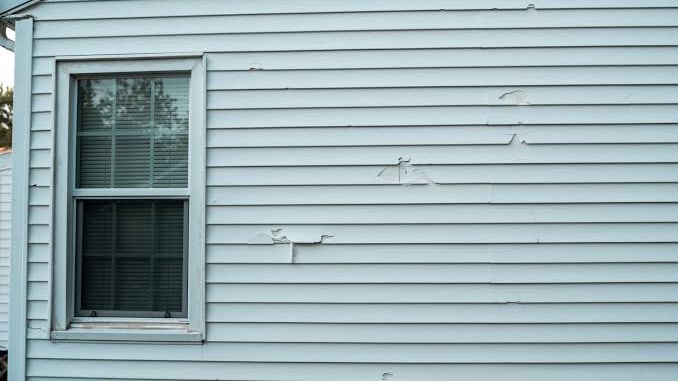
Yes. Vinyl siding is durable and impact-resistant, but sufficiently large, hard, or wind-driven hail can crack panels, break locking edges, create holes, and damage siding accessories. The risk increases when the siding is older, brittle, poorly supported, or already weakened by previous storms or installation problems.
```Hail damage is not always easy to recognize from the ground. A wall may appear normal from a distance while individual panels contain small fractures, chipped edges, broken locks, or impact marks near corners and trim.
```Homes throughout Davenport, Bettendorf, Moline, Rock Island, and surrounding Iowa and Illinois communities can experience hail accompanied by strong winds. Wind changes the direction and force of impact, which means different sides of the same home may sustain very different levels of damage.
```How Hail Damages Vinyl Siding
```Hail can strike the face of a siding panel, the lower locking edge, the nailing hem, or the accessories surrounding the panel. Polymeric exterior industry guidance acknowledges that vinyl siding, like other exterior claddings, can be damaged by hail despite its general impact resistance.
Damage depends on several factors, including the size and density of the hail, wind speed, impact angle, siding temperature, product thickness, wall support, and age of the material.
Cold vinyl is generally less flexible than warm vinyl. An older panel or a panel struck during cooler weather may therefore crack more readily than a newer, properly supported panel under less severe conditions.
```Common Types of Hail Damage
```| Type of Damage | What It May Look Like | Why It Matters |
|---|---|---|
| Cracks | Short horizontal, vertical, or curved fractures extending from the impact point. | Cracks weaken the panel and may spread during temperature changes or future storms. |
| Holes or punctures | A visible opening where the hail penetrated or broke away part of the panel. | Openings expose the materials behind the siding to more direct weather. |
| Chipped lower edges | Missing or fractured pieces along the bottom lock of the panel. | The panel may no longer remain securely connected to the course below it. |
| Dents or impressions | Shallow marks or visible surface distortion without a complete fracture. | The damage may be cosmetic, but the panel should be checked for hidden cracking. |
| Accessory damage | Cracks or dents in corner posts, J-channel, soffit, fascia, shutters, or mounting blocks. | Damaged accessories may expose panel edges or affect drainage and attachment. |
Cracks Are the Most Important Warning Sign
```A hail crack may be small enough to overlook during a quick inspection. Look closely at areas beneath roof edges, near outside corners, around windows, and on the walls that faced the storm.
View the wall from an angle rather than standing directly in front of it. Side lighting can make fractures, dents, and chipped edges easier to see.
Cracked siding should normally be replaced instead of covered with caulk. A surface patch does not restore the strength of the panel or repair a damaged locking edge.
```Can Hail Damage Be Only Cosmetic?
```Some shallow marks may affect appearance without puncturing the panel or damaging its lock. Other impacts create fractures that extend beyond the visible mark.
The distinction matters because insurance policies may treat cosmetic and functional damage differently. Coverage depends on the individual policy, endorsements, exclusions, deductible, and the insurer’s evaluation of the loss.
Homeowners should avoid assuming that every mark is covered—or that damage is merely cosmetic—before the siding has been properly inspected.
```Signs to Check After a Quad Cities Hailstorm
```- Cracks, splits, holes, or chipped siding edges
- Loose panels or open horizontal seams
- Siding pieces or trim fragments in the yard
- Dented aluminum fascia, soffit, gutters, or downspouts
- Damaged window screens, shutters, vents, or mounting blocks
- Marks concentrated on one or two storm-facing elevations
- Exposed housewrap or wall materials
- Water stains that appear after the storm
- Roofing granules collecting near downspout outlets
- Damage to outdoor furniture, vehicles, fencing, or landscaping that confirms hail severity
Why Different Sides of the Home May Look Different
```Hail rarely falls perfectly straight down during a severe storm. Strong wind can drive it toward one elevation while leaving the opposite wall mostly protected.
Overhangs, neighboring buildings, trees, porches, and roof geometry can also shield parts of the exterior. This is why a complete inspection should include every wall, not only the front of the home.
Upper stories, gable ends, exposed corners, and walls facing open fields may sustain more damage than protected lower sections.
```Older Siding May Be More Vulnerable
```Siding that has been exposed to sunlight and seasonal temperature changes for many years may be less flexible than it was when originally installed.
Older panels may also have previous impact damage, stressed locks, improper fasteners, or tight clearances that make them more likely to fracture during a hailstorm.
When the existing material is brittle, removing one damaged panel can sometimes crack the surrounding courses. The contractor should evaluate product condition before promising that a small repair will remain limited to one piece.
```Can One Hail-Damaged Panel Be Replaced?
```Yes. An isolated damaged panel can often be removed and replaced when the surrounding siding remains flexible and a compatible product is available.
The replacement needs to match the existing profile, visible exposure, locking system, texture, thickness, and color. Finding a visual match may be more difficult when the original product has been discontinued or the existing siding has faded.
If several panels or elevations are damaged, a larger repair may produce a more consistent appearance than individual spot replacements.
```What to Do Immediately After a Hailstorm
```- Wait until conditions are safe. Do not inspect the exterior while lightning, high winds, falling branches, or other hazards remain present.
- Photograph the property. Take wide photos of each elevation and close-ups of visible cracks, holes, loose panels, and damaged accessories.
- Record the storm date. Note the approximate time, hail size if known, wind direction, and other damaged property.
- Save detached materials. Siding pieces can help identify the manufacturer, profile, color, and cause of failure.
- Prevent additional damage. Use reasonable temporary protection for exposed openings when it can be done safely.
- Review your insurance policy. Check the deductible, coverage type, exclusions, endorsements, and claim-notification requirements.
- Schedule a professional inspection. Ask the contractor to evaluate siding, trim, flashing, housewrap, roofing, gutters, and other exterior components.
Documentation Checklist for an Insurance Claim
```- Date and approximate time of the storm
- Wide photographs of all four sides of the home
- Close-up photographs of individual damage
- Images of hailstones when safely available
- Photos of damage to roofs, gutters, screens, vehicles, fences, or outdoor property
- Saved siding fragments and damaged accessories
- Temporary-repair receipts
- Contractor inspection reports and estimates
- Communications with the insurer or adjuster
- Original siding records, warranties, invoices, or leftover product samples
Iowa Hail-Damage Insurance Claims
```The Iowa Insurance Division advises homeowners to inspect their property after a hailstorm when conditions are safe, look for damage to siding, roofing, windows, gutters, vehicles, and other property, and document what they find.
Iowa consumer guidance identifies windstorms and hail among the causes of loss commonly addressed under the dwelling portion of a homeowners policy. Coverage still depends on the language of the individual policy and any applicable exclusions, endorsements, limits, or deductibles.
The Iowa Insurance Division also recommends understanding the different roles of contractors, insurance adjusters, and public adjusters during storm repairs. A contractor estimates and performs construction work, while claim decisions remain the responsibility of the insurer under the policy.
Iowa homeowners who cannot resolve a claim concern directly with their insurer can seek consumer assistance or use the complaint process offered by the Iowa Insurance Division.
```Illinois Hail-Damage Insurance Claims
```Illinois homeowners should notify their insurance company promptly, document the condition of the siding and other exterior materials, and make only reasonable temporary repairs needed to prevent additional damage.
Coverage for hail-damaged siding depends on the individual homeowners policy, deductible, endorsements, exclusions, depreciation terms, and whether the damage is considered functional or cosmetic.
Illinois residents who have questions about an insurer, agent, claim, or policy can request assistance or file a consumer complaint through the Illinois Department of Insurance.
Because insurance requirements and policy language can change, homeowners should rely on their current policy documents and direct written communication from their insurer rather than general assumptions about what every Illinois policy covers.
```Replacement Cost vs. Actual Cash Value
```Replacement-cost coverage and actual-cash-value coverage can produce very different claim payments. Replacement-cost coverage generally pays the covered cost to repair or replace damaged property without deducting depreciation, subject to policy terms. Actual-cash-value coverage generally deducts depreciation based on factors such as age and condition.
Some replacement-cost claims are paid in stages. The insurer may initially issue an actual-cash-value payment and release recoverable depreciation after the covered work is completed and documented.
Ask the insurer to explain in writing how depreciation, deductibles, matching concerns, code-related costs, and contractor supplements will be handled under the policy.
```Will Insurance Replace All the Siding?
```Not necessarily. The insurer may approve replacement of only the panels or elevations it determines were physically damaged by a covered event.
Matching becomes more complicated when the original profile or color is discontinued. A physically compatible panel may still look different because the existing siding has faded or weathered.
Whether an insurer will pay to replace undamaged siding for visual consistency depends on the policy language, applicable law, claim facts, available materials, and the insurer’s determination. Ask for the coverage position and supporting policy provisions in writing.
```Your Deductible May Affect the Decision to File
```A small siding repair may cost less than the homeowners policy deductible. A broader storm loss involving siding, roofing, gutters, windows, screens, and other components may be more likely to exceed it.
Before making a claim decision, document the damage, review the deductible, and obtain enough information to understand the likely repair scope.
An insurance agent or company representative can explain policy provisions, but the homeowner should avoid signing a repair agreement that assumes coverage before the insurer has evaluated the claim.
```Avoid Storm-Chaser Pressure
```Major hailstorms often attract out-of-area sales teams. Some companies are legitimate; others use urgency and insurance confusion to pressure homeowners into immediate contracts.
Do not allow a salesperson to represent themselves as your insurance adjuster unless they are properly authorized. Do not sign blank documents, surrender claim control, or accept promises that a contractor will improperly eliminate your deductible.
Verify the contractor’s local address, registration or licensing where required, insurance, references, product experience, written warranty, and service process before authorizing work.
``````“Hail damage to vinyl siding can range from a small crack in one panel to widespread damage across an entire storm-facing wall. A careful inspection should look at the face of the siding, the locking edges, trim accessories, housewrap, and the surrounding exterior. Good documentation also gives the homeowner a clearer picture when discussing repairs with the insurance company.”
```
Repair or Replace After Hail Damage?
```Repair may be practical when damage is limited to a few panels, compatible siding is available, and the surrounding material remains flexible.
Larger replacement may make more sense when several elevations are damaged, the siding is brittle, the original product has been discontinued, color differences would be significant, or the storm exposed broader installation problems.
The contractor should inspect the materials behind damaged panels before closing the wall. Torn housewrap, damaged flashing, wet sheathing, or failed accessories should be corrected as part of the repair.
```Hail-Damage Inspections Across the Quad Cities
```Suburban Construction serves homeowners in Davenport, Bettendorf, Moline, Rock Island, and surrounding Iowa and Illinois communities.
A professional exterior inspection can help identify siding cracks, broken locks, damaged trim, exposed wall materials, roofing concerns, and related storm damage that may not be visible from the ground.
Keep all claim decisions between you and your insurer. A contractor can document damage, identify products, prepare an estimate, and complete approved repairs, but should not misrepresent insurance coverage or guarantee a claim outcome.
```Schedule a Free Hail-Damage Inspection
```Hail cracks can be small, but damaged panels may weaken over time and become more vulnerable to wind, moisture, and future storms.
Schedule a free siding and exterior inspection with Suburban Construction today.
```Standards and Consumer References
```- Iowa Insurance Division, Consumer Connection: Hail Claims.
- Iowa Insurance Division, Understanding Your Homeowners Policy.
- Iowa Insurance Division, Contractors, Public Adjusters, and Insurance Claims.
- Illinois Department of Insurance, Consumer Assistance and Insurance Complaint Resources.
- National Association of Insurance Commissioners, Replacement Cost and Actual Cash Value After a Storm.
- Polymeric Exterior Products Association, Vinyl Siding Performance and Hail-Damage Information.
- Current homeowners policy documents, endorsements, exclusions, claim procedures, and written coverage decisions supplied by the applicable insurance company.
Insurance note: Coverage varies by policy, insurer, state, cause of loss, deductible, endorsements, exclusions, depreciation terms, matching provisions, and claim facts. This article provides general educational information and is not legal, insurance, or claim-adjusting advice. Contact your insurer, licensed insurance professional, or state insurance department for guidance about a specific claim.
```Share This Post
Share it on Facebook or X, or send it through your device share sheet for Instagram.