Vinyl siding doesn’t cause moisture problems—but poor installation can. Learn how Quad Cities homes manage humidity, drainage, and long-term durability.
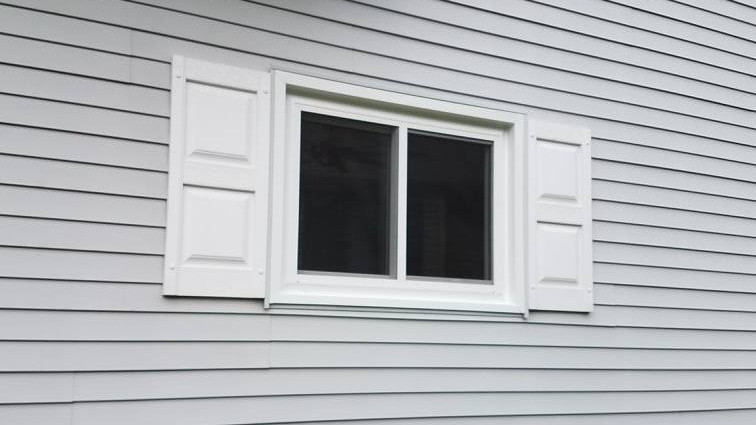
Siding & Moisture Control
Can Vinyl Siding Cause Moisture Problems Behind the Walls?
By Darin Wilson
Vinyl siding itself does not cause moisture problems—but poor installation or missing components behind it absolutely can.
Vinyl siding is designed as a rain screen, not a waterproof barrier. According to guidance from the Vinyl Siding Institute, siding systems are intended to shed most water while allowing any moisture that gets behind the panels to drain and dry properly.
Problems happen when that system breaks down—usually due to missing house wrap, improper flashing, or poor sealing around windows and penetrations.
When Moisture Problems Can Occur
- No house wrap or weather-resistant barrier behind the siding.
- Improper flashing around windows, doors, or trim.
- Panels nailed too tightly, preventing proper drainage and movement.
- Gaps or poorly sealed penetrations (lights, vents, fixtures).
Why This Matters in the Quad Cities
In the Quad Cities, homes deal with both freezing winters and hot, humid summers. That combination puts constant stress on exterior systems.
In winter, warm indoor air can move outward and condense if the wall system isn’t properly sealed. In summer, humid outdoor air can work its way inward—especially if there are gaps behind the siding.
Without proper moisture management, this can lead to hidden issues like mold, rot, or reduced insulation performance—all of which affect comfort and long-term durability.
What a Proper System Looks Like
- Continuous house wrap or weather barrier installed correctly.
- Properly integrated flashing at all openings.
- Correct fastening that allows siding to expand and contract.
- Drainage paths that let water escape safely.
Cost, Comfort, and Resale Impact
Cutting corners on moisture control might not show up right away—but it often leads to costly repairs later. Hidden moisture damage can affect framing, insulation, and indoor air quality.
From a comfort standpoint, moisture problems often show up as drafts, inconsistent temperatures, or that “damp” feeling during humid months.
From a resale perspective, buyers and inspectors pay close attention to exterior condition and moisture management. A properly installed siding system adds confidence and long-term value.
Local Expertise Matters
That’s why many homeowners in the Quad Cities turn to experienced professionals like JR Girskis and Darin Wilson.
Their experience goes beyond surface-level installation—they focus on how the entire wall system performs over time, from moisture control and sealing to energy efficiency and durability.
By addressing the details behind the siding—not just the siding itself—they help homeowners avoid costly issues and get better long-term results.
The Bottom Line
- Vinyl siding doesn’t cause moisture problems—but poor installation can.
- It’s designed to shed water, not act as a waterproof barrier.
- House wrap, flashing, and proper fastening are critical.
- Moisture control directly impacts comfort, durability, and resale value.
Share This Post
Share it on Facebook or X, or send it through your device share sheet for Instagram.