Iowa wind can loosen vinyl siding, tear away panels, and damage the locking edges that hold the siding together. Learn when loose siding can be repaired, how missing panels are replaced, what temporary steps may protect your home, and when full siding replacement may be the better option.
Iowa Storm Damage & Siding Repair Guide
```How to Repair Vinyl Siding After Iowa Wind Damage
Strong Iowa winds can loosen vinyl siding, tear panels away from a home, and damage the locking edges that hold each course together. If you need vinyl siding repair in Bettendorf, IA, addressing the damage quickly can help protect the wall beneath the siding and prevent a relatively small repair from becoming a much larger problem.
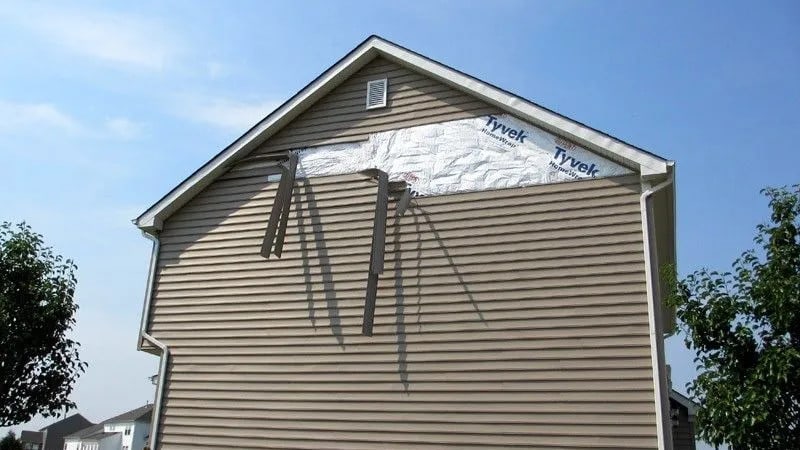
```After a severe thunderstorm, straight-line wind event, or tornado-producing storm, siding damage is not always immediately obvious. A panel may remain partially attached while the lower locking edge has separated. Other panels may shift, crack, or disappear completely from the side of the home.
```A careful exterior inspection can help identify where the siding system has been weakened. The repair should address both the visible damage and the reason the panel came loose in the first place.
```Why Wind Damage Should Be Repaired Promptly
```Vinyl siding is designed to shed rain and protect the exterior wall from direct weather exposure. When a panel becomes loose or goes missing, the water-resistive barrier, flashing, fasteners, and sheathing behind the siding may become more exposed to wind-driven rain.
Damage can also spread. A loose panel may continue to move during every gust, placing additional pressure on the surrounding siding and increasing the chance that another section will detach.
```Signs Your Vinyl Siding Has Wind Damage
```Walk around the home after the storm has passed and conditions are safe. View each wall from several angles because loose panels and open seams may be easier to see when sunlight hits them from the side.
- Siding panels that flap, rattle, or move in the wind
- Open horizontal seams between siding courses
- Panels that appear bowed, uneven, or partially detached
- Missing siding panels or exposed wall sections
- Cracked lower locking edges
- Loose siding around windows, doors, corners, and rooflines
- Pieces of siding or trim found in the yard
- Water stains or damp areas near damaged exterior walls
Common Types of Wind-Damaged Vinyl Siding
```| Type of Damage | What It Looks Like | Typical Solution |
|---|---|---|
| Loose siding | A panel remains on the wall but has separated from the course below it. | Reconnect the lock if undamaged or replace the panel if the locking edge has failed. |
| Missing panel | A complete section of siding has blown away from the house. | Inspect the exposed wall and install a matching replacement panel. |
| Broken locking tab | The lower edge of the panel is cracked, stretched, or unable to remain attached. | Replace the damaged panel rather than repeatedly reconnecting it. |
| Widespread damage | Multiple walls have loose, cracked, missing, or mismatched panels. | Compare the cost and long-term value of repair versus siding replacement. |
Repairing Loose Vinyl Siding
```Loose siding is one of the most common forms of wind damage. In many cases, the upper panel remains fastened to the wall while the bottom edge separates from the locking strip on the panel beneath it.
If the locking edges are still intact, the panel may be carefully reconnected using a siding unlocking tool. The panel should sit flat while still having enough room to expand and contract with temperature changes.
A panel that repeatedly comes loose may have a damaged lock, improper fastening, or an installation issue that should be corrected rather than temporarily pushed back into place.
```Avoid Face-Nailing the Panel
```Driving screws or nails directly through the visible face of vinyl siding may hold it temporarily, but it can restrict panel movement, create an unattractive repair, and leave a new opening for moisture.
Permanent repairs should use the siding's original fastening slots and locking system whenever possible.
```Replacing Missing Siding Panels
```A missing panel leaves part of the wall assembly exposed. Before a new section of siding is installed, the area should be inspected for damaged housewrap, flashing, sheathing, trim, and fasteners.
The replacement panel should match the existing siding's manufacturer, profile, exposure, texture, and color as closely as possible. Siding colors can fade over time, so even the correct original color may appear slightly different when a new panel is placed beside older material.
When an exact match is unavailable, a contractor may be able to move an existing panel from a less visible part of the home and install the closest available replacement in that area.
```Broken Locking Tabs and Damaged Panel Edges
```Each vinyl siding panel has a locking edge that connects it to the course below. This lock helps keep the wall uniform while allowing the material to move naturally as temperatures change.
Strong wind, flying debris, improper installation, or age-related brittleness can crack or stretch the locking edge. Once that connection is damaged, the panel may not remain secure during future storms.
A broken locking tab generally means the affected panel should be replaced. Repeatedly snapping a damaged lock back into place is unlikely to provide a dependable long-term repair.
```Temporary Repairs After an Iowa Storm
```A temporary repair may be necessary when storms are widespread and permanent repairs cannot be completed immediately. The goal is to reduce further weather exposure without creating additional damage.
- Photograph the damage first. Take clear pictures of each affected wall, missing panel, loose section, and any siding found on the ground.
- Save detached siding. Do not throw away panels or trim pieces. They may help identify the manufacturer, profile, and color.
- Protect exposed wall materials. Open areas may require temporary weather protection until permanent repairs can be completed.
- Keep loose pieces from becoming airborne. Detached material should be safely removed from the yard or secured when conditions allow.
- Avoid unsafe ladder work. Wet surfaces, high winds, roof edges, and damaged electrical components can create serious hazards.
- Schedule an inspection. Temporary covering should not be treated as a permanent siding repair.
Check for Hidden Damage Behind the Siding
```Wind damage can affect more than the visible panel. When siding is removed or missing, the contractor should inspect the materials underneath before closing the wall.
- Water-resistive barrier or housewrap
- Window and door flashing
- Exterior sheathing
- Starter strip and fasteners
- Corner posts and J-channel
- Mounting blocks around lights, vents, outlets, and faucets
- Roof-to-wall and gutter transitions
Correcting damaged flashing or housewrap before reinstalling the siding can help prevent concealed moisture problems later.
```When a Siding Repair Becomes a Replacement Project
```A few isolated damaged panels can often be repaired. Replacement may become the better option when the damage is widespread or the existing siding can no longer be matched reliably.
Replacement May Be Recommended When:
- Large sections of siding are loose or missing
- Multiple walls were damaged by wind or flying debris
- The original siding has been discontinued
- Existing panels have become brittle or cracked
- Color fading makes spot repairs highly visible
- The siding was originally installed incorrectly
- Repeated repairs are no longer cost-effective
- Water has damaged the wall behind the siding
- The homeowner wants to improve the entire exterior appearance
Repair Versus Replacement
```| Repair May Make Sense | Replacement May Make Sense |
|---|---|
| Damage is limited to a few panels. | Damage affects large sections or several walls. |
| Matching siding is readily available. | The original profile or color is discontinued. |
| The existing siding remains flexible and secure. | Existing panels are brittle, faded, or repeatedly coming loose. |
| The wall beneath the damaged area remains sound. | Hidden water damage or installation defects require broader repairs. |
Why Professional Siding Repair Matters
```Vinyl siding must be secured firmly enough to resist wind while remaining loose enough to expand and contract. Panels that are nailed too tightly may buckle, while panels that are fastened incorrectly may become vulnerable during the next storm.
An experienced siding professional can identify the panel profile, inspect the locking system, evaluate the fastening pattern, review the surrounding trim, and determine whether the exposed wall needs additional repair.
A professional inspection is especially valuable when damage is located high on the home, near electrical service equipment, around windows and doors, or where the roof meets the siding.
```Vinyl Siding Repair in Bettendorf, IA
```Homes in Bettendorf and throughout the Quad Cities can experience powerful thunderstorms, hail, straight-line winds, and rapidly changing weather. Even when damage appears minor from the ground, loose siding should be inspected before the next round of severe weather.
Suburban Construction provides professional siding inspections, repairs, and replacement options for homeowners in Bettendorf, Davenport, Eldridge, LeClaire, and surrounding eastern Iowa communities.
```Schedule a Free Siding Inspection
```If your siding came loose after a storm, don't wait. Small openings allow water behind the siding and can lead to expensive structural damage.
Schedule a free siding inspection with Suburban Construction today.
```Technical note: Siding conditions and repair requirements vary according to the product, age, installation method, wall construction, storm exposure, and underlying damage. This article provides general educational information and does not replace an on-site inspection or the current installation instructions for the specific siding product.
Share This Post
Share it on Facebook or X, or send it through your device share sheet for Instagram.